
Learn the key dog choking symptoms and common causes in this comprehensive guide. Identify the signs of choking in dogs early to take immediate action and protect your pet.
Dog Choking Symptoms & Common Causes: A Complete Guide for Pet Owners
Table of Contents
- Introduction
- What are the Dog Choking Symptoms?
- Common Causes of Dog Choking
- 3.1 Food-Related Causes
- 3.2 Non-Food-Related Causes
- How to Recognize Dog Choking Symptoms
- 4.1 Immediate Signs to Look For
- 4.2 Long-Term Effects of Choking
- What to Do If Your Dog is Choking
- 5.1 First Aid for Choking Dogs
- 5.2 When to Seek Veterinary Help
- Prevention Tips for Dog Choking
- Conclusion
- For More Pet-Related Articles & Recipes
Introduction
Choking is one of the most frightening emergencies a dog owner can face. When a dog starts choking, every second counts. Whether it’s a small piece of food or a foreign object, recognizing the dog choking symptoms early is crucial for immediate intervention. This guide will walk you through the dog choking symptoms and common causes of choking, helping you understand how to act swiftly and keep your pet safe.
Choking in dogs can happen unexpectedly, but being prepared can make a life-saving difference. In this article, we will cover common causes of choking, how to identify symptoms, and what to do if your dog is in distress. By the end, you’ll know how to recognize the signs and prevent future incidents.
What Are the Dog Choking Symptoms?
Dog choking symptoms can vary depending on the severity of the obstruction. Choking is often caused by a foreign object stuck in the dog’s throat, a piece of food, or even an allergic reaction that results in swelling. Here are some common dog choking symptoms to watch for:
- Gasping for Air: Dogs that are choking may struggle to breathe, gasping or wheezing in an attempt to inhale air.
- Pawing at the Mouth: Dogs may paw at their mouths in an attempt to dislodge the object causing the choking.
- Vomiting or Gagging: This is often a sign that the dog is trying to clear the obstruction in the throat.
- Excessive Drooling: Choking can lead to an increased amount of saliva production.
- Change in Barking: A choking dog might be unable to bark or may produce a strange, hoarse sound.
- Distress or Panic: A choking dog may appear visibly anxious or agitated as it struggles to breathe.
It’s essential to act immediately if you notice any of these dog choking symptoms. If left unchecked, choking can lead to severe injury or even death.
Common Causes of Dog Choking
Several factors can lead to choking in dogs. Understanding the common causes of dog choking can help you prevent these incidents from happening.
3.1 Food-Related Causes
Food-related choking is one of the most frequent causes of choking in dogs. Here are some typical food-related causes:
- Large Pieces of Food: If a dog eats too quickly or swallows large pieces of food, it may not be able to chew properly, leading to a choking hazard.
- Bones: Cooked bones can splinter and become lodged in a dog’s throat. Never give dogs cooked bones, as they pose a serious choking risk.
- Hard Treats: Some hard dog treats, such as large marrow bones or antlers, can also be a choking hazard if the dog tries to swallow them too quickly.
3.2 Non-Food-Related Causes
In addition to food, several non-food-related items can cause choking in dogs, such as:
- Toys: Small toys or parts of toys, especially those that are easily chewed into smaller pieces, can pose a choking risk.
- Sticks and Stones: If dogs are allowed to roam in the yard, they may pick up sticks or stones and attempt to swallow them, leading to choking.
- Clothing or Fabric: Dogs who chew on clothing, socks, or other fabric items can accidentally ingest small pieces that cause choking.
How to Recognize Dog Choking Symptoms
Recognizing dog choking symptoms quickly is key to helping your pet. While some signs are more obvious, others may develop gradually. Here’s a breakdown of how to recognize when your dog is choking.
4.1 Immediate Signs to Look For
- Sudden Gasping or Gurgling: If your dog suddenly starts gasping, gurgling, or struggling to breathe, it may be choking.
- Difficulty Swallowing: A dog that is choking might have difficulty swallowing or appear unable to swallow at all.
- Collapsing or Weakness: If the obstruction is severe, the dog might collapse or show signs of weakness due to a lack of oxygen.
4.2 Long-Term Effects of Choking
If not treated immediately, choking can lead to long-term damage, such as:
- Trauma to the Airway: The object causing the choking can injure the dog’s airway, leading to swelling or even permanent damage.
- Infections: If foreign materials remain lodged in the throat, it can cause infection, requiring veterinary treatment.
- Loss of Consciousness: In extreme cases, lack of oxygen can cause the dog to lose consciousness or even die.
What to Do If Your Dog is Choking
If your dog is choking, it’s essential to stay calm and act quickly. Here’s what to do if you spot the dog choking symptoms:
5.1 First Aid for Choking Dogs
- Check the Mouth: Open the dog’s mouth carefully and look for any visible obstruction. If you can see the object, try to remove it gently with your fingers (only if it’s easily reachable).
- Heimlich Maneuver: If you can’t remove the object, you may need to perform the Heimlich maneuver. This involves applying pressure to the dog’s abdomen, similar to how it’s performed on humans, to help expel the object.
- Place the dog on its side.
- Wrap your arms around the dog’s belly, just behind the ribs.
- Push upwards and forwards to apply pressure to the abdomen, dislodging the object.
- CPR: If your dog is unconscious and you can’t clear the obstruction, start CPR immediately while waiting for emergency help.
5.2 When to Seek Veterinary Help
Even if you successfully clear the obstruction, it’s still essential to take your dog to the vet for a thorough checkup. Some objects can cause internal damage that may not be immediately visible. In addition, repeated choking episodes can be a sign of an underlying health issue that needs to be addressed.
Prevention Tips for Dog Choking
Preventing choking in the first place is always better than dealing with the aftermath. Here are some tips to minimize the risk of choking:
- Avoid Small Toys: Ensure that your dog’s toys are large enough to prevent accidental swallowing.
- Slow Down Feeding: Consider using a slow feeder bowl if your dog tends to eat too quickly, which can lead to choking.
- Monitor Playtime: Always supervise your dog when playing with toys, especially if they are small enough to be swallowed.
- Choose Appropriate Treats: Opt for softer, easily digestible treats and avoid giving your dog cooked bones or large food items that can get stuck.
Conclusion
Choking is a terrifying and dangerous situation for both dogs and their owners. By recognizing the dog choking symptoms and understanding the common causes of dog choking, you can take quick action to help your dog in an emergency. Always keep your dog’s environment safe, and be aware of potential hazards that could lead to choking. If you ever suspect that your dog is choking, don’t hesitate to seek veterinary help immediately.
Humans Heartbroken To See A Tiny, Crying Pup Lying Helplessly Under A Tree In The Grass
We all know that dogs can only be happy if they have their own family who gives them unconditional love.
However, for many dogs, having loving pawrents is nothing but a dream — a dream that they would like to fulfill with all their heart.
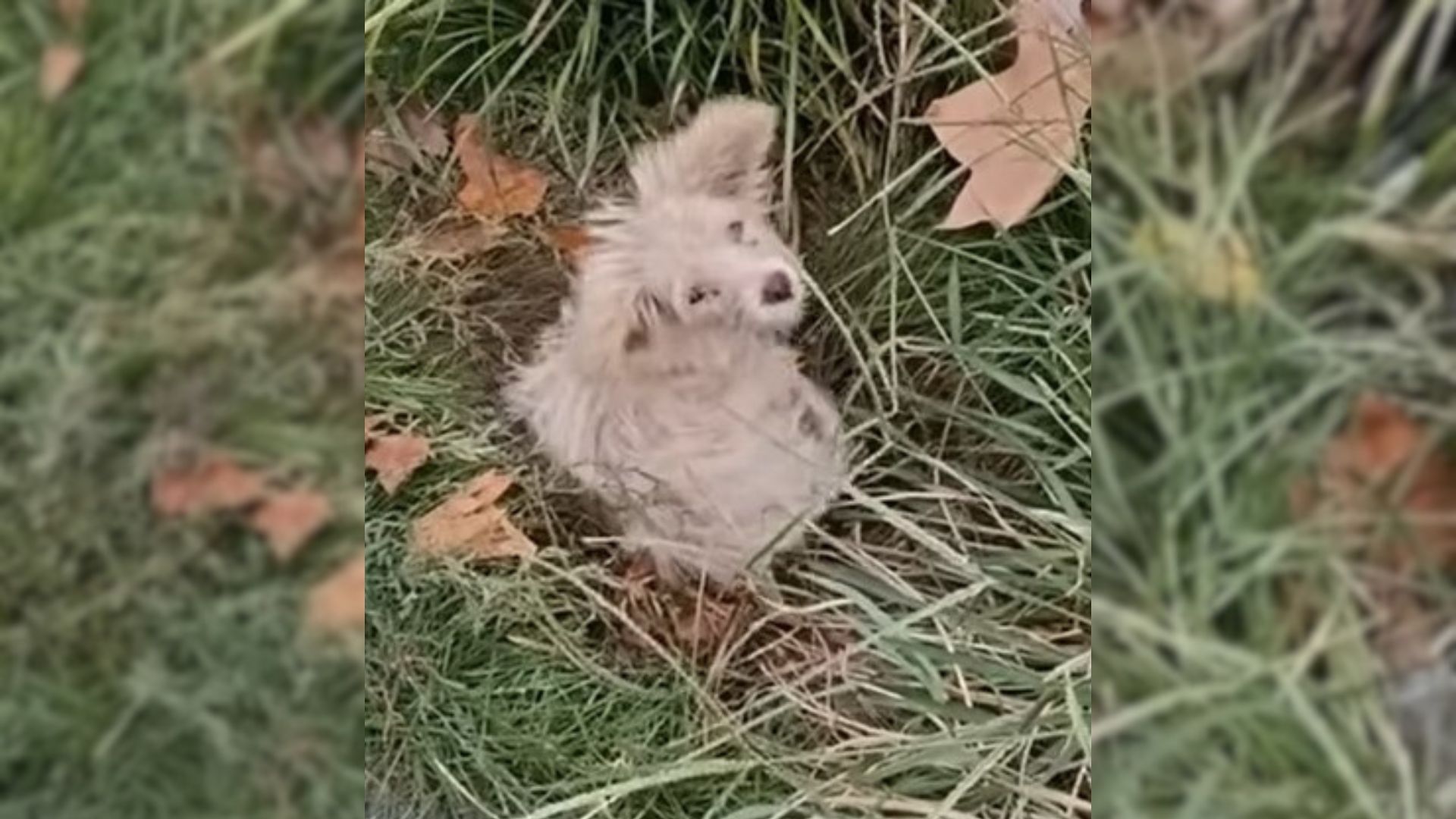
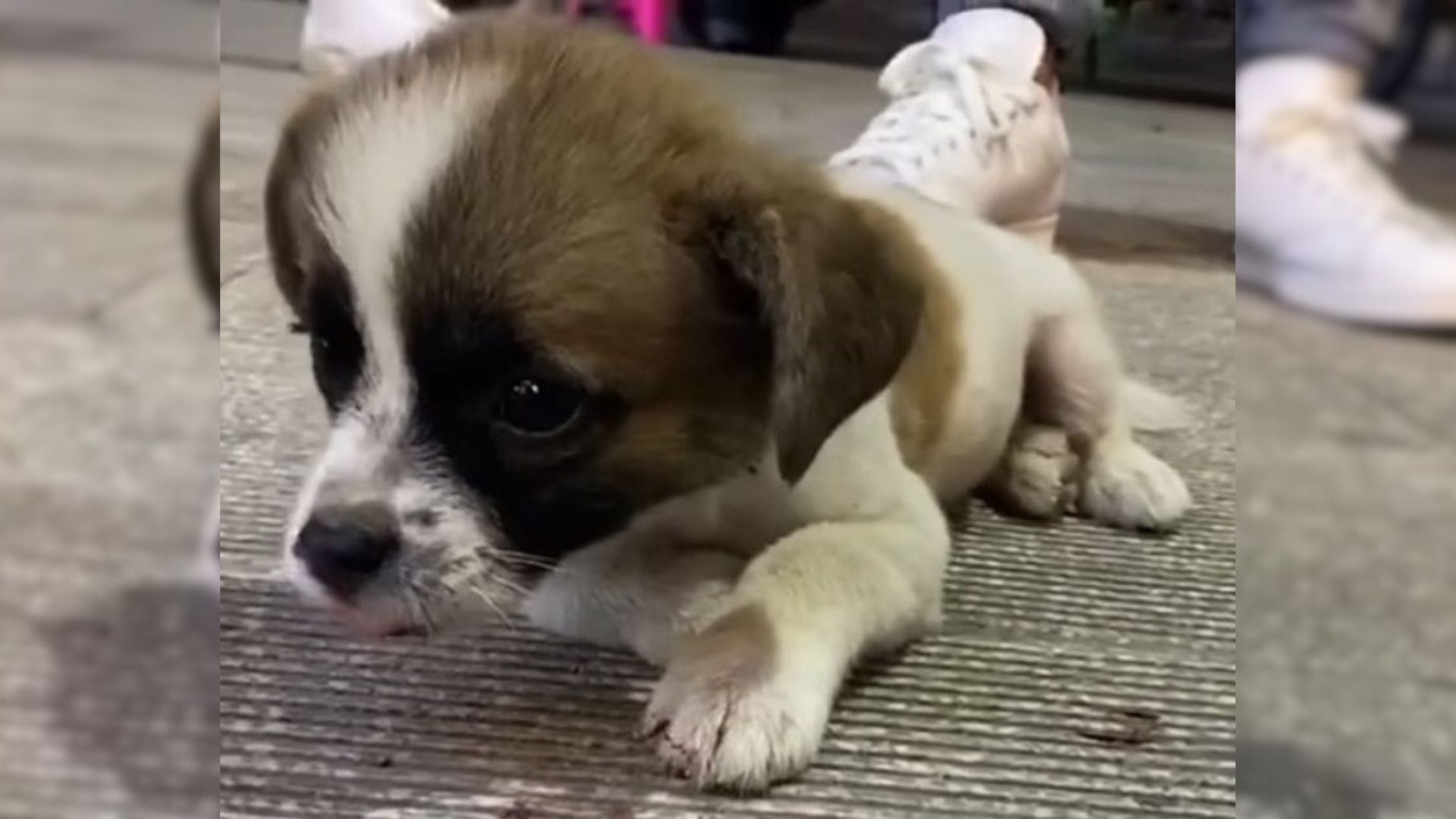
A little skinny puppy who was lying in the grass once had that same dream.
Sadly, he didn’t receive the kindness and love of humans, and he lost all hope of ever finding happiness.
The pooch had no strength left in his weak body. He cried and curled up into a ball under a tree in a park, feeling unloved and ignored.
Helping The Little Puppy
Source: Rescue Mission HT
When the kind people found him lying helplessly in the grass, they felt saddened and worried for him.
The fur baby was sick. He lost most of his fur, and his body was covered in wounds and crusts.
The giant-hearted humans knew they had to save him. They approached the puppy, sat next to him, and gently woke him up.
When the little canine opened his tearful eyes, his rescuers realized how lonely and hopeless the pup felt.
The Pooch Feels That He Is No Longer Alone
Source: Rescue Mission HT
His rescuers immediately took him home to nurse him back to health. They removed the fur from his body and gave him a nice soothing bath.
The puppy started receiving the necessary medicine.
His heroes were by his side, showering him with a lot of love and offering him all their support.
The sweet pup started wagging his little tail as if he wanted to show them how much he appreciated their help.
Source: Rescue Mission HT
The little pup rested his head in his rescuers’ hands. He trusted them, and he felt that he finally had someone who cared for him. He was no longer alone in the world.
Twelve days later, the pup’s wounds had almost healed, and new fur started growing.
His caregivers were glad to see that he regained energy and that he was able to jump and run.
His beautiful eyes didn’t look sad anymore. They were now filled with joy, and the dog had a smile on his face.
His caretakers made sure the pooch had everything he needed. They bought him a bed and all the necessary things. The pup had his own space in their house.
Source: Rescue Mission HT
After seeing how loving and caring his rescuers were, the pooch felt grateful, and his face lit up.
Since the puppy was still malnourished, he needed to gain weight in order to fully recover.
He began eating five nutritious meals a day, and soon, his health began improving.
The precious boi felt so much better, and he couldn’t stop smiling.
The Pup Makes A Complete Recovery
Source: Rescue Mission HT
Two months later, the puppy’s dermatitis was cured. His new fur was beautiful and long.
The pup was no longer skinny. Thanks to the wonderful care and the nutritious food he ate, he reached his healthy weight.
The pup blossomed into a handsome and happy dog.
His caregivers fell deeply in love with him and they couldn’t imagine their life without him in it.
Source: Rescue Mission HT
He brought so much happiness into their home.
The pup enjoyed his life. His family often took him for walks. He relished playing with them and running freely in the yard, feeling carefree and overjoyed.
His dream of finding his happy ending came true.
Be the first to comment on this article!