

















Tiny Explorers in Kruger
In the heart of Kruger National Park, along the S25 safari-goer David Leyland captured a heartwarming moment that offers a rare glimpse into the early adventures of lion cubs.
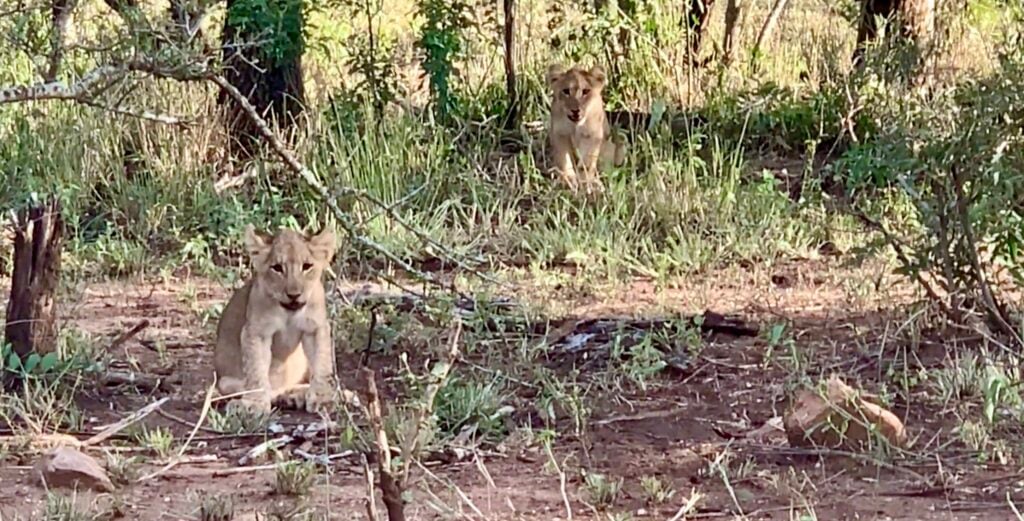
David’s video begins with two tiny, panting cubs emerging from the shade of the forest. Their fur appears dusted with dirt, and their steps are clumsy yet determined; both signs of youthful curiosity and courage.
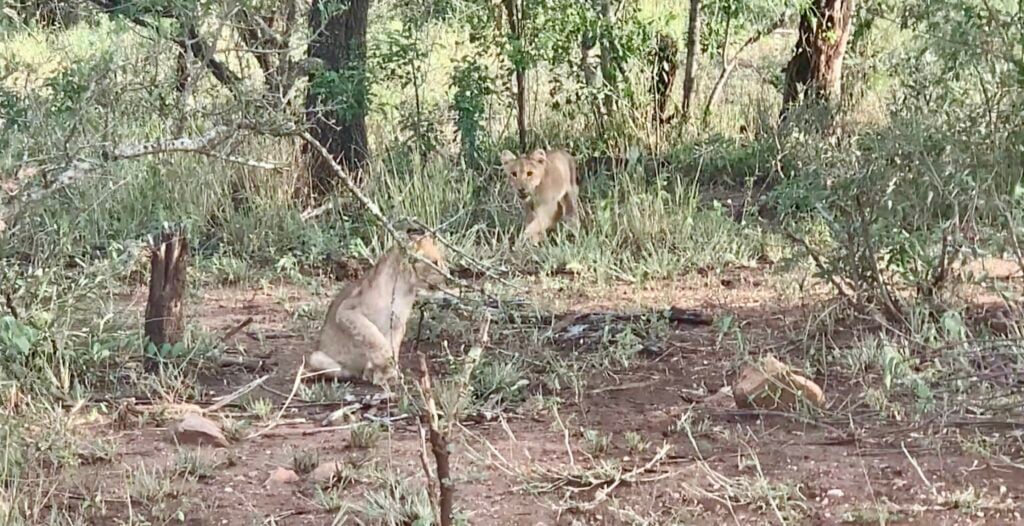
They chirp softly to each other as they trot through the grass, tiny tails flicking adorably behind them. While it seems they’ve only wandered a few meters away, every exploration is a brave expedition into the unknown for cubs this young.
The Power of Play and Exploration
In lion society, play and small “adventures” like this are vital learning tools. As cubs begin to move independently, they develop essential coordination, balance, and awareness of their surroundings.
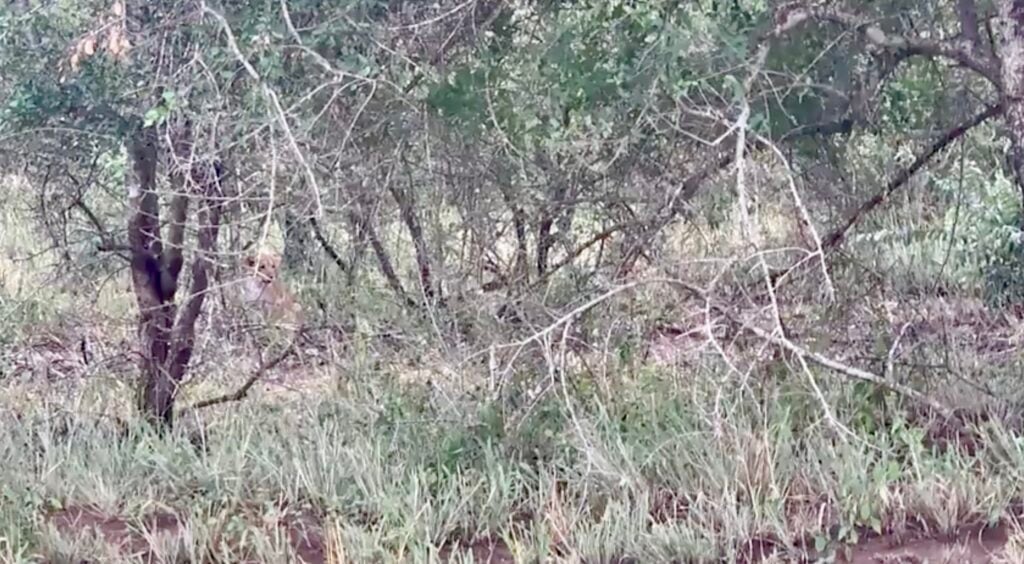
Cubs typically begin leaving the safety of their mothers’ side at around six to eight weeks old, under careful supervision. The females often keep a watchful eye, allowing the young ones to explore while remaining close enough to intervene at any sign of danger.
Each adventure builds their confidence and prepares them for the challenges of adulthood. From practicing hunting techniques to reading social cues within the pride, play is critical to shape a cub’s growth.
A Reunion Full of Love
As the two cubs make their way back to the safety of the adults, their tiny chirps and mews fill the air and serve as a greeting. These sounds are a critical part of lion communication, helping to maintain social bonds.
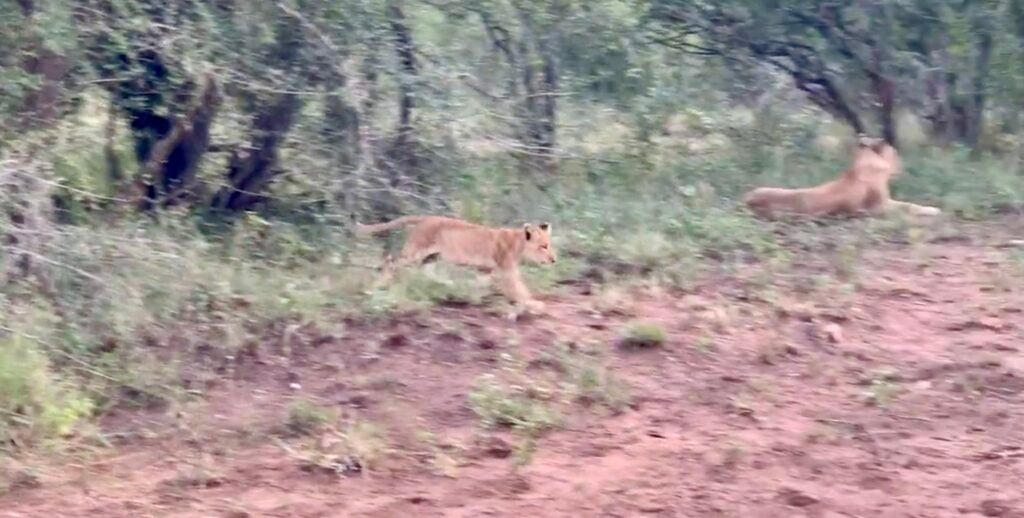
Additionally, mothers are able to recognize their offspring’s distinct calls, adding another heartwarming layer to the greetings of their cubs. When they finally reach the resting females of the pride, they are met with a display of affection that can only be described as beautiful.
Get our Best Sightings as they Come in

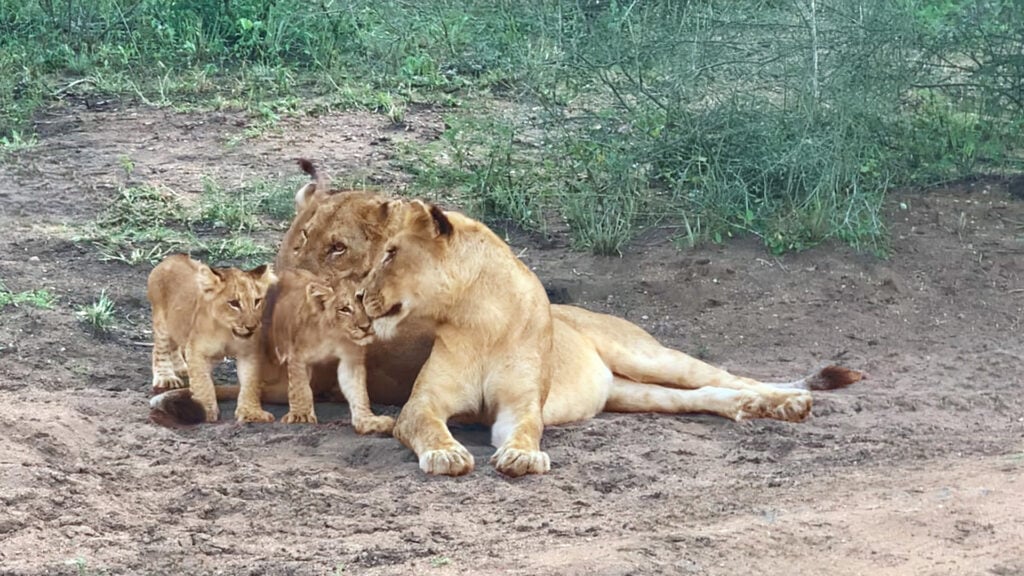
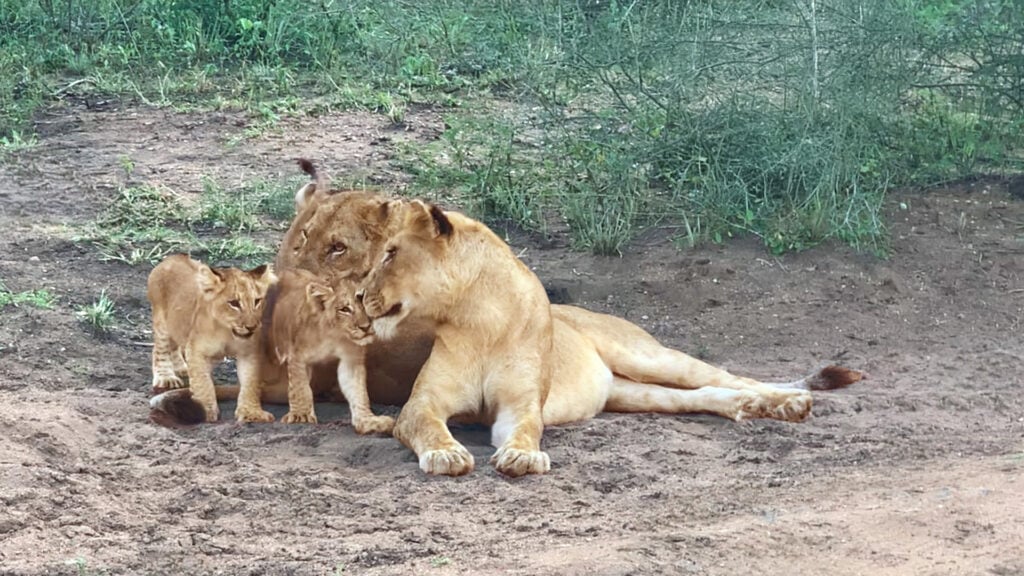
The lionesses greet them with deep purrs, gentle nuzzles, and tender licks. This physical closeness reinforces the strong familial and social bonds that hold prides together.
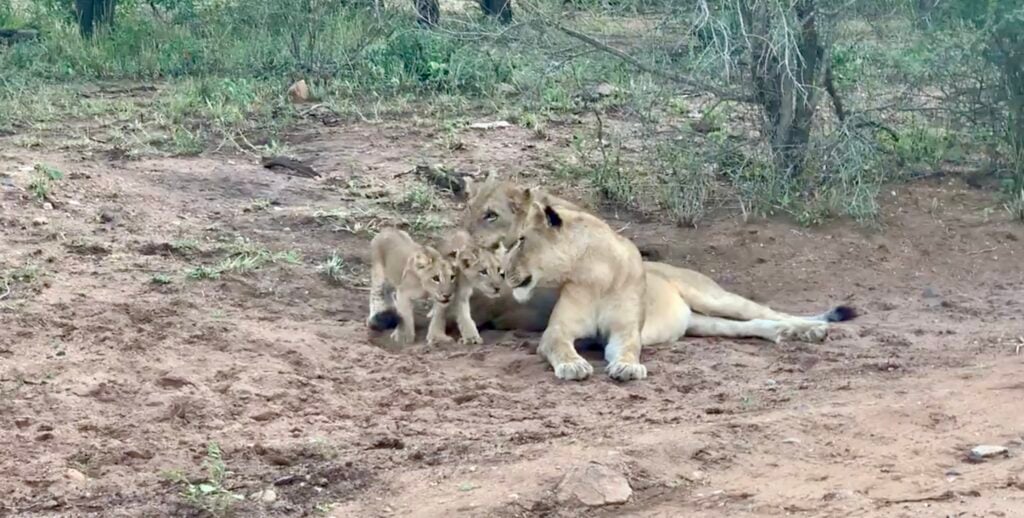
One of the most touching aspects of lion behaviour is how all the females in a pride share in cub care, a system known as allomothering. Even lionesses that aren’t the biological mothers will groom, protect, and nurse cubs, creating a true sense of community.
A Glimpse Into Pride Life
These brief interactions might seem ordinary, but they reveal the complex emotional and social elements of lion society. Each nuzzle, chirp, and purr strengthens relationships within the pride, ensuring cooperation when it’s time to hunt, defend territory, or raise the next generation.
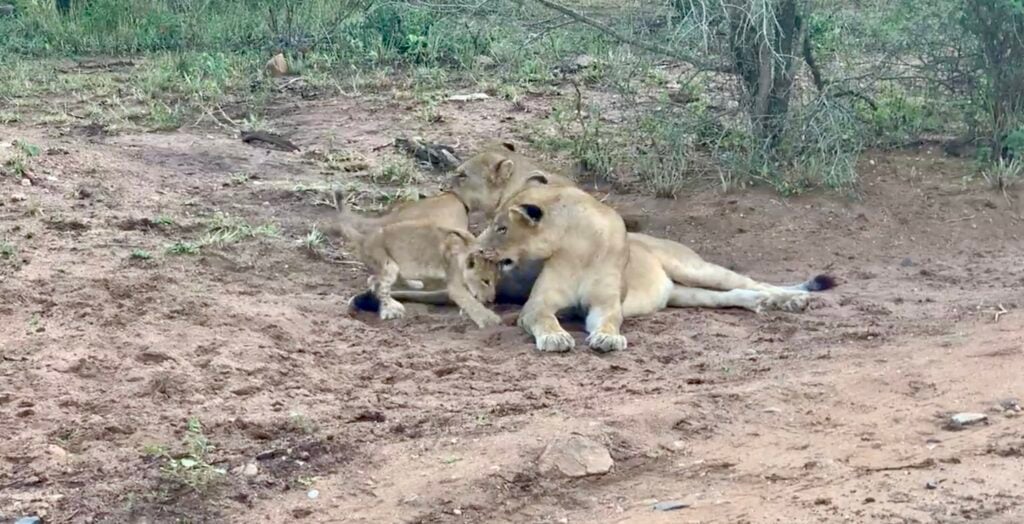
In the wild, every moment is a lesson. For these two cubs, a short adventure led to a warm and loving reunion, a perfect reflection of how lions balance fierce independence with deep family connection.
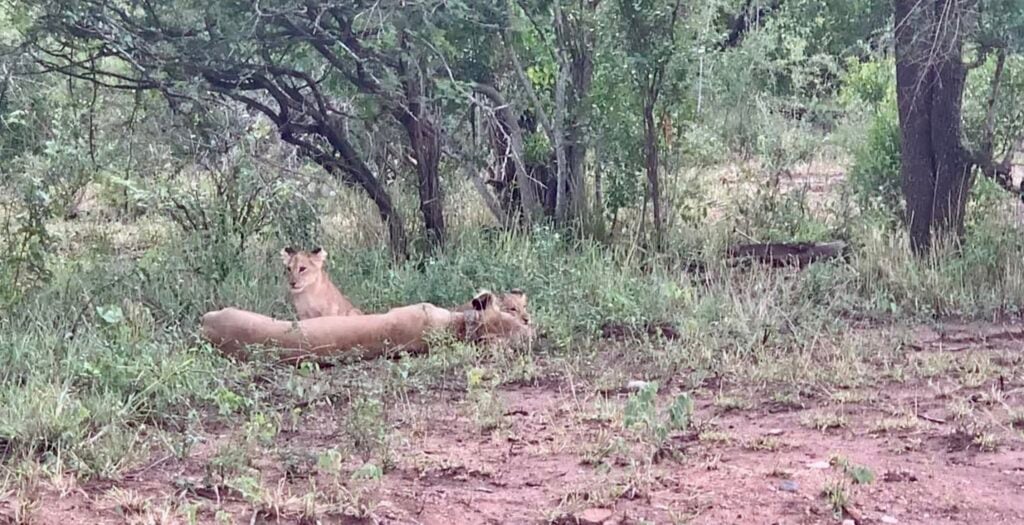
It’s scenes like these that remind us that behind the power and majesty of lions lies an equally strong heart. For observers like David, the encounter reaffirmed that even Africa’s most formidable predators are capable of extraordinary gentleness.