















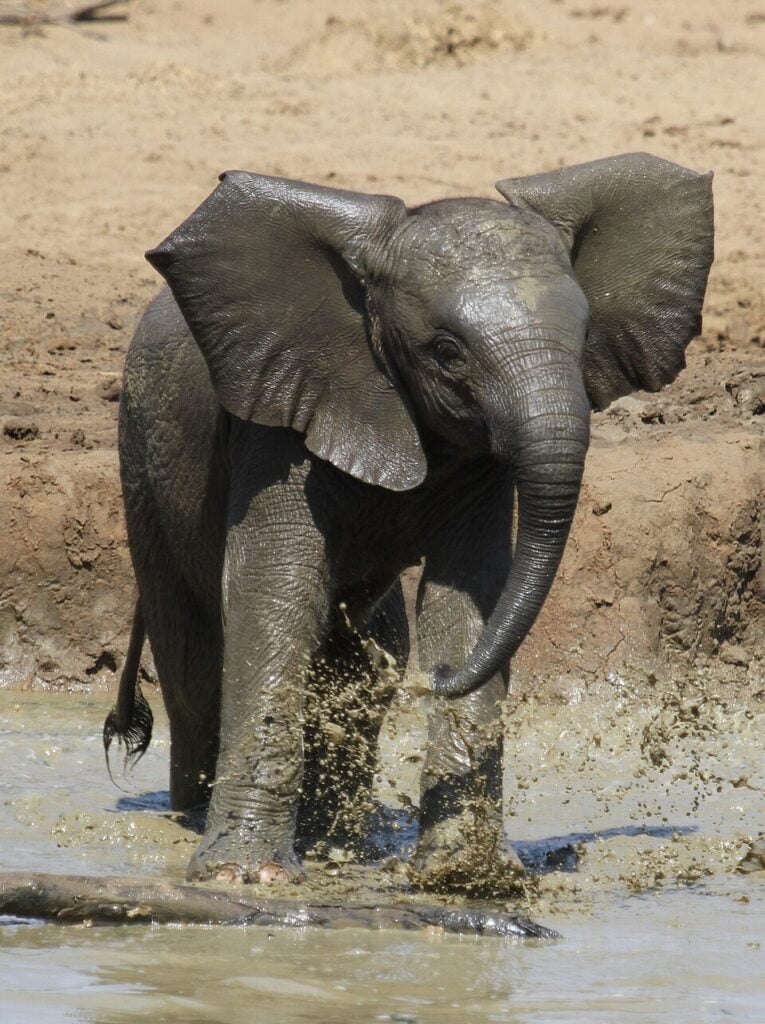
A coalition of conservation organisations has launched an initiative that could revolutionise wetland management across Africa. We report on the plan and how it relates to two South African national parks.
The formulation of the Wetlands Action Plan (2026-2028) was coordinated by the Global Rewilding Alliance and its partners. The plan aims to put wild animals at the centre of wetlands policy and restoration, using sub-Saharan Africa as the test case.
Why wetlands?
Wetlands, which include floodplains, riverine grasslands, marshes, deltas, and lagoons, are one of Earth’s most productive ecosystems.
Yet they are also among its most degraded, with pressure from development, climate change, water abstraction, and land conversion.
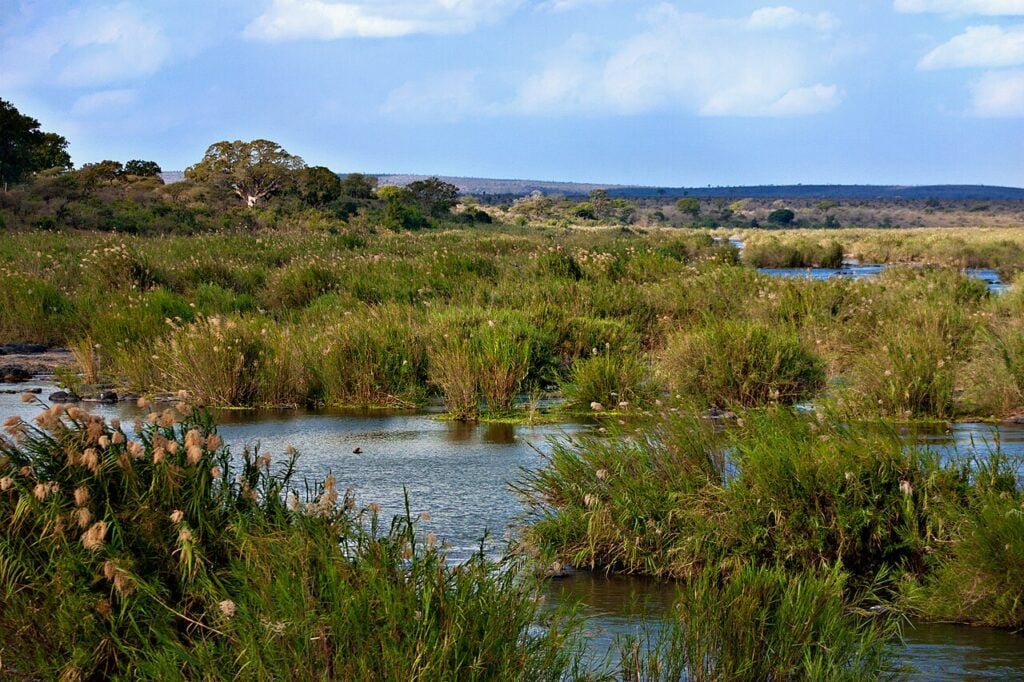
According to the plan’s authors, a missing ingredient in wetland governance to date has been the role of wildlife. Healthy populations of fauna drive the very ecological processes that support nutrient cycling, water quality, vegetation, and resilience to stressors.
Progress through cooperation
The new plan builds on others, like the 2025 Taking Animals Into Account. These reports compiled scientific and case-study evidence that wetlands with intact wildlife communities function more effectively than those without.
As the initiative’s supporters put it, restoring wildlife isn’t just a conservation goal; it is a practical catalyst for healthy wetlands that support water security, food systems, and climate adaptation.
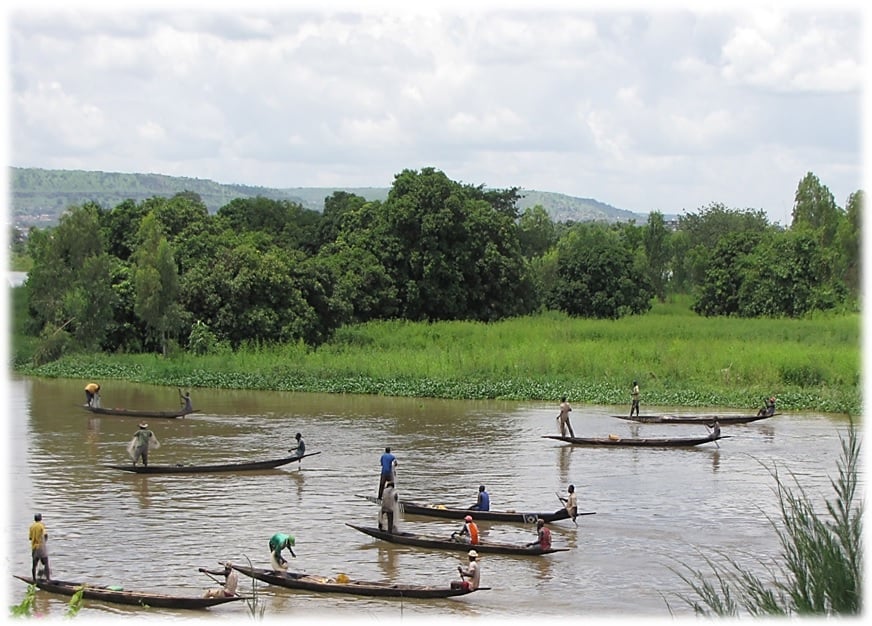
The action plan is not intended to replace existing frameworks. Instead, it works through these, such as the Ramsar Convention on Wetlands of International Importance. They have the support of institutions such as Wetlands International, BirdLife International, and the Endangered Wildlife Trust.
The plan sets out practical modules, such as: closing gaps in Ramsar designations. It does so by generating management guidelines highlighting the role of animals and facilitating rewilding projects through grants and workshops.
Lessons for South African wetland management
South Africa is home to significant wetland habitats, including protected areas such as the Makuleke Wetlands and iSimangaliso Wetland Park.
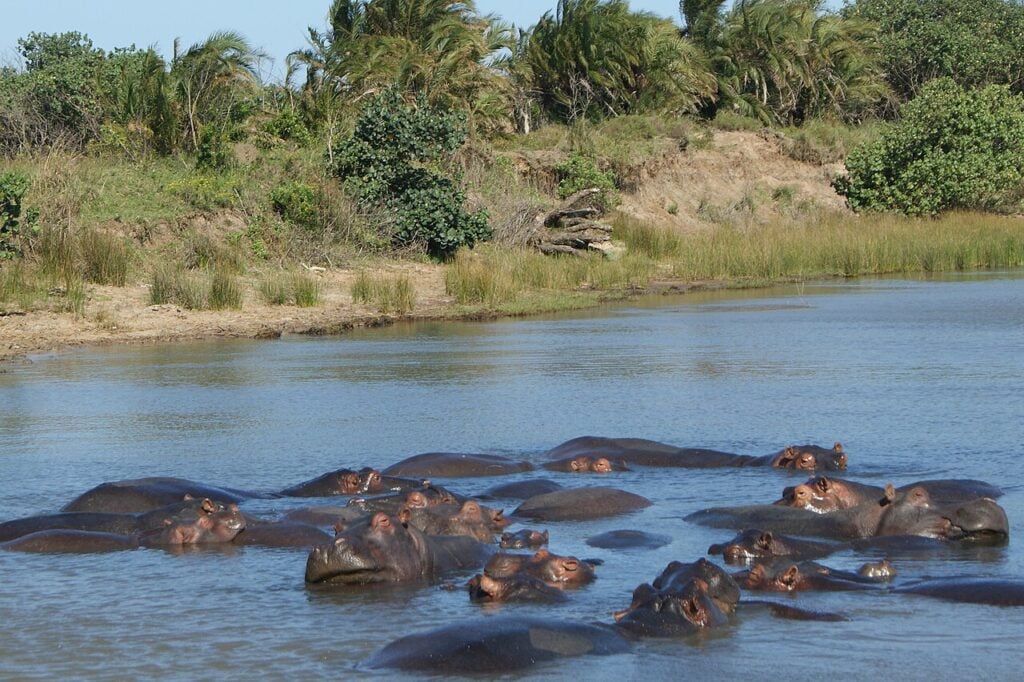
Research shows that several South African wetlands, including floodplains and valley-bottom wetlands in Kruger, are under-protected. Alarmingly, both inside and outside protected areas, many of these are in poor ecological condition.
The situation in Kruger
Wetlands in Kruger, especially those associated with the Limpopo and Luvuvhu rivers, support high biodiversity. They do so by offering critical resources to both wildlife and adjacent communities.
However, they are under pressure due to invasive species, infrastructure, water quality issues, and extreme weather, such as the flooding that damaged roads and bridges earlier this year.
Get our Best Sightings as they Come in

South African policy today
In South Africa, conservation policy recognises the importance of wetlands, with programs like Working for Wetlands rehabilitating sites and creating jobs.
However, there is no single national policy. Instead, wetland protection is spread across numerous environmental, water, agriculture, and biodiversity laws, which ostensibly weaken coordinated management.
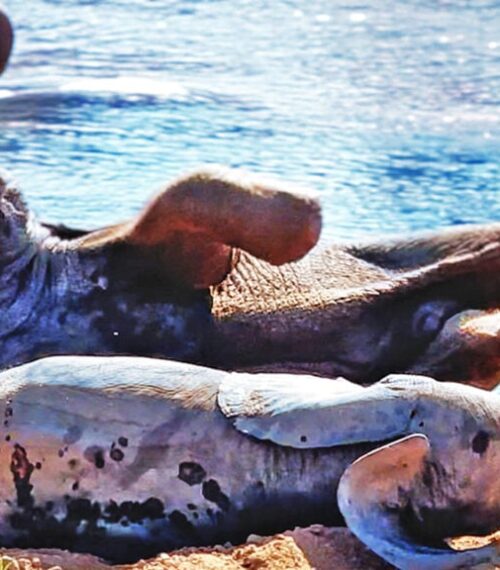
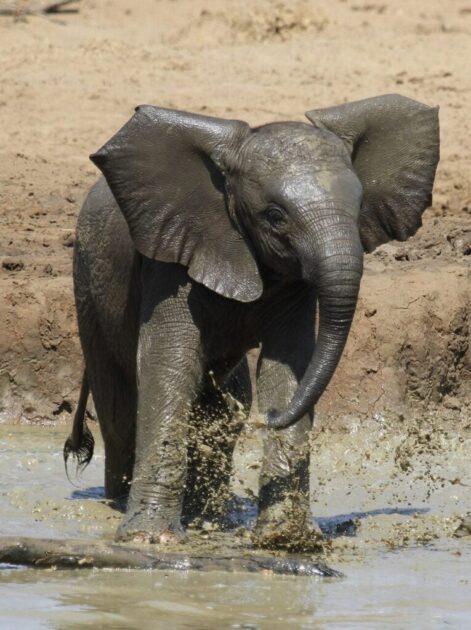
By contrast, the Wetlands Action Plan’s emphasis on wildlife could offer a fresh lens for parks such as Kruger. In that landscape, hippos, buffalo, elephants, crocodiles, and birds actively shape wetland dynamics.
Translating that perspective would involve not just protecting the wetlands, but managing the ecological relationships that sustain them. Additionally, it could inform how SANParks navigate threats like climate variability, floods, invasive plants, and hydrological change.
A broader context
The Wetlands Action Plan positions Africa as a global leader in rethinking wetland policy. It does so by moving from static preservation strategies to dynamic, wildlife-inclusive management.
By linking science, Indigenous knowledge, and economic valuation, it aims to shape policy and inspire grassroots initiatives that strengthen both biodiversity and community wellbeing.
As the continent grapples with water scarcity, climate impacts, and the need for resilient ecosystems, integrating lessons from this initiative could bolster wetland health across the continent and beyond.