













A Calm Day Turns Tense
In Kruger National Park, the S100 is often a stretch of road full of surprises. As safari-goer Amir and his group drove down this particular road near Samara, they were enjoying what was initially a peaceful afternoon drive.
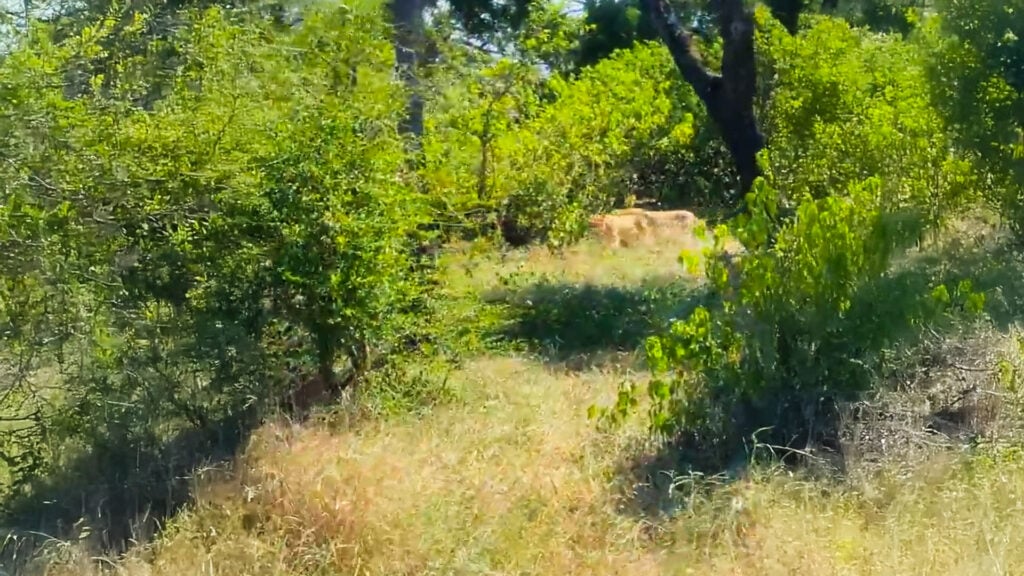
Nine lions were lounging lazily by the roadside, basking in the sun without a care in the world. Amir’s vehicle approached to observe the lions, but the calm didn’t last long.
After a few minutes, another creature entered the scene, one far less relaxed.
The Dramatic Mood Shifts
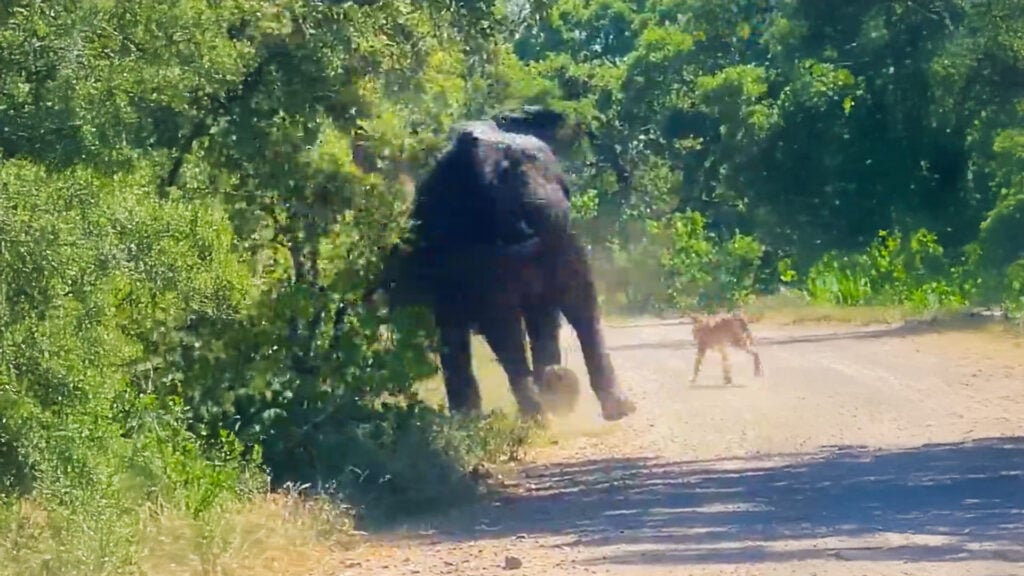
A massive elephant made its way down the road toward the lions, and at first, it seemed to be simply passing through. Something about the nearby pride must have rubbed it the wrong way, however, because its demeanour suddenly changed for the worse.
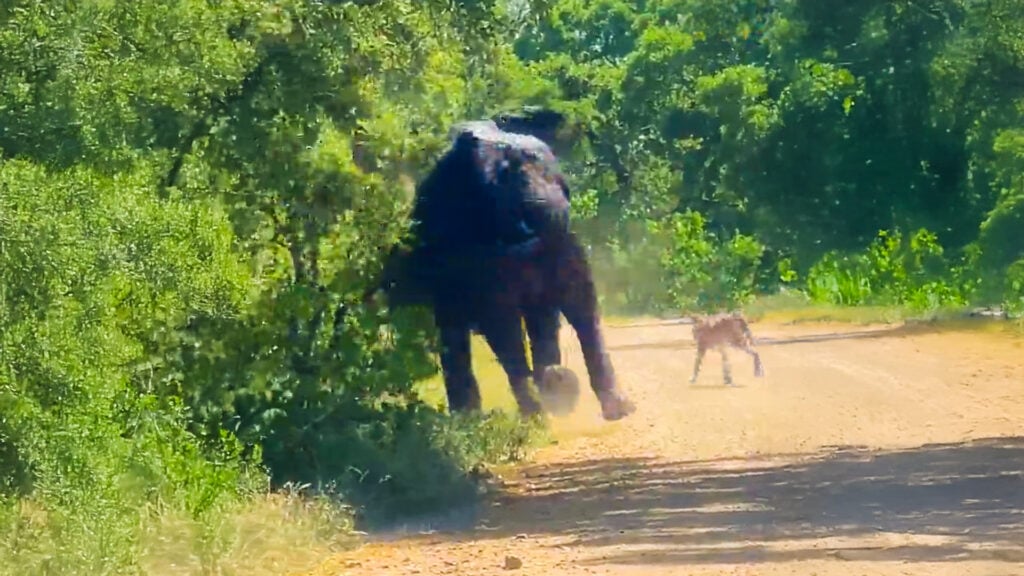
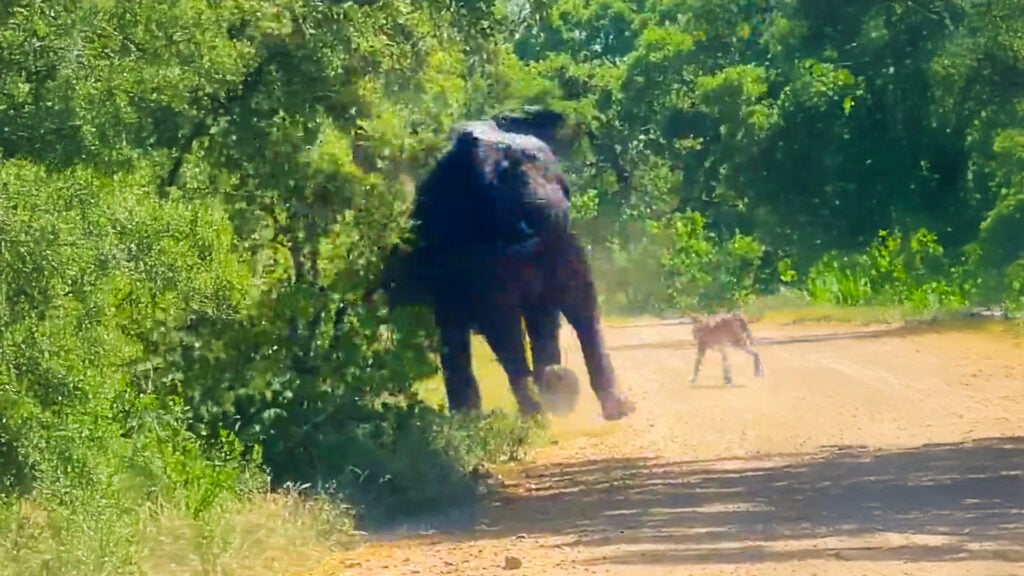
With a quick shift in temperament, the elephant began flapping its ears, raising its trunk, and advancing towards the lions, all clear signs of agitation. Then, within seconds, it turned its full attention to the pride and broke into a determined charge that sent up clouds of dust!
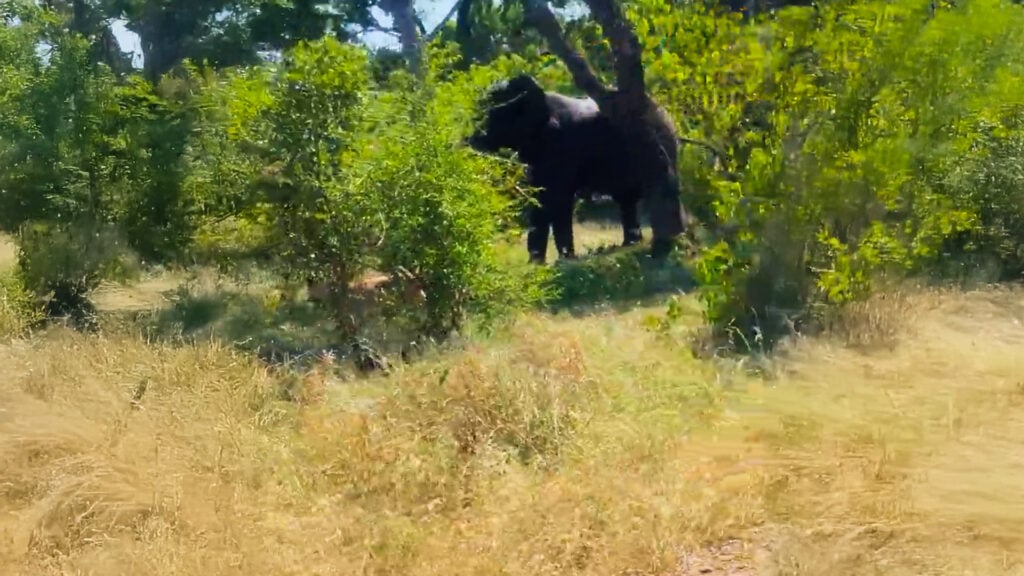
Lions are tough apex predators, but even they know when to avoid a fight. Even though they bested the elephant in numbers, its size alone was enough to deter them.
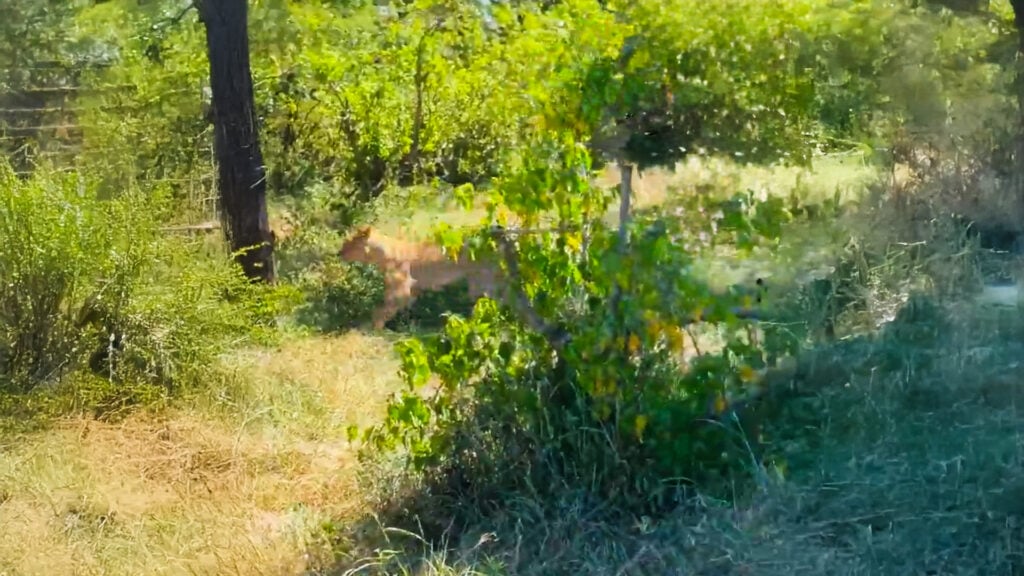
As the elephant charged, the lions bolted in all directions, leaping to their feet and dashing for safety. Though no physical contact was made, the message was loud and clear: this was the elephant’s territory.
The safari vehicle’s guide wisely began reversing, giving the elephant the space it demanded as it continued to chase the lions around. Meanwhile, the guests were gasping and taking photos of the sudden change in mood and dramatic atmosphere.
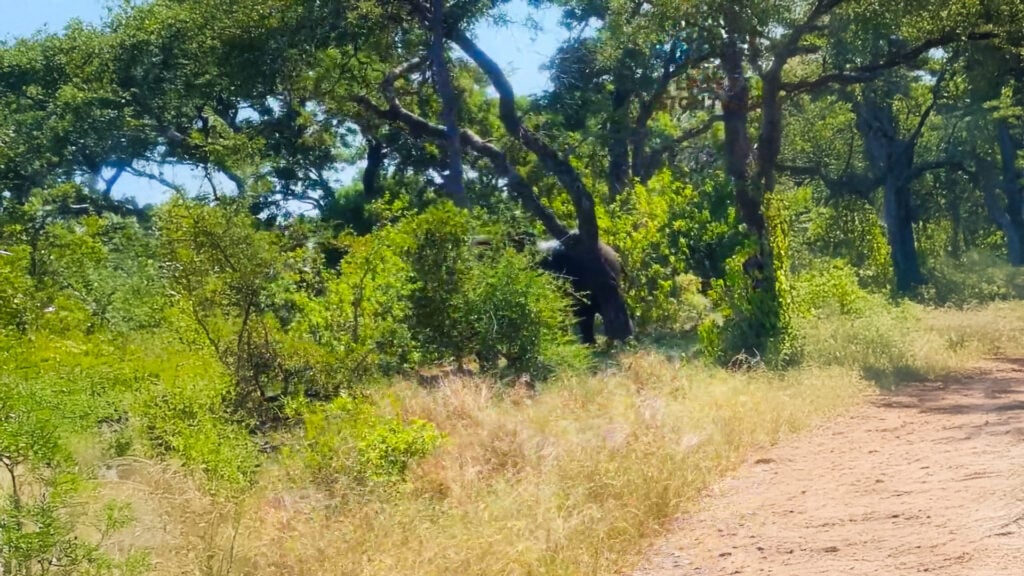
The immediate retreat of the lions was a striking reminder that even Africa’s top carnivores must respect the hierarchy of power in the wild.
Elephant Behaviour and Territory
Elephants can be surprisingly territorial, especially protective mothers or bulls who are in musth, a period of heightened testosterone and aggression. While lions may pose little direct threat to an adult elephant, their proximity to water sources, food, or calves can provoke a defensive reaction.
Get our Best Sightings as they Come in

Ear-flapping, trunk-swinging, and head-shaking are all early signs of elephant irritation, and it’s best to give way before those warning signs escalate into a charge. Safari-goers should always be on the lookout for signs of aggression in any animal in order to stay safe while in the bush.
Respecting Wildlife From a Distance
This sighting is a perfect example of responsible safari etiquette. The guide didn’t panic or try to outrun the elephant. Instead, they reversed slowly and calmly, allowing the elephant to reclaim its comfort zone without conflict.
Observing wild animals in their natural habitat requires not just awe, but respect, and this encounter is a testament to the importance of reading animal behaviour and acting accordingly.
This sighting also reminds us that in the wild, size, mood, and timing can flip the power dynamic in an instant. Even the kings of the savanna know when it’s time to back off.