















Drama at the Waterhole
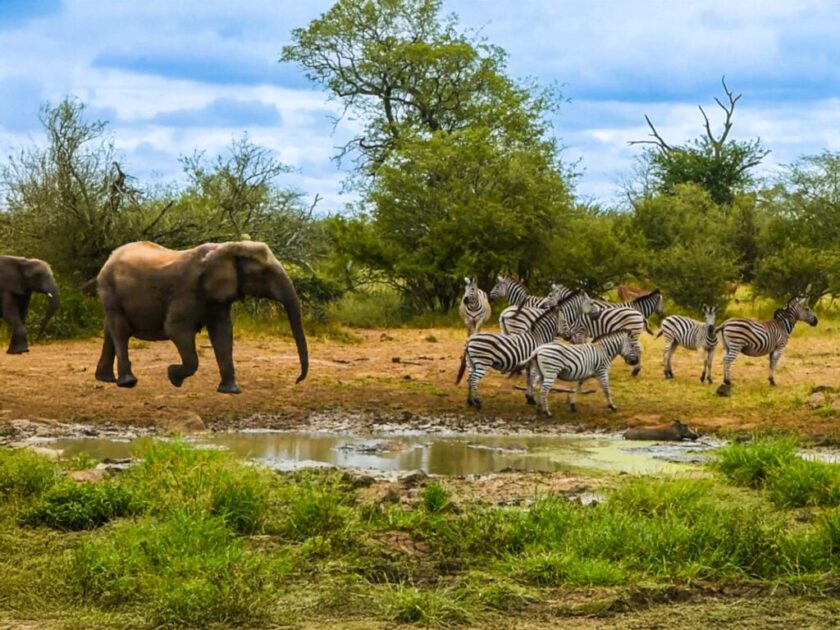
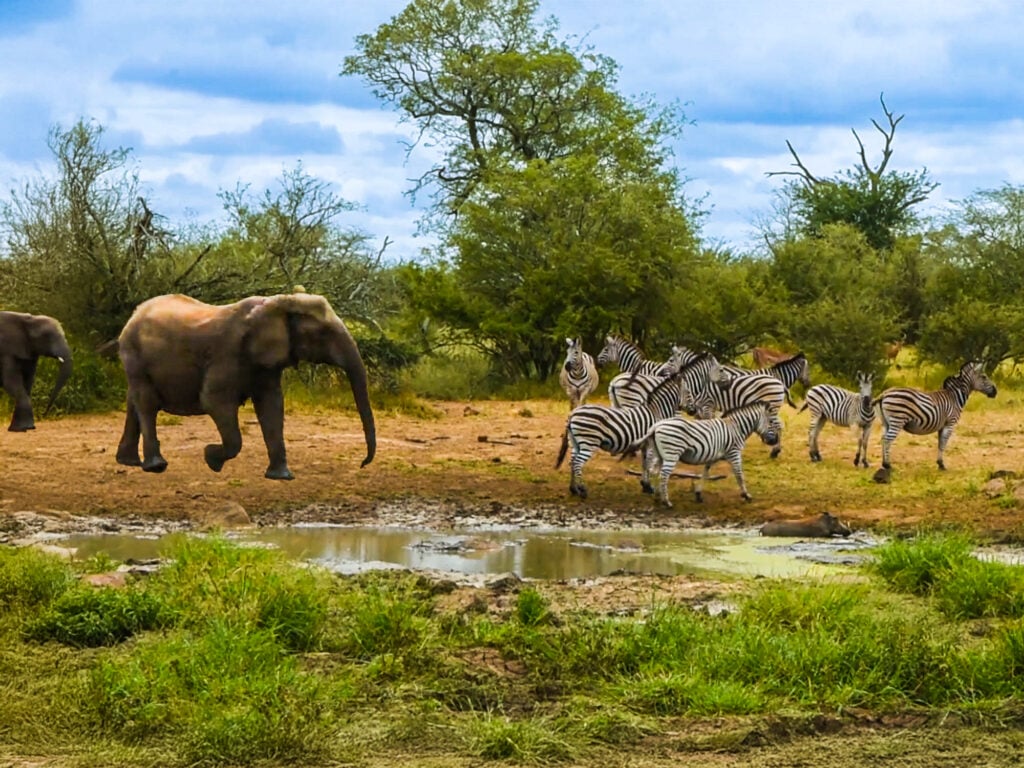
In the heart of Kruger National Park, safari-goers witnessed a fascinating interaction. The sighting started with a zebra herd gathered around a small waterhole, sipping and grazing in the dry bush-veld heat.
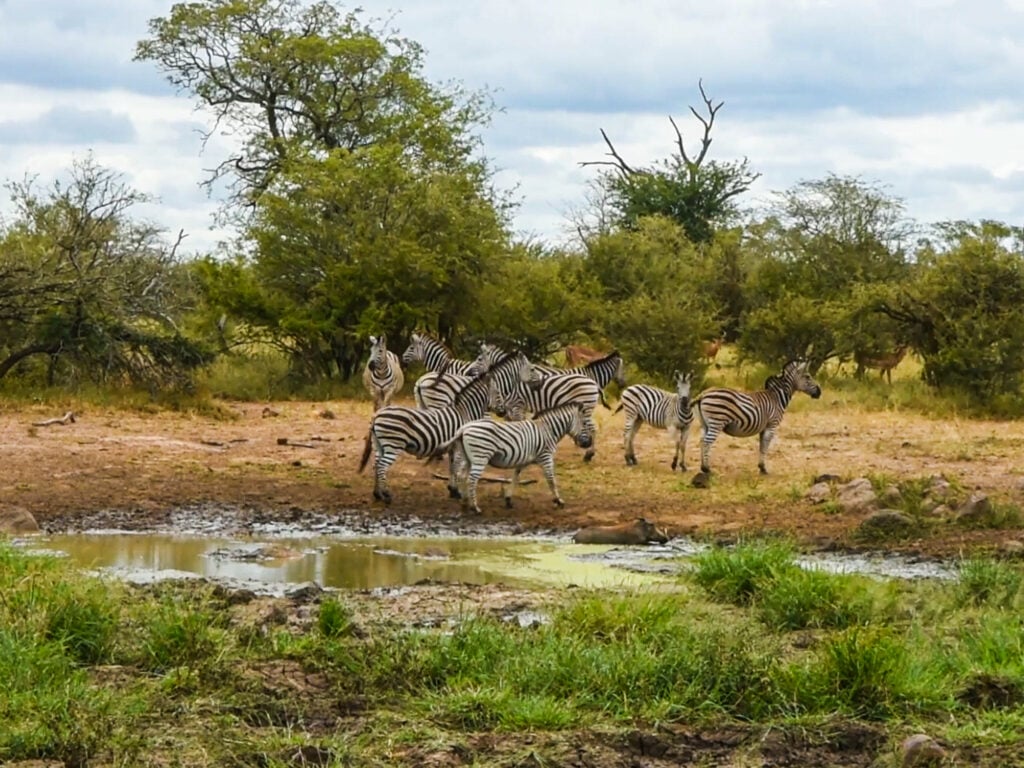
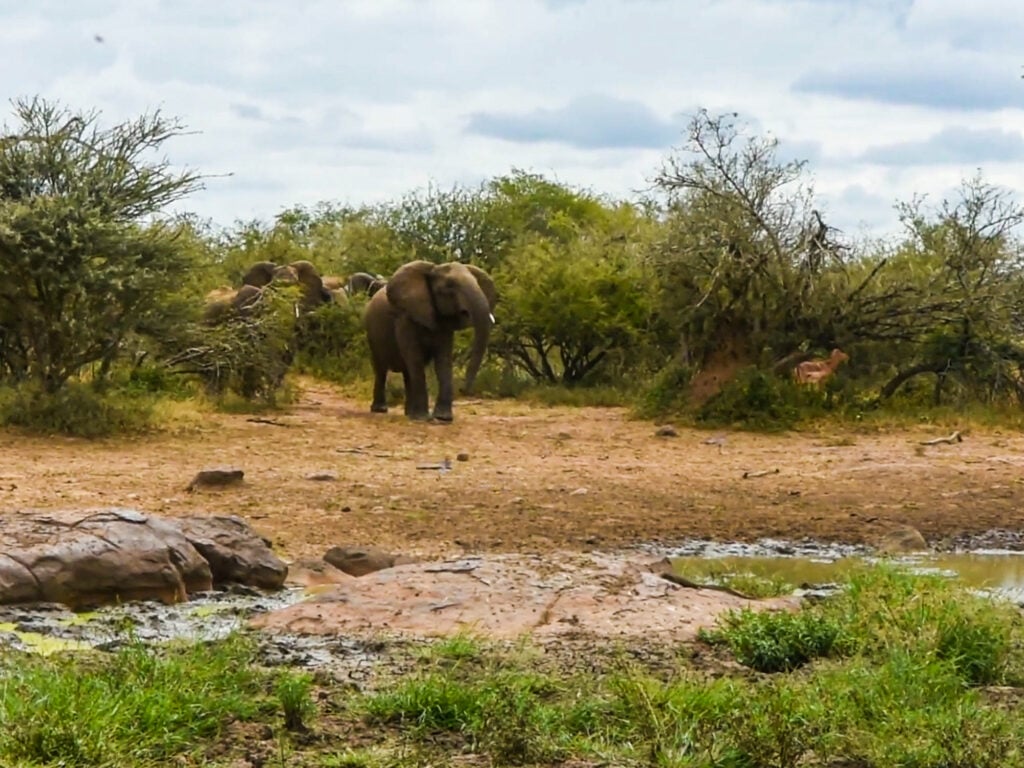
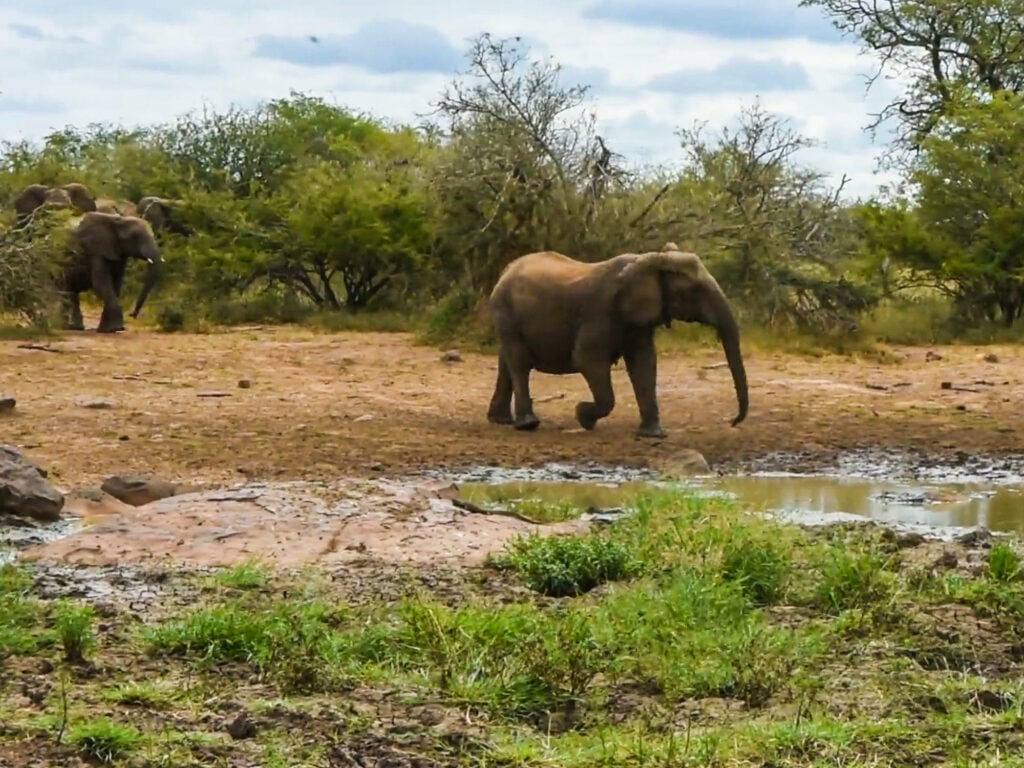
All seemed calm until a large elephant emerged from behind the trees. Its towering frame and fixed stare instantly commanded the attention of both the zebras and safari-goers.
More elephants soon emerged behind it, but the first did not attempt to hide its leadership or intent. It stood still for a moment, ears slightly fanned, and then took a few deliberate steps forward.
The zebras were in no mood to stick around and test the elephant’s intentions. As it steadily approached with its imposing posture, they began to slowly back off, regrouping a few meters away.
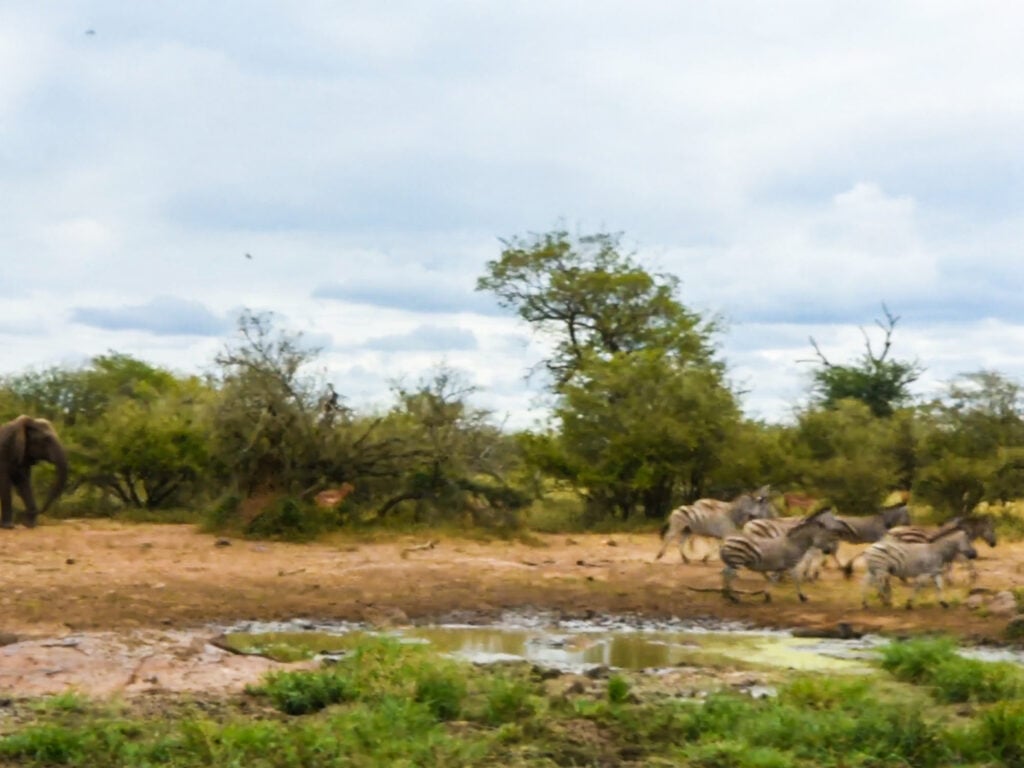
The lead elephant gave a dramatic head shake and flared its ears, making its message loud and clear. Though no physical altercation occurred, the communication was unmistakable: this waterhole now belonged to the elephants.
What followed next was less about aggression and more about protocol in the wild. It was an unspoken understanding between species that know who gets first rights when it counts.
Establishing Dominance
Although elephants and zebras aren’t natural enemies, they often compete for essential resources, particularly during dry seasons. In situations like this, elephants, being larger, more socially organized, and deeply dependent on water, assert dominance at limited watering holes.
A more tolerant, shared interaction may have unfolded if the waterhole had been larger or plentiful. In tight spaces with scarce water, however, elephants prioritize their herd’s needs and use their size and presence to displace smaller species.
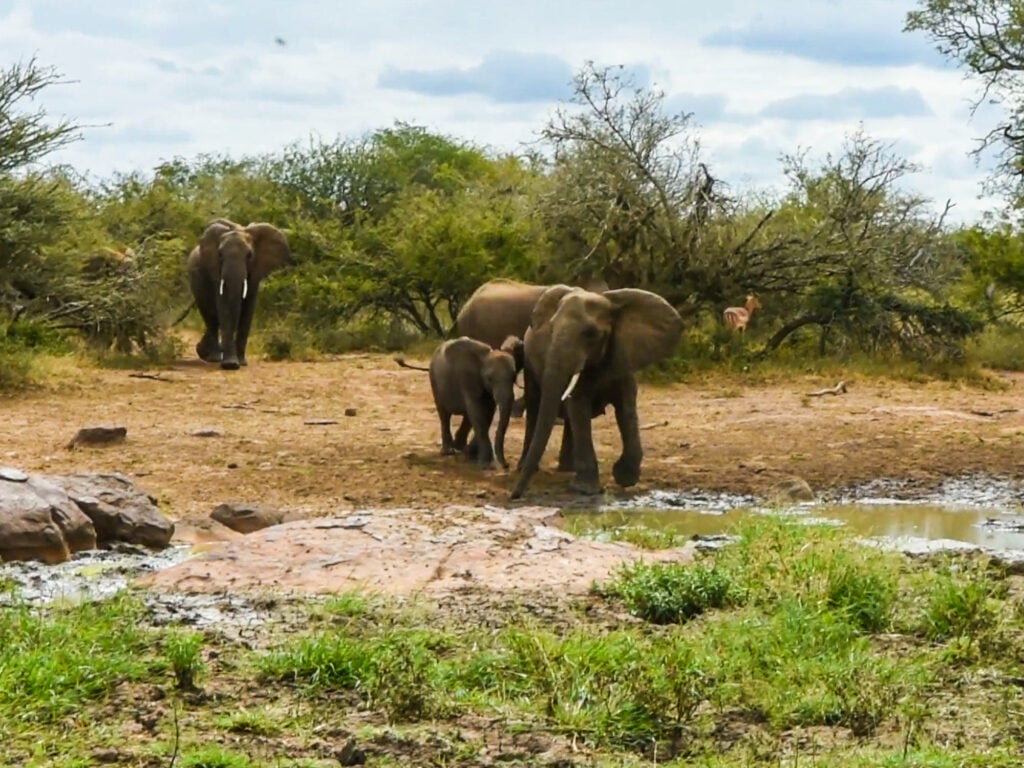
These displays are less about hostility and more about establishing hierarchy in a resource-scarce environment.
A Family Affair
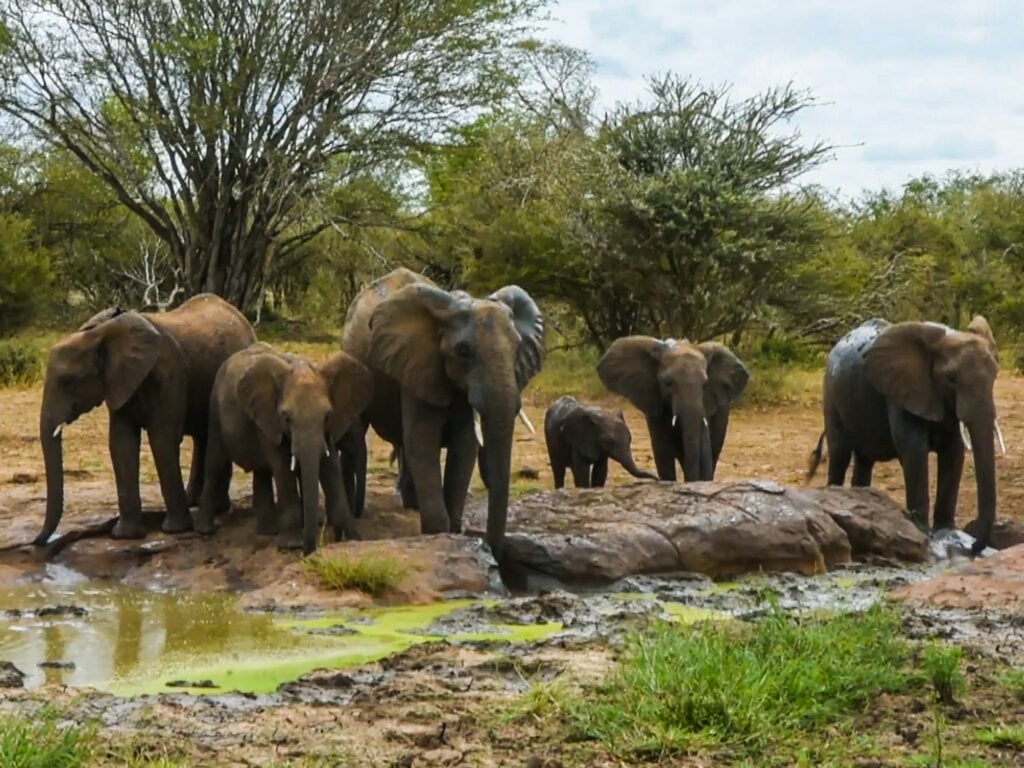
Once the zebras had cleared out, the rest of the elephant herd emerged. Mothers with young calves, older matriarchs, and even playful juveniles joined in, making their way down to the water.
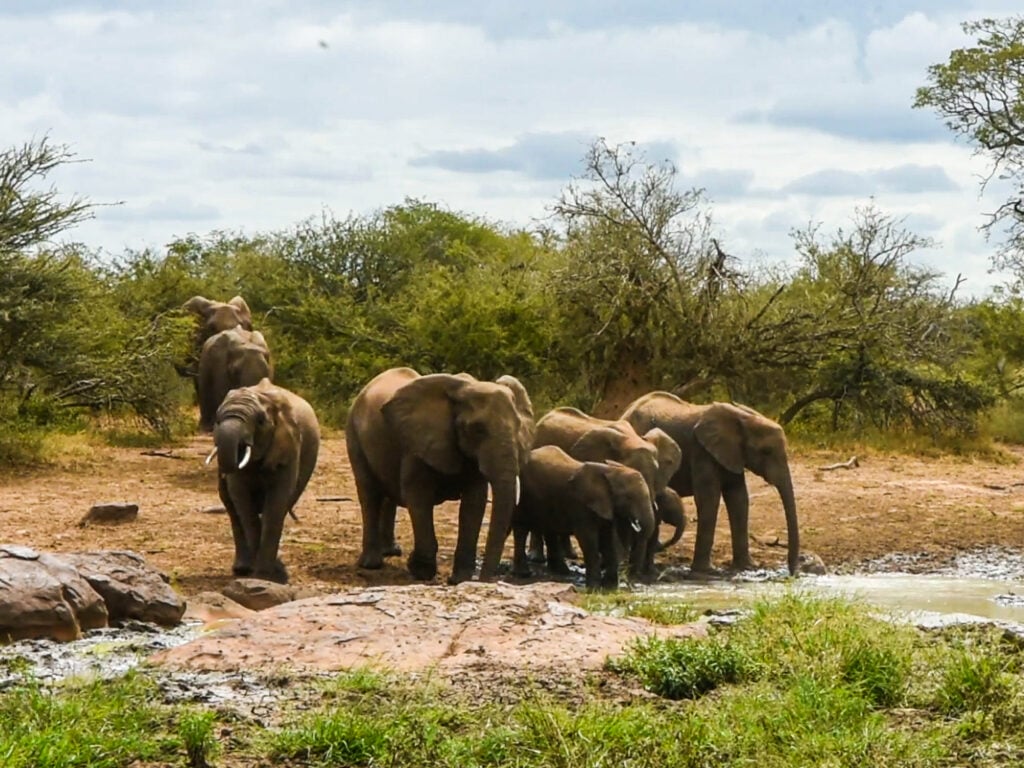
They drank deeply, splashed with their trunks, and coated themselves with the cool water. It was clear there was a purpose to the initial confrontation: make way for the entire family to hydrate and refresh in peace.
Get our Best Sightings as they Come in

In ecosystems like Kruger, access to water shapes every aspect of life. Dominant species like elephants naturally take control when water is limited, not out of cruelty but out of necessity.
These subtle power plays may seem dramatic to us but in the natural world, they’re common practice. For the zebras, this was just another day of adjusting to the whims of their much bigger neighbours.
In the End
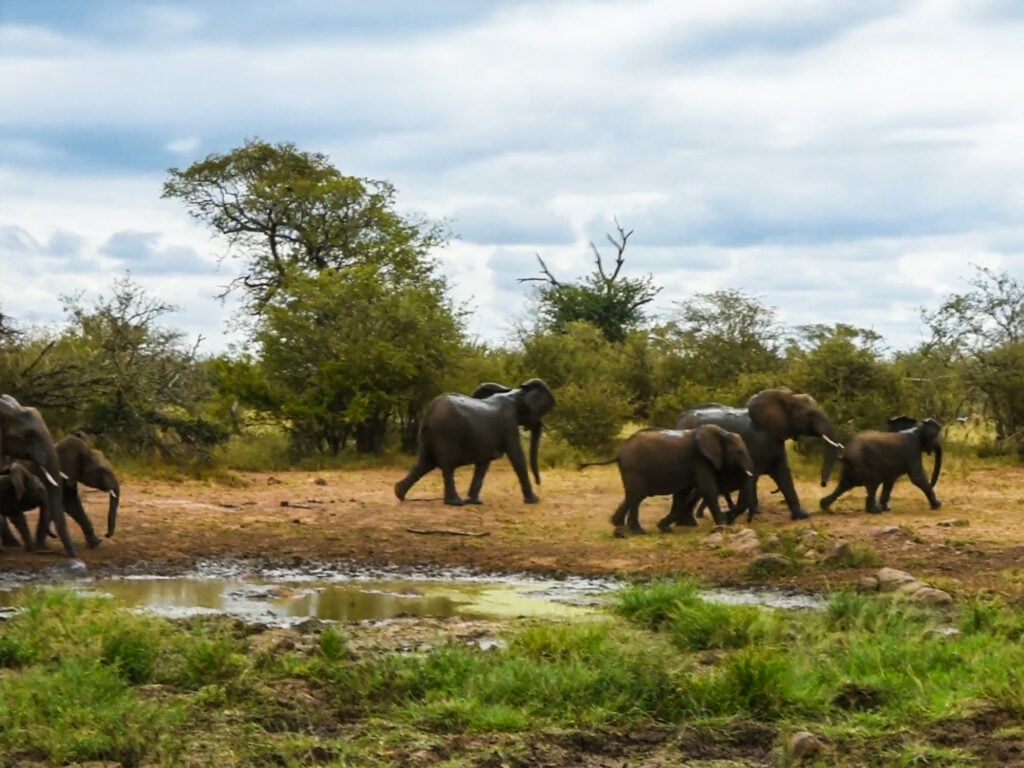
After quenching their thirst, the elephants decided to give a final chase to the zebras who stayed at a distance, no doubt waiting for a quieter moment to return. The elephants moved as one and sent the zebra herd scattering into the bush, staking claim to the waterhole for the rest of the day.
This entertaining and educational encounter offers a window into how animals manage shared spaces in the wild. The elephants’ actions weren’t needlessly aggressive; they were practical, protective, and a clear assertion of dominance in a dry landscape.
Meanwhile, the zebras’ calm retreat shows respect for that hierarchy and a deep-rooted instinct for self-preservation. The safari-goers were lucky to witness this natural negotiation in action.
Moments like these reflect the delicate balance of coexistence and the silent laws that govern the animal kingdom.