











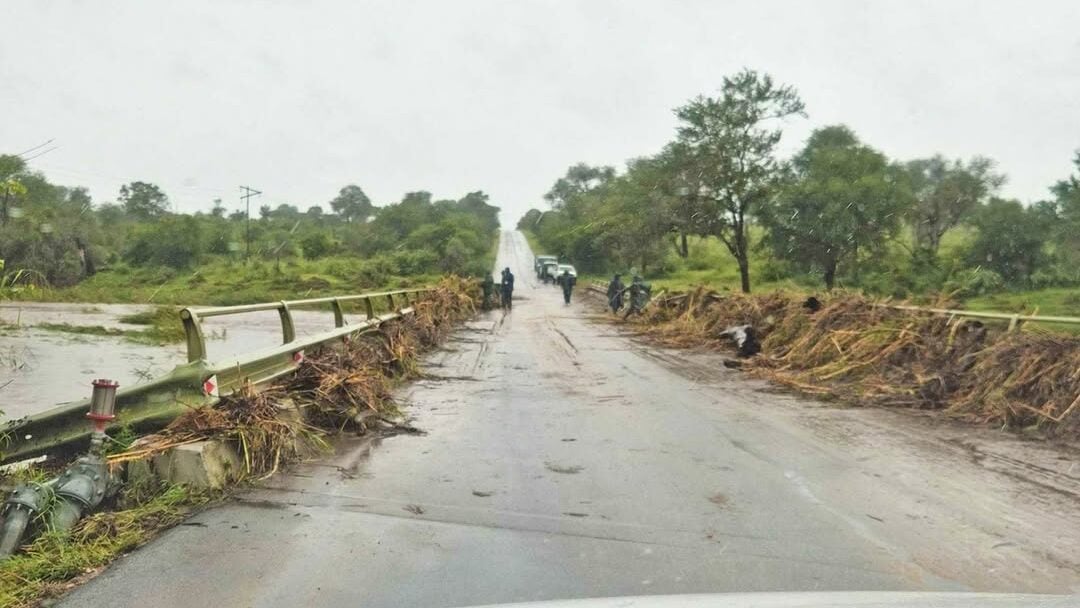

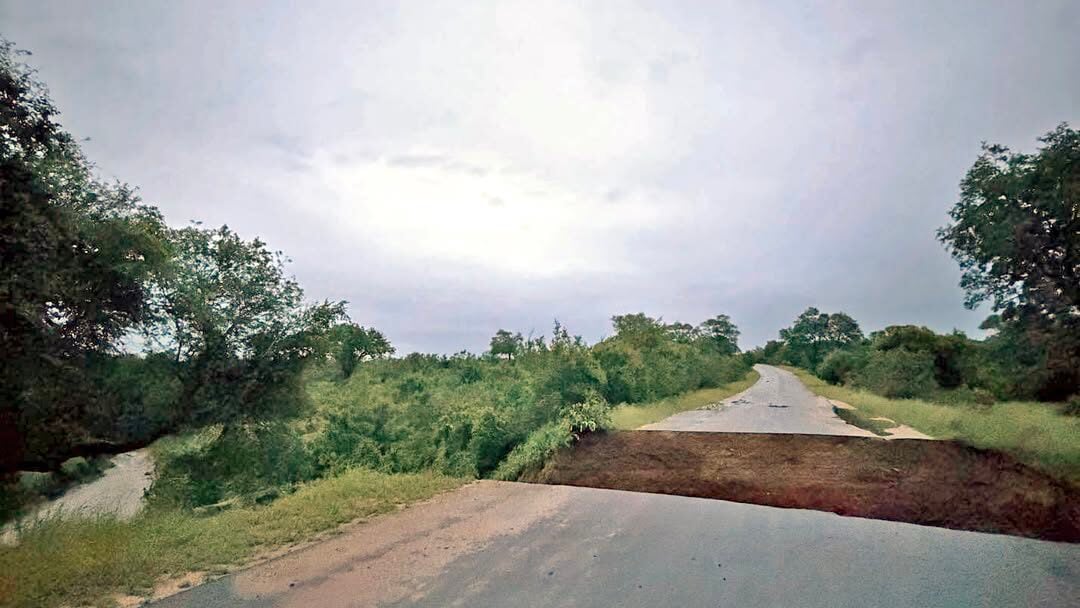
As floodwaters continue to surge through parts of Kruger National Park and the surrounding areas, many visitors and wildlife enthusiasts are asking the same question: what is happening to the animals?
While the full ecological impact of widespread flooding will only become clear with time, Latest Sightings reached out to guides, conservationists, and researchers on the ground to gain insight into the important patterns that have already begun to emerge.
Breeding Disrupted Before the Water Even Settles
For conservation projects that work within precise biological timelines, the floods have already had real consequences. The Mabula Ground Hornbill Project, which plays a crucial role in boosting declining hornbill populations, explained that the floods cut directly into their breeding-season operations.
“We will only know the true extent of the effects of such widespread and severe flooding after the fact – we haven’t seen this before, to this extent.”
Each year, the project carefully harvests the second-hatched ground hornbill chicks (a chick that would naturally perish as the species can only raise one offspring at a time).
“Our annual chick harvest had to be cut short… due to the flooding, we were not able to access some of the nests at the times that we needed to, resulting in a limited harvest.”
This means fewer birds will be available for future releases, creating a subtle but lasting ripple effect. Managed populations aren’t the only ones feeling the strain; however, wild birds will also be affected, as it is currently their breeding season, and floodwaters don’t wait for chicks to fledge.
You can support the efforts being made to preserve our precious and rare Southern Ground Hornbills on The Mabula Ground Hornbill Project’s website.
Movement Patterns are Less Dramatic than Expected
Interestingly, not all animals appear to have fled in panic. According to Ankia Pusey from Contemplate Wild, data from GPS-collared animals suggest that some species may have remained surprisingly stationary.
“We haven’t really noticed too many different behaviours according to information we are seeing from collars…it seems like [the wild dogs] haven’t moved much during the rain.”
While Anika reiterated that the team couldn’t observe animals directly during the worst of the storms, their data hints at a quiet resilience.
Contemplate Wild uses technology and data to protect wildlife, and you can get involved with their cause!
Floods are Natural, but Not Without Cost
A guide from Kruger offered a sobering reminder that while wildlife is adapted to harsh conditions, floods remain deadly events.
“While most animals have a certain amount of natural resilience to unusual circumstances, it is well documented that many animals die in floods, just as they do in other extreme weather conditions.”
Nature is resilient, but not invincible, and extreme weather always carries casualties.
Early Warning Signs Along the Rivers
Interestingly, long-time professional guide Jan Kriel of Jock Safari Lodge, noted some behavioural changes before the rivers burst their banks. As someone who has experienced previous major flood events, Jan observed a pattern among water-dependent species.
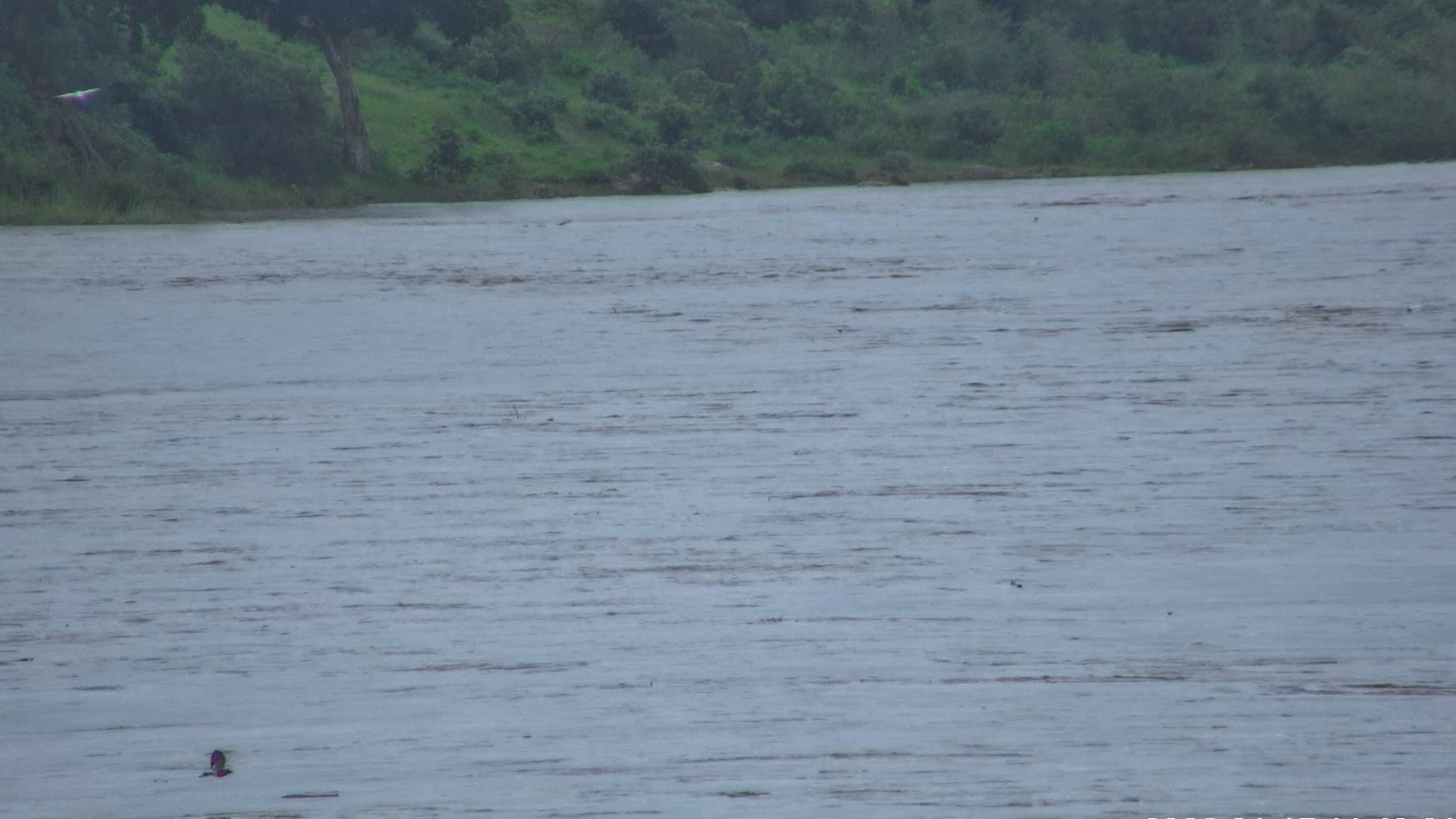
“The one thing which I have realized, and this also [occurred] during the 2000 floods… was that Crocodiles and Hippos would leave the river systems which became dangerous for them”
Jan added that many animals instinctively sought higher ground, sensing that they needed to get to safety.
“I believe that they could feel the atmospheric pressure changes and they knew what was coming.”
When Instinct Isn’t Enough
From South Post at Kruger, Steyn Jacobsohn witnessed some of the most dramatic and tragic outcomes, particularly among hippos.
“The only real behaviour that we saw that was different was the hippos… they spent a lot more time on the banks than in the water, especially because they can’t swim.”
He recalled a devastating moment from a previous flood year.
“There was a rush of water that came, and we just saw one hippo, and he didn’t make it… he drowned as the river just went.”
Jacobsohn also noted an unusual consequence of crocodiles abandoning swollen rivers.
Get our Best Sightings as they Come in

“And the interesting thing is all the crocodiles that are ending up in all the towns everywhere, because they go out of the mainstreams, and main rivers…and then they end up in such unusual places.”
As for other species, he was careful not to speculate but mentioned that elephants hate this type of weather, so are likely to venture to higher grounds and thickets as well.
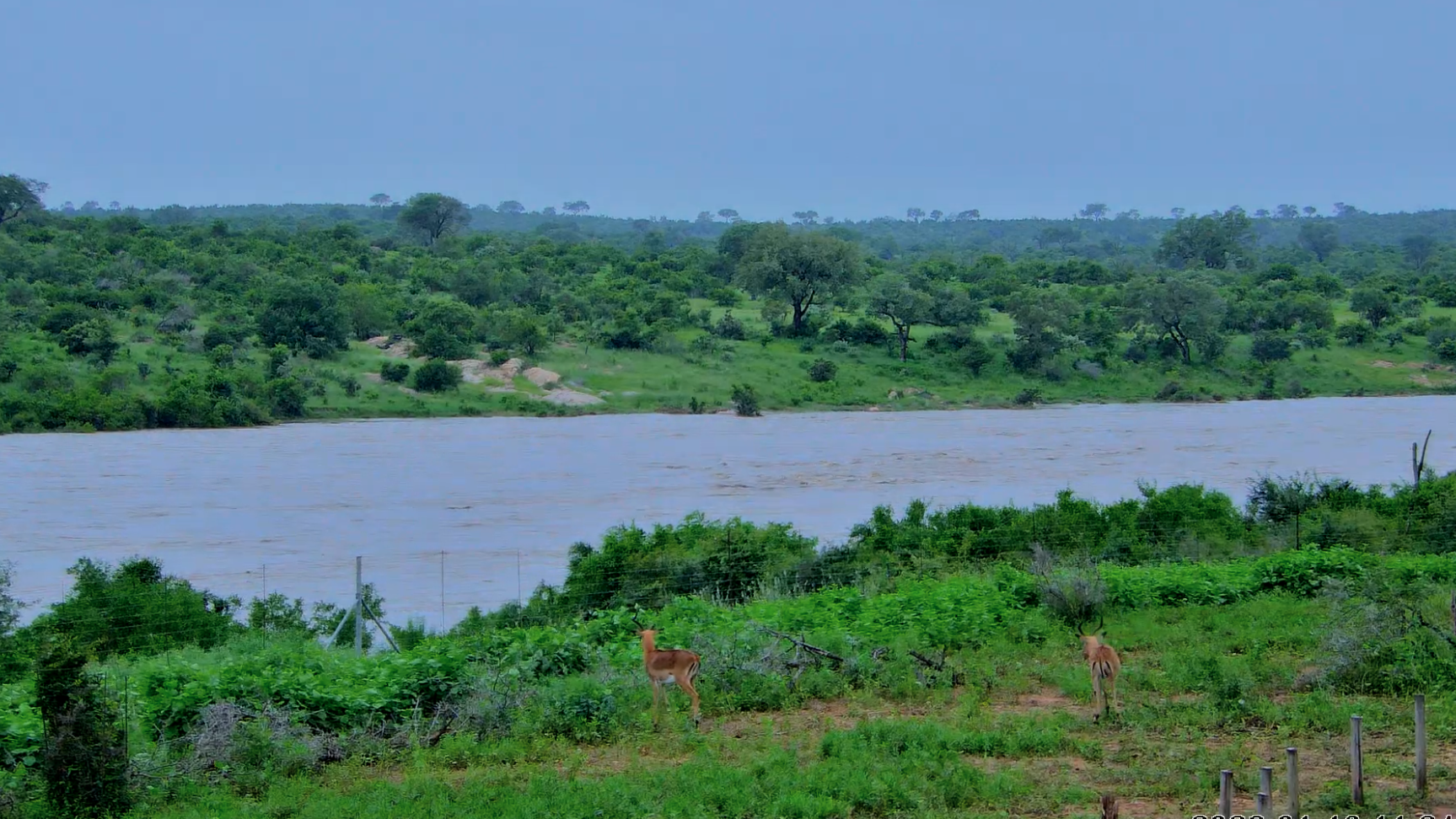
You can watch the Crocodile River in flood live from South Post on YouTube:
Waiting for the Long-Term Story
For now, much remains unknown. Floods reshape landscapes, redistribute nutrients, and alter predator-prey dynamics, but they also leave scars that take years to heal.
As guides and researchers continue to observe the effects of the flooding, one thing is clear: survival during floods is a complex mix of instinct, luck, and resilience.