













Calf Surrounded in Sabi Sands
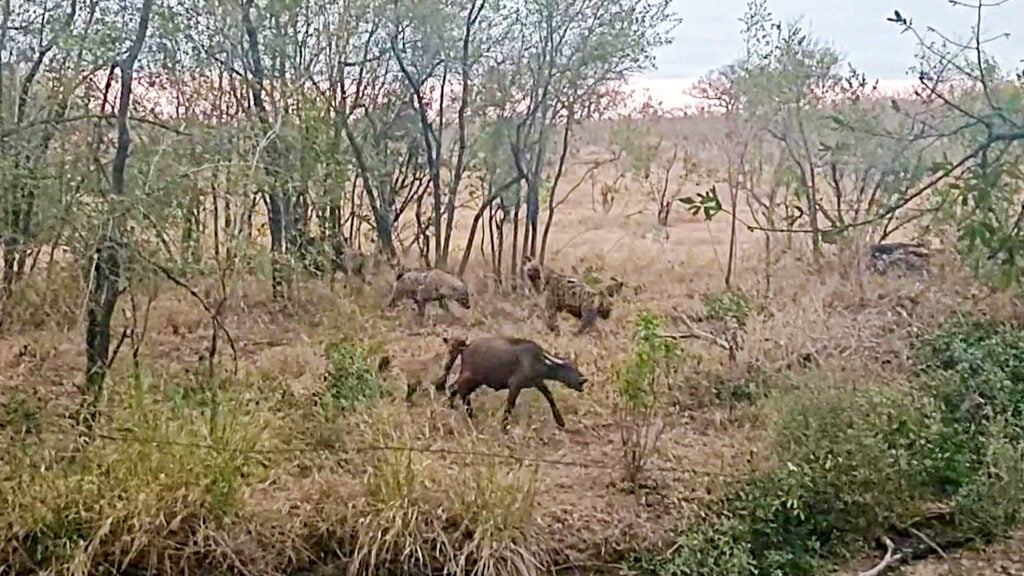
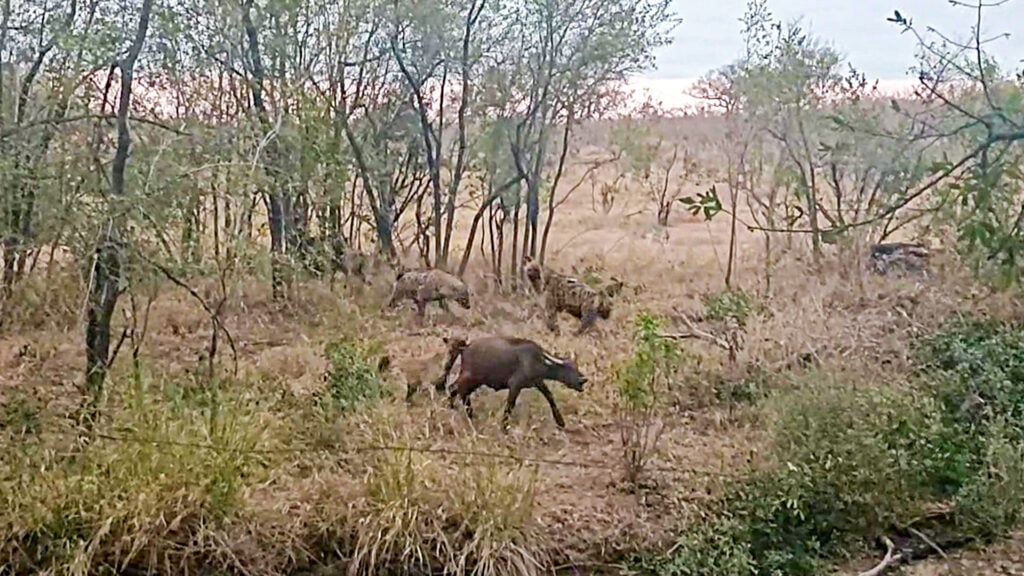
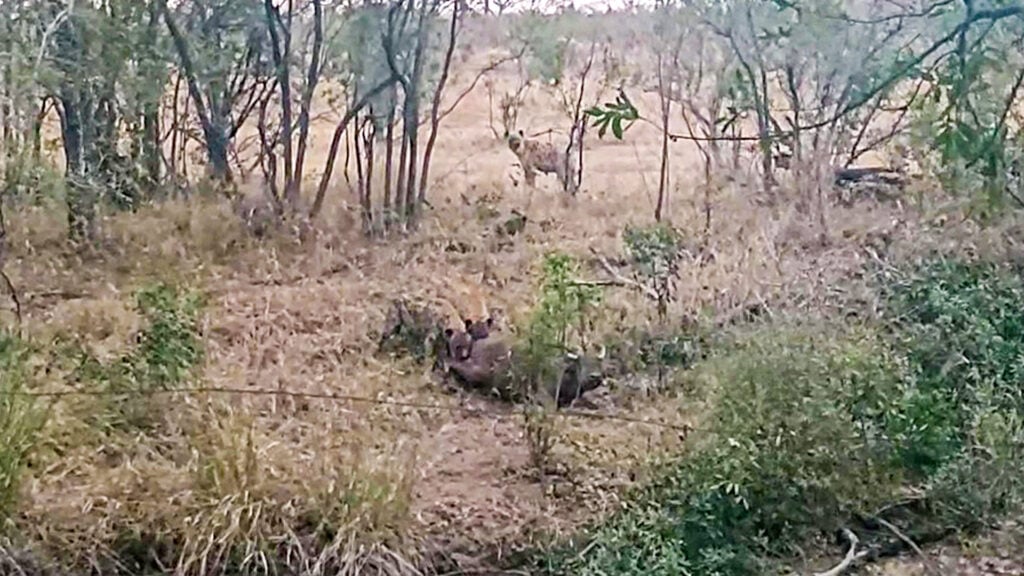
This distressing, heartbreaking and sobering sighting was filmed by Ruan Spies in Sabi Sands Game Reserve. The footage opens on a young buffalo calf standing alone, already surrounded by danger.
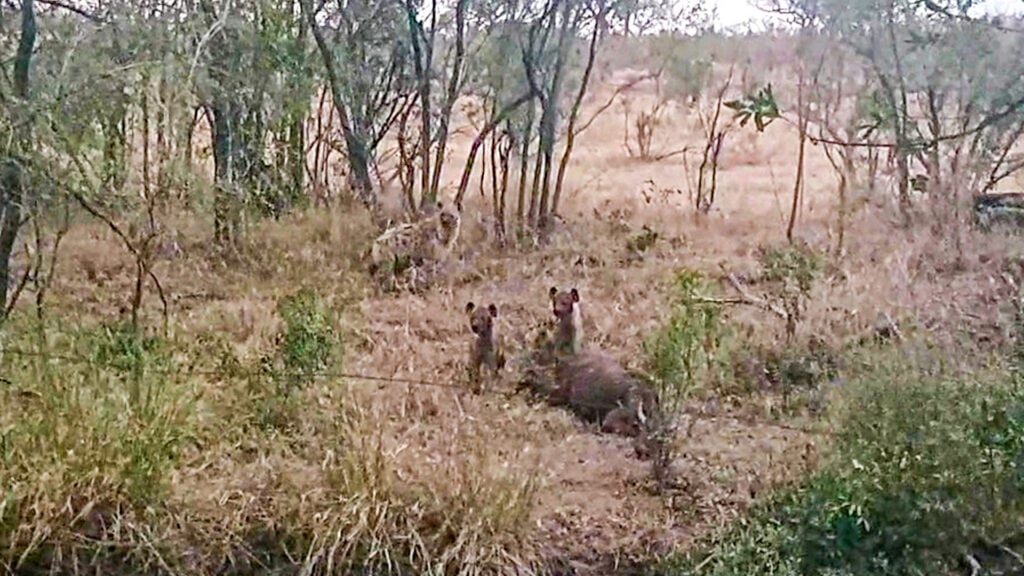
Several hyenas circled the calf with an alert and focused posture. It’s unclear how long, how or why the calf was separated from its herd, but the hyenas had likely been harassing and moving in on the calf for a while before the camera started rolling.
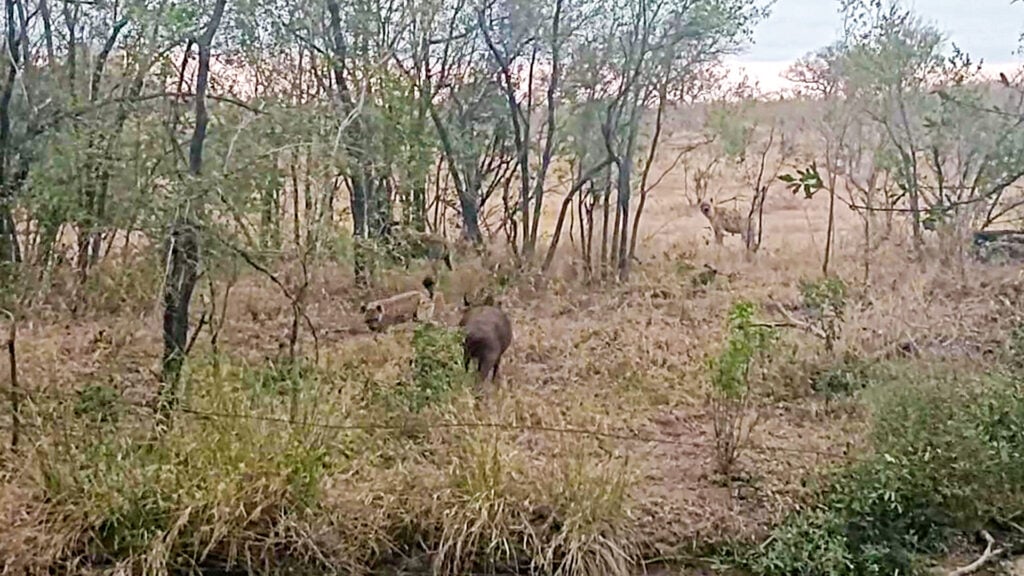
A few seconds after the start of the video, one hyena made its move, darting forward and clamping onto the calf’s tail. The calf let out a loud, desperate cry for help that echoed unanswered across the bush.
Within moments, the situation escalated. The calf stumbled and went down, and a second hyena joined the attack.
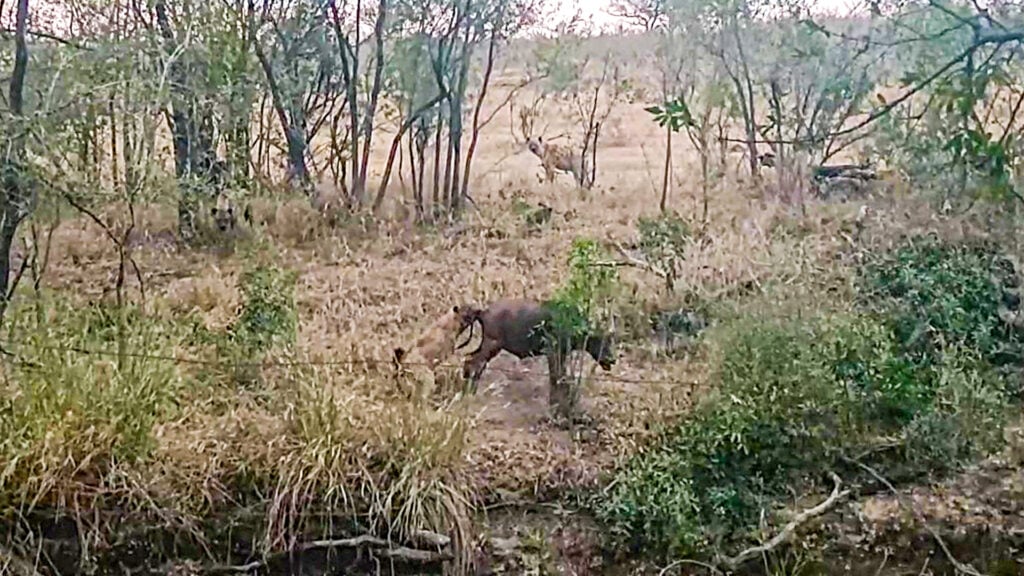
What followed was a prolonged and deeply unsettling sequence, as the hyenas began feeding while the calf was still alive.
The Struggle That Never Came
One of the most striking aspects of Ruan’s footage was how little resistance the calf put up. It never kicked, charged, or attempted to flee.
It’s possible the calf had already endured a longer standoff before filming began, leaving it exhausted, injured, or in shock by the time the camera started rolling.
Young buffalo rely heavily on their herd for protection, and calves are rarely left alone unless something has already gone terribly wrong. Separation can occur during floods, predator pressure, or long-distance movement.
It’s a harsh reality, but once isolated, a calf’s chances at survival drop to almost zero.
An Easy Target
Hyenas are highly opportunistic predators and scavengers. While they are capable hunters, they rarely attack healthy adult buffalo alone due to the extreme danger involved.
A lone calf, however, represents a rare and valuable opportunity, especially when energy expenditure must be balanced against risk. As demonstrated in this sighting, hyenas often begin their attacks at the hindquarters, targeting tails or legs to immobilize their prey.
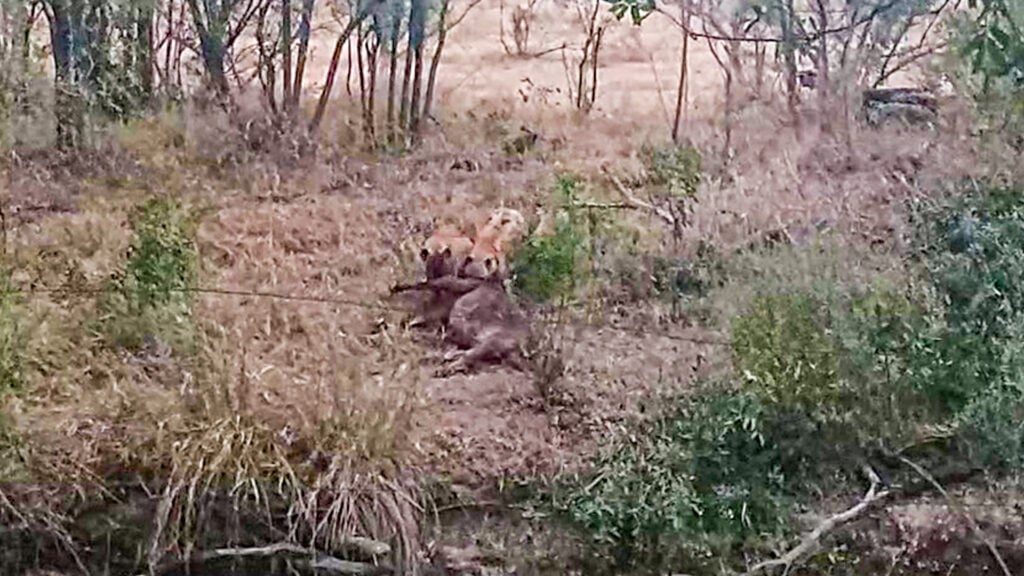
This strategy minimizes the chance of injury and allows them to wear an animal down quickly. Unlike big cats, hyenas do not rely on a single killing bite; instead, they overpower prey through persistence, numbers, and powerful jaws.
While difficult to witness, this behaviour is not cruel in intent; rather it is purely survival-driven.
The Slow Work of the Pack
As minutes passed, a third hyena arrived and joined the feeding. The calf’s calls grew weaker and weaker before eventually stopping altogether.
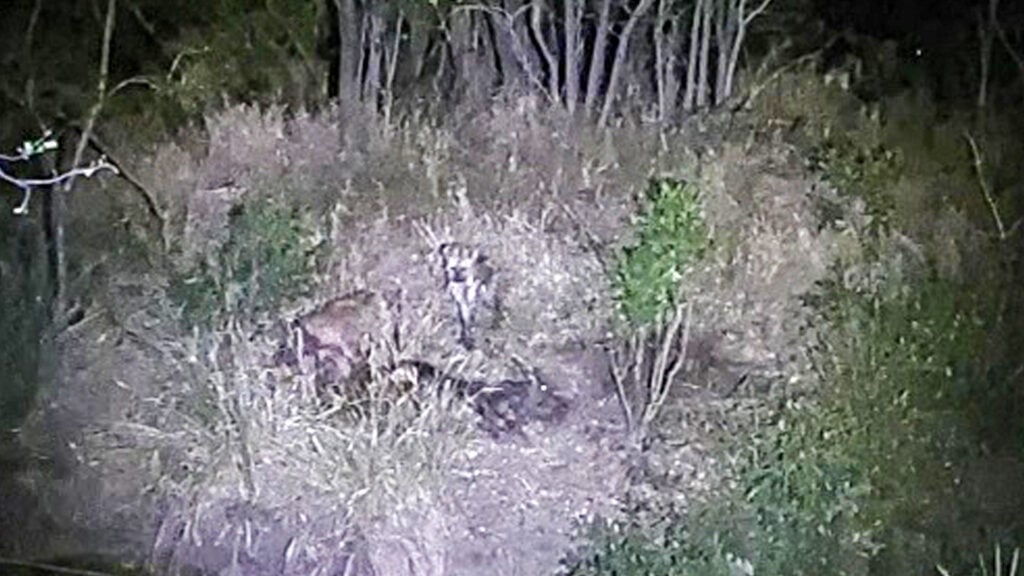
The video later cuts to nighttime, where the scene continues under the light of a flashlight. Though visibility is poor, it is clear that the hyena pack remains at the carcass, steadily consuming what is left.
Get our Best Sightings as they Come in

By this point, the calf is clearly no longer alive, and very little remains of it. Hyenas are efficient consumers, capable of eating skin, bone, and tissue that many other predators leave behind.
Their efficiency plays an important ecological role, ensuring minimal waste in the ecosystem.
A Harsh but Honest Reality
Encounters like this are among the hardest aspects of wildlife observation. They are raw, emotional, and deeply uncomfortable, yet they reflect the reality of life in predator-rich ecosystems like Sabi Sands.
This sighting is a stark reminder that for every dramatic rescue or successful defence, there are countless unseen moments where vulnerability leads to loss. When protection fails, nature moves swiftly and without hesitation.