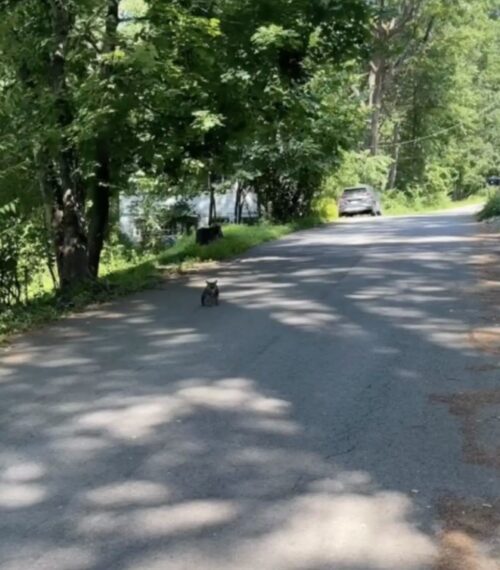














She was making her way down the trail when a sudden flicker of motion drew her attention, a small rust-colored figure weaving carefully through the trees.
At first, the woman from Pennsylvania thought it was nothing more than another forest creature moving along its path. Then she noticed something unusual resting against its neck, and her steps slowed.
A faint shimmer clung to its fur, blending almost perfectly with the scattered leaves on the ground. The animal froze as she did, head bowed, breath quick and shallow.
The scene felt unsettling. She lowered her camera, curiosity shifting swiftly into concern.
In that suspended instant, she realized this was not an ordinary encounter. The animal was quietly pleading for help.
A Cry For Help
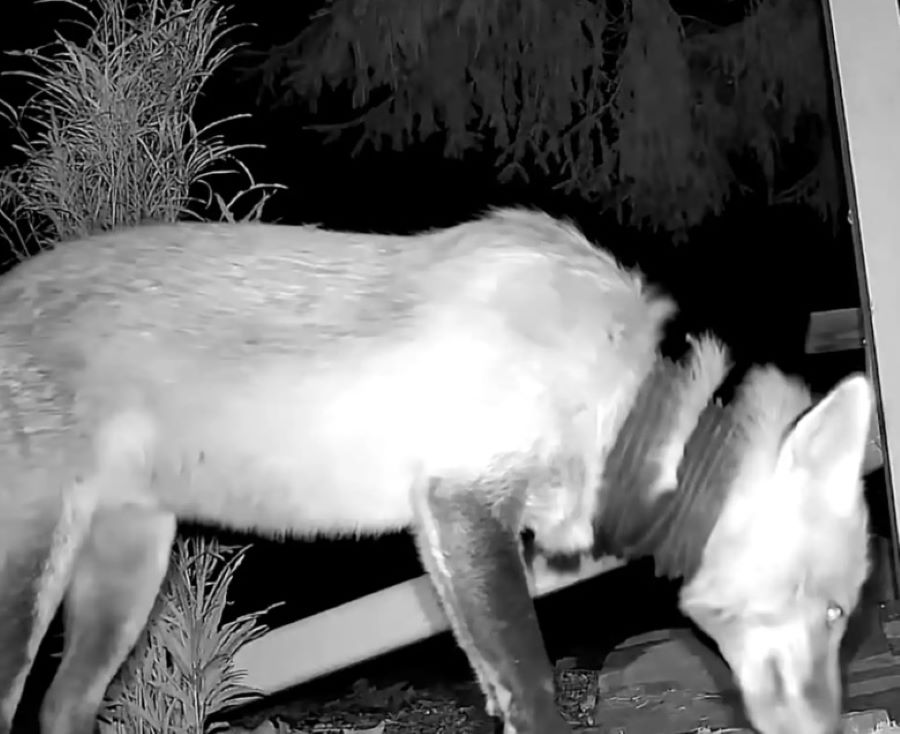
Julie Bernstein’s day began like any other, but looking out her window changed everything. She spotted the animal struggling and immediately recognized it wasn’t a typical encounter.
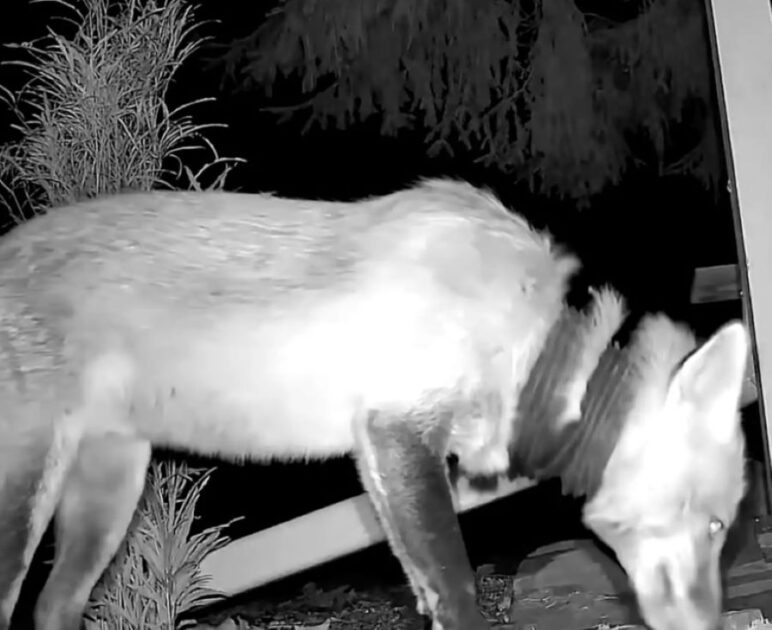
It was a fox, and he had something tight around his neck that clearly shouldn’t be there. Julie called Aark Wildlife Rehabilitation and Education Center (Aark) in Pennsylvania to set up a camera and monitor his movements.
Observing him closely, she realized a piece of tubing had gotten stuck on the fox’s neck, causing significant distress.
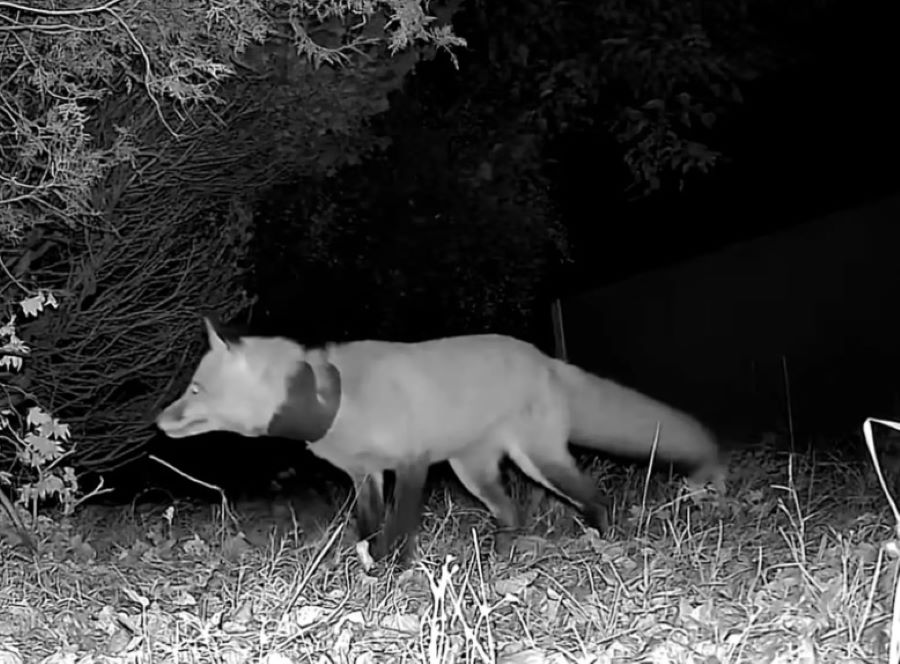
Amanda Leyden, who works at Aark, told The Dodo: “The object around his neck was likely a section of drainage pipe. Small animals sometimes take shelter in these pipes, and a curious fox may stick its head inside to investigate or hunt, only to find itself stuck when trying to back out.”
Aark advised that the safest solution was to capture him so they could provide proper care.
Because he was naturally wary of humans, Julie had to earn his trust first. Her plan was to help him relax and feel safe enough to approach.
Gaining Trust And Ensuring Safety
She established a feeding station near her property and monitored the fox’s behavior closely. Over time, he grew more comfortable around her presence, allowing her to prepare a humane trap.
As days passed, he edged closer to the trap, responding to her patient guidance. She said: “Foxes are extremely intelligent and cautious. So this process took quite a bit of time and patience.”
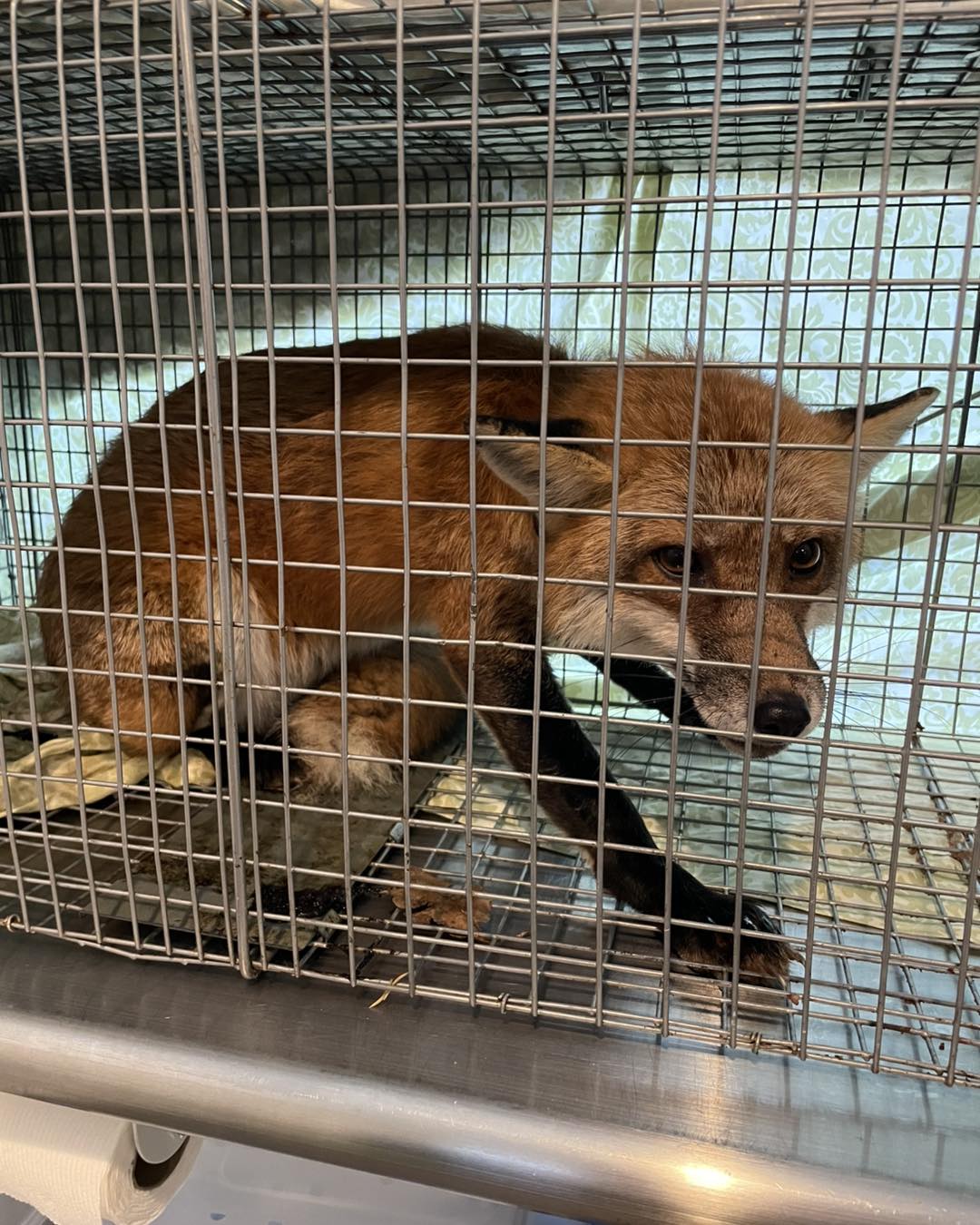
Eventually, he stepped inside, and the rescue succeeded. Julie discovered that the fox, now named Tubey, was in excellent health.
Once secured, he was transported to Aark. The team sedated him carefully and began removing the tubing from his neck.
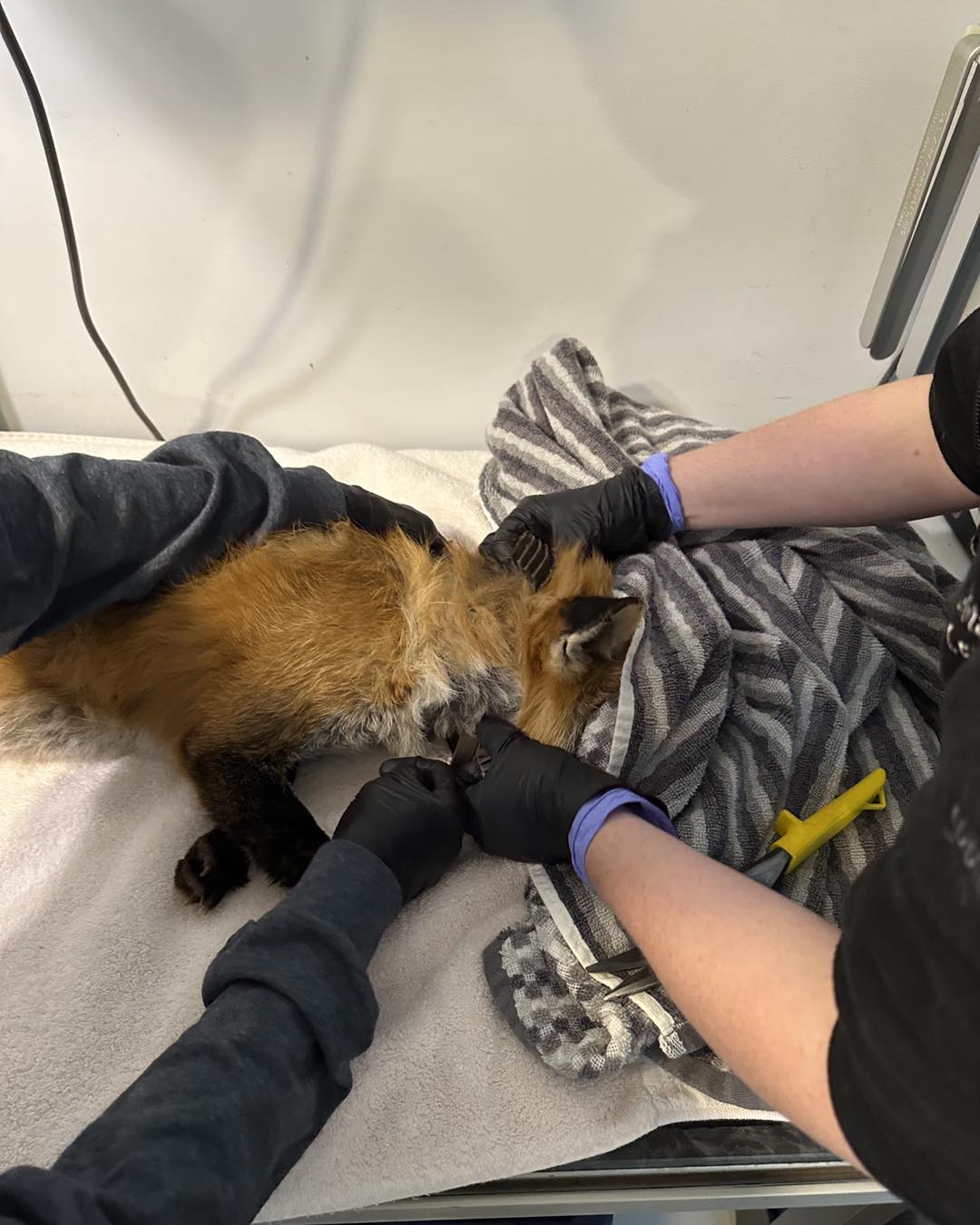
He underwent a thorough health check, but aside from the trapped tube, Tubey was remarkably healthy.
Leyden said: “Once Tubey woke up fully from sedation, he appeared noticeably calmer. He settled comfortably in his crate, alert but no longer panicked, which was a big change from his arrival.”
With the tube removed and all treatments complete, Julie returned Tubey to the spot where she first spotted him, releasing him back into his natural environment.
The outcome was extraordinary, giving the fox a safe return to the wild and a second chance at a normal life.