
















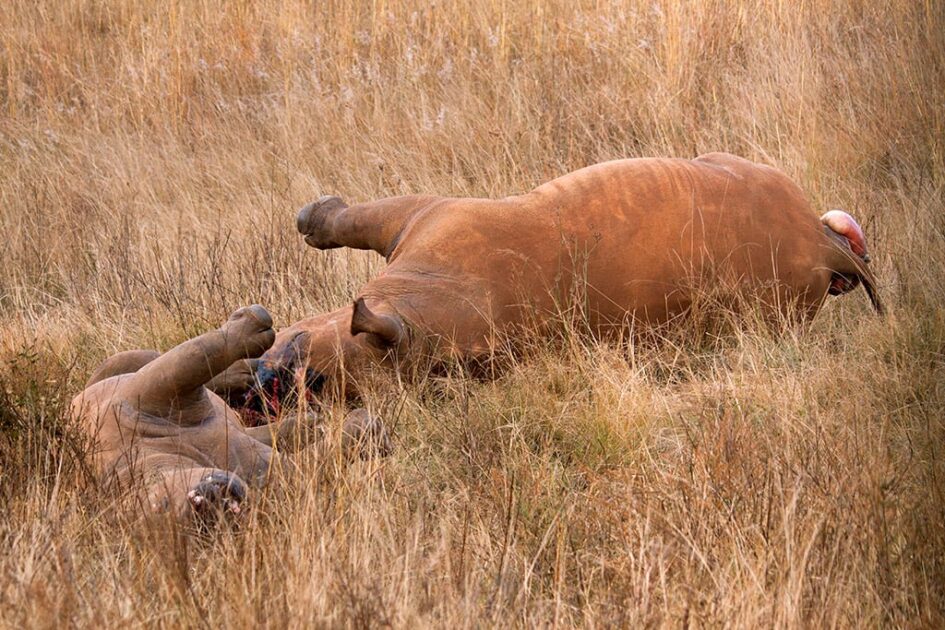

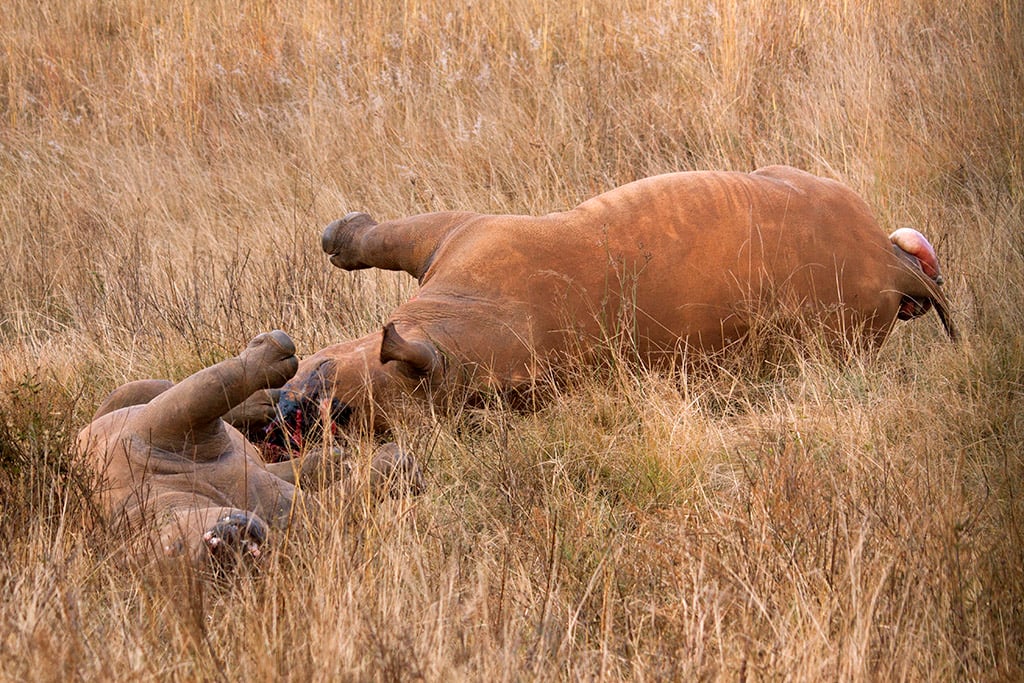
Authorities reported that rhino poaching in South Africa declined in 2025. SANParks announced this following a government statement on 10 February 2026.
South African Government announcement
In his announcement to the press, Minister of Forestry, Fisheries, and the Environment Willie Aucamp said,
South Africa’s anti-poaching and anti-trafficking efforts have yielded a 16% overall decline in rhino poaching in 2025 compared to 2024.
Focus on rhino poaching
Aucamp added that poachers killed a total of 352 rhinos in South Africa during 2025. Of these, poachers killed 266 on state property, while 86 died on privately owned land.
The decrease, he said, constitutes a reduction of 68 rhinos lost compared to 2024, when poachers killed 420 rhinos.
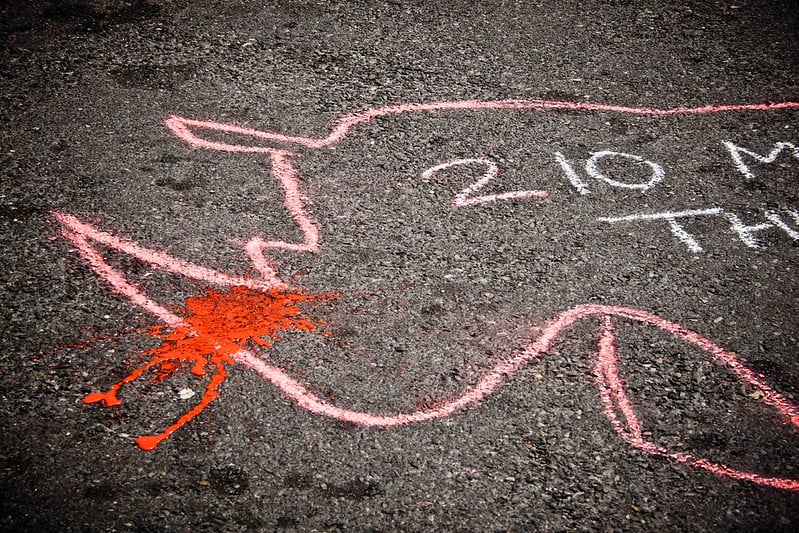
Unfortunately, Mpumalanga, which includes the Kruger Park, recorded the highest losses. He reported that poachers killed 178 animals there last year, 92 more than in 2024.
Even more alarming, poachers slaughtered 175 of these animals in the park.
Once again, this marks a considerable year-on-year increase of 87 animals, relative to the total of 88 deaths reported the previous year.
Encouraging news
Conversely, the means that poachers killed only three rhinos in the reserves that constitute the Greater Kruger, such as the Sabi Sands Game Reserve.
And, as we reported yesterday, SANParks continues its intensive anti-poaching patrols.
And, as was reported in Daily Maverick and Times LIVE, there have been notable successes in KwaZulu-Natal.
South Africa’s anti-poaching and anti-trafficking efforts yielded a 16% overall decline in rhino poaching in 2025 compared to 2024, forestry, fisheries and the environment minister Willie Aucamp said on Tuesday. https://t.co/ksnUzf5FrQ
Data from the Hluhluwe-iMfolozi Park in the province shows a marked decline in rhino poaching. While 198 were lost in 2024, a relatively low 63 died at the hands of poachers in 2025.
The province’s wildlife authority, Ezemvelo KZN Wildlife, attributed the drop in poaching to a closer collaboration between itself and rhino owners in the province.
Collaborative effort
These efforts are aided by the Integrated Wildlife Zones Programme, along with ongoing support from partners such as WWF, Save the Rhino International, Wildlife ACT, and Peace Parks Foundation (PPF).
In the statement, Ezemvelo acknowledged that the dehorning programme begun in 2024 led to the stabilisation of poaching pressures. Furthermore, they enabled more targeted interventions.
Prosecuting poachers
Aucamp went on to relay that there have been some successful prosecutions of those charged with rhino crimes.

He attributed in part to the implementation of the National Integrated Strategy to Combat Wildlife Trafficking (NISCWT), which streamlines cooperation.
A team effort
Aucamp also conveyed gratitude to the private sector for its role in combating poaching.
He said,
“Sustaining this downward trend in rhino poaching requires coordinated and aligned action by government, the private sector, and non-governmental organisations, underpinned by clear objectives.”
Report wildlife-related suspicions to the Environmental Crime Hotline: 0800 205 005 or the SAPS: 10111.