













The secret life of warthogs
Warthogs are among the most recognisable animals of the savanna landscape. With their curved tusks, facial ‘warts’, and surprisingly thin tails that often stick straight up when they run, warthogs may appear awkward at first glance.
However, in reality, they are highly adapted survivors built for life in open grasslands, woodlands, and scrub environments. Their behaviour reflects a balance between feeding efficiency, predator awareness, and social communication, all shaped by the constant pressures of living alongside some of Africa’s most formidable predators.
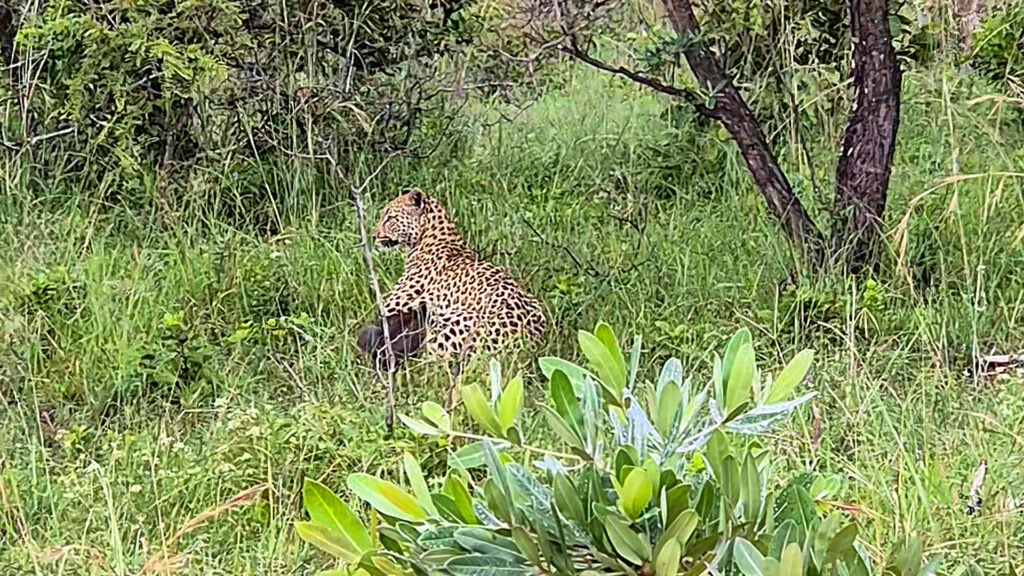
Leopard approaches warthog
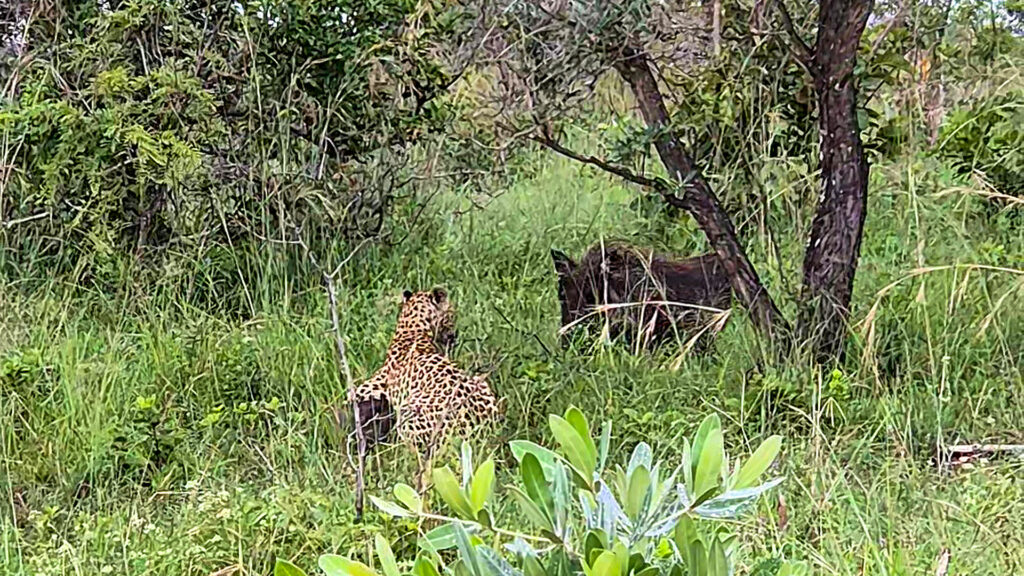
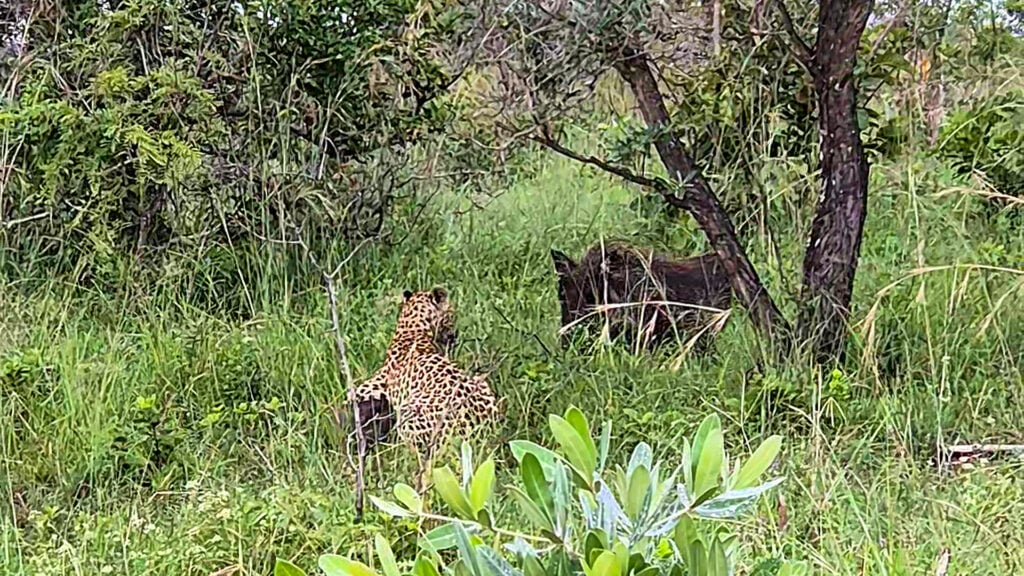
One of these formidable predators is the leopard. From his vehicle, Wikus Olivier watched as a leopard approached a warthog, believing as many game viewers would, that this was the warthog’s final moments.
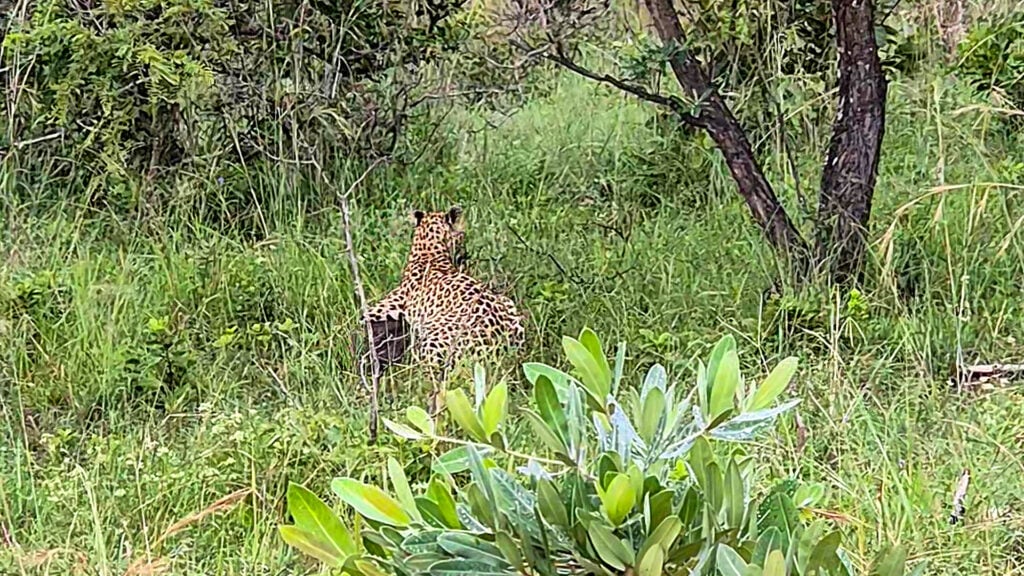
However, the warthog wasn’t about to stay silent about the matter.
The warthog’s behaviour shows how survival in the wild isn’t about being the biggest or strongest animal. Rather, a measure of street-smart bravado is needed!
And so, keeping its wits about it, this warthog started to make a noise, disturbing the peaceful bushveld setting with its loud screams.
Get our Best Sightings as they Come in

The impressive communication skills of warthogs
Warthogs can make very loud, high-pitched squeals or scream-like sounds when they are attacked or extremely frightened. These can be described as as squeals, alarm calls, or distress vocalisations rather than ‘screaming’ in the human sense.
As unassuming as they can appear, warthogs have an impressively wide range of vocal sounds. These use these for communication and they include grunts, snorts, growls, chirps, and high-pitched squeals. These sounds help them communicate danger, social signals, or distress to other warthogs.
When threatened by predators, warthogs are known to squeal loudly as a warning signal to other members of their group and as an expression of distress.
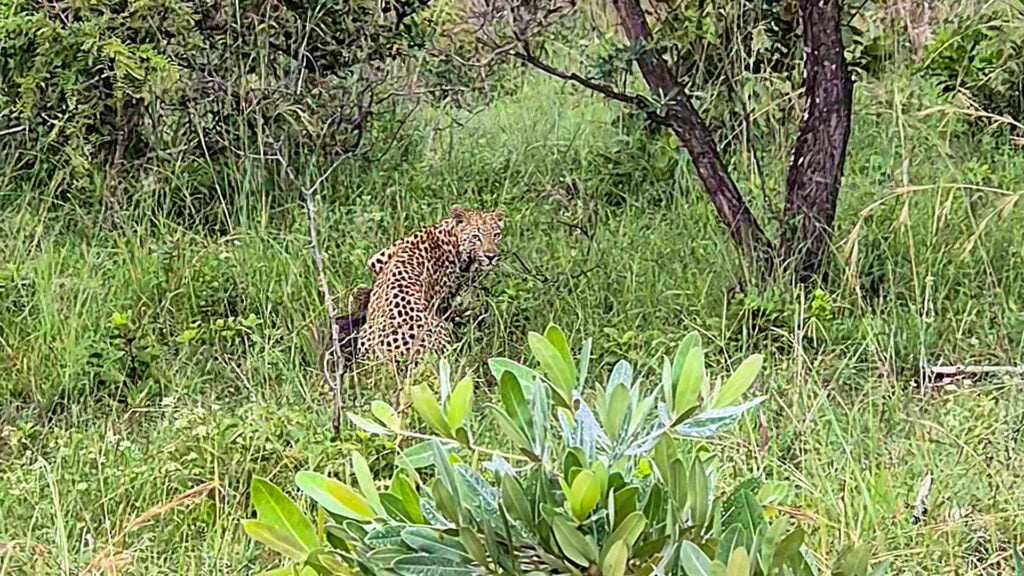
Warthog’s screams cause leopard to hesitate
This warthog made such a racket, the leopard appeared to be suitably confused. The predator looked around, with an expression which suggested, “What’s going on?”
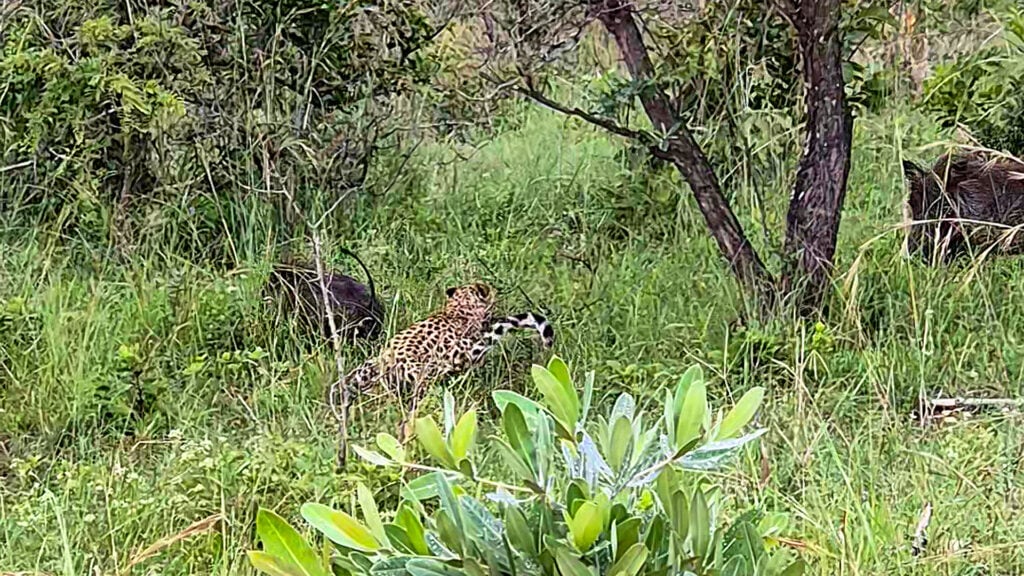
This hesitation gave the screaming warthog the opportunity that it needed and it started to run off into the bush, tail in the air.
The leopard looked at it as it ran away, lunging for it but failing to recapture it.
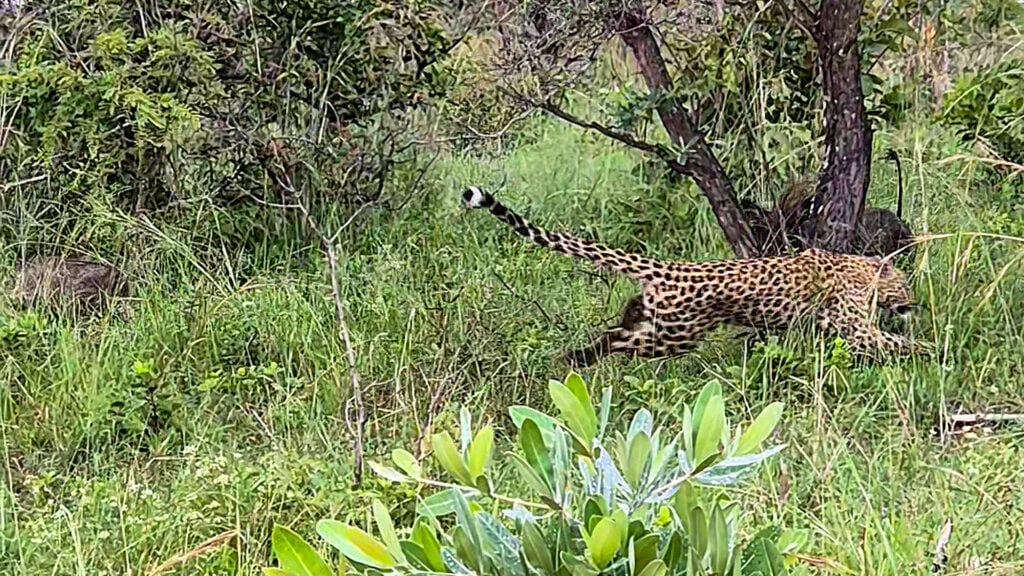
Warthog runs off free and unharmed
This was a leopard which possibly liked its meals a little quieter and more cooperative. This warthog had a pair of lungs on it and had let the leopard know who was boss. It ran off free as a bird, having overcome an enormous challenge. It really goes to show that sometime dynamite does come in small packages!
Today, warthog populations remain stable. In protected areas and national parks, such as the Kruger National Park, they continue to be a familiar and important part of the African wildlife landscape.
Watching a warthog trot across open grass with its tail held high is a reminder of how even animals which appear comical at first glance are actually finely tuned survivors shaped by millions of years of evolution.