
A no-kill animal shelter is a safe haven for animals. Learn what it means to run a no-kill shelter, the challenges faced, and how these shelters save lives.
What It means to Be a No-Kill Animal Shelter
Table of Contents
- What is a No-Kill Animal Shelter?
- Understanding the Philosophy of a No-Kill Shelter
- How Does a No-Kill Animal Shelter Operate?
- The Benefits of No-Kill Animal Shelters
- The Challenges Faced by No-Kill Shelters
- No-Kill Shelter vs. Traditional Shelters
- The Role of Volunteers and Community Support in No-Kill Shelters
- Common Myths About No-Kill Animal Shelters
- How to Support No-Kill Animal Shelters
- Success Stories from No-Kill Shelters
- Conclusion: The Importance of No-Kill Animal Shelters
What is a No-Kill Animal Shelter?
A no-kill animal shelter is an organization dedicated to rescuing and housing homeless animals, with a strict commitment to not euthanizing animals unless they are suffering from terminal illness or are a danger to others. The goal of a no-kill shelter is to save as many lives as possible by providing shelter, medical care, and love until the animals are adopted or placed in suitable homes.
In the modern animal welfare world, the term no-kill shelter is often misunderstood. People may assume that it means that no animal is ever put down, but the reality is more nuanced. No-kill shelters aim to provide a sanctuary where animals are cared for until they find a loving home.
Understanding the Philosophy of a No-Kill Shelter
At the heart of the no-kill shelter philosophy is the belief that every life is worth saving. These shelters focus on positive outcomes for animals, striving to offer medical treatment, rehabilitation, and training for those who need it. They work diligently to maintain a no-kill status by finding new homes for adoptable animals and by collaborating with other rescue organizations to prevent overcrowding.
No-kill shelters also aim to reduce the number of animals in their care by promoting responsible pet ownership, spaying and neutering, and educating the public about adoption. They often operate based on the principle that no animal should be euthanized for reasons of space or convenience, but rather only for valid health or behavioral reasons that make adoption impossible.
How Does a No-Kill Animal Shelter Operate?
A no-kill animal shelter operates much like any other animal shelter, but with a stricter commitment to not euthanizing animals. Here’s how it works:
- Intake and Rescue: These shelters take in stray, abandoned, and surrendered animals. They rescue animals from situations where they might otherwise face euthanasia in a traditional shelter.
- Medical and Behavioral Care: Each animal receives a medical evaluation, vaccinations, and any necessary treatment. Behaviorists may work with the animals to improve their chances of adoption, especially for those with behavioral issues.
- Adoption Programs: Animals are kept in the shelter or placed in foster homes until they are adopted. The shelter promotes adoption through events, online listings, and partnerships with local businesses and organizations.
- Collaboration with Other Rescues: No-kill shelters often work with other rescues, veterinarians, and animal welfare organizations to maximize the number of animals they can save. Some may even transfer animals to other no-kill shelters if they run out of space.
The Benefits of No-Kill Animal Shelters
There are several key benefits of no-kill animal shelters:
- Reduced Euthanasia Rates: One of the most obvious benefits is the reduction in euthanasia rates. Animals are not put down due to lack of space or resources, allowing more animals to find loving homes.
- Improved Public Perception of Animal Shelters: By operating with a no-kill policy, these shelters inspire trust and confidence in the community. They demonstrate a commitment to animal welfare and show that there are alternative solutions to the euthanasia problem.
- Increased Adoptions: With the focus on adoption and rescue, no-kill shelters encourage the community to adopt rather than shop for pets. They often promote the benefits of adopting rescue animals, which can have positive impacts on local animal populations.
- Community Engagement and Education: No-kill shelters often provide educational programs to the public about responsible pet ownership, the importance of spaying and neutering, and the value of adopting shelter animals.
The Challenges Faced by No-Kill Shelters
While no-kill animal shelters do great work, they also face unique challenges:
- Limited Resources: No-kill shelters often operate on tight budgets, relying heavily on donations, grants, and volunteers. Without enough funding, it can be difficult to care for the large number of animals that may need shelter.
- Overcrowding: Despite the no-kill policy, shelters can become overcrowded. This can put pressure on resources and make it more difficult to maintain a high quality of care for the animals.
- Behavioral Issues: Some animals, especially those that have been abused or neglected, may have behavioral issues that make them harder to adopt. Shelters must invest in training programs or behavioral specialists to help these animals find homes.
- Public Perception and Expectations: Some members of the public may have unrealistic expectations about the work of no-kill shelters. They may assume that the shelter can take in every animal in need, even when resources are already stretched thin.
No-Kill Shelter vs. Traditional Shelters
There is a stark difference between no-kill animal shelters and traditional shelters:
- Euthanasia Policies: The most significant difference is the euthanasia policy. In traditional shelters, animals may be euthanized due to overcrowding, illness, or age. In contrast, no-kill shelters refuse to euthanize healthy animals and only do so in cases where it is absolutely necessary.
- Adoption Focus: No-kill shelters prioritize adoption programs and actively work to place animals in homes. While traditional shelters may also have adoption programs, they are often focused more on controlling the pet population, which can lead to higher euthanasia rates.
- Public Perception: No-kill shelters often receive a more positive reputation in the community due to their commitment to saving animals. Traditional shelters, while also doing valuable work, may face more scrutiny because of their euthanasia policies.
The Role of Volunteers and Community Support in No-Kill Shelters
Volunteers are essential to the success of no-kill animal shelters. From walking dogs and socializing cats to assisting with adoption events, volunteers provide valuable support. Additionally, no-kill shelters depend on the local community for donations and public awareness efforts. Financial contributions, pet supplies, and fostering animals are all ways the community can help.
Without a robust volunteer and donor base, no-kill shelters would struggle to maintain their operations. Community support allows these shelters to offer better services, extend their reach, and save more lives.
Common Myths About No-Kill Animal Shelters
There are several misconceptions surrounding no-kill animal shelters:
- Myth 1: No-Kill Shelters Never Euthanize Animals: While the goal is to avoid euthanasia, shelters may have to euthanize animals for medical reasons or if they are dangerous to others.
- Myth 2: No-Kill Shelters Can Take Any Animal: Due to limited space and resources, no-kill shelters cannot accept every animal that is surrendered. They prioritize animals that have a good chance of being adopted.
- Myth 3: No-Kill Shelters Don’t Work with Other Shelters: Many no-kill shelters collaborate with other rescue groups and traditional shelters to maximize their impact.
How to Support No-Kill Animal Shelters
If you want to support no-kill animal shelters, there are several ways you can help:
- Donate: Financial contributions are always needed. No-kill shelters rely on donations to cover medical bills, food, and supplies.
- Volunteer: Offering your time is one of the most valuable ways to contribute. Whether it’s walking dogs, socializing cats, or assisting with events, volunteers are vital.
- Adopt: Consider adopting from a no-kill shelter instead of purchasing from a breeder. By adopting, you are giving a rescued animal a second chance at a happy life.
Success Stories from No-Kill Shelters
Many no-kill shelters have incredible success stories to share. From dogs and cats rescued from neglectful situations to seniors and special needs animals who found loving homes, these stories serve as a reminder of the importance of these shelters. One heartwarming story might be that of a dog rescued from a high-kill shelter and later adopted into a loving home after undergoing medical treatment and behavioral training. These stories help raise awareness and encourage others to support no-kill shelters.
Conclusion: The Importance of No-Kill Animal Shelters
No-kill animal shelters are essential in creating a future where fewer animals are euthanized and more animals find their forever homes. They provide a safe haven for animals who might otherwise not have a chance at life. The dedication, compassion, and hard work of those involved in no-kill shelters continue to make a significant difference in the lives of animals and their communities.
A Neglected Pup Who Was Chained Her Whole Life Melts With Love When She Meets Her New Mom
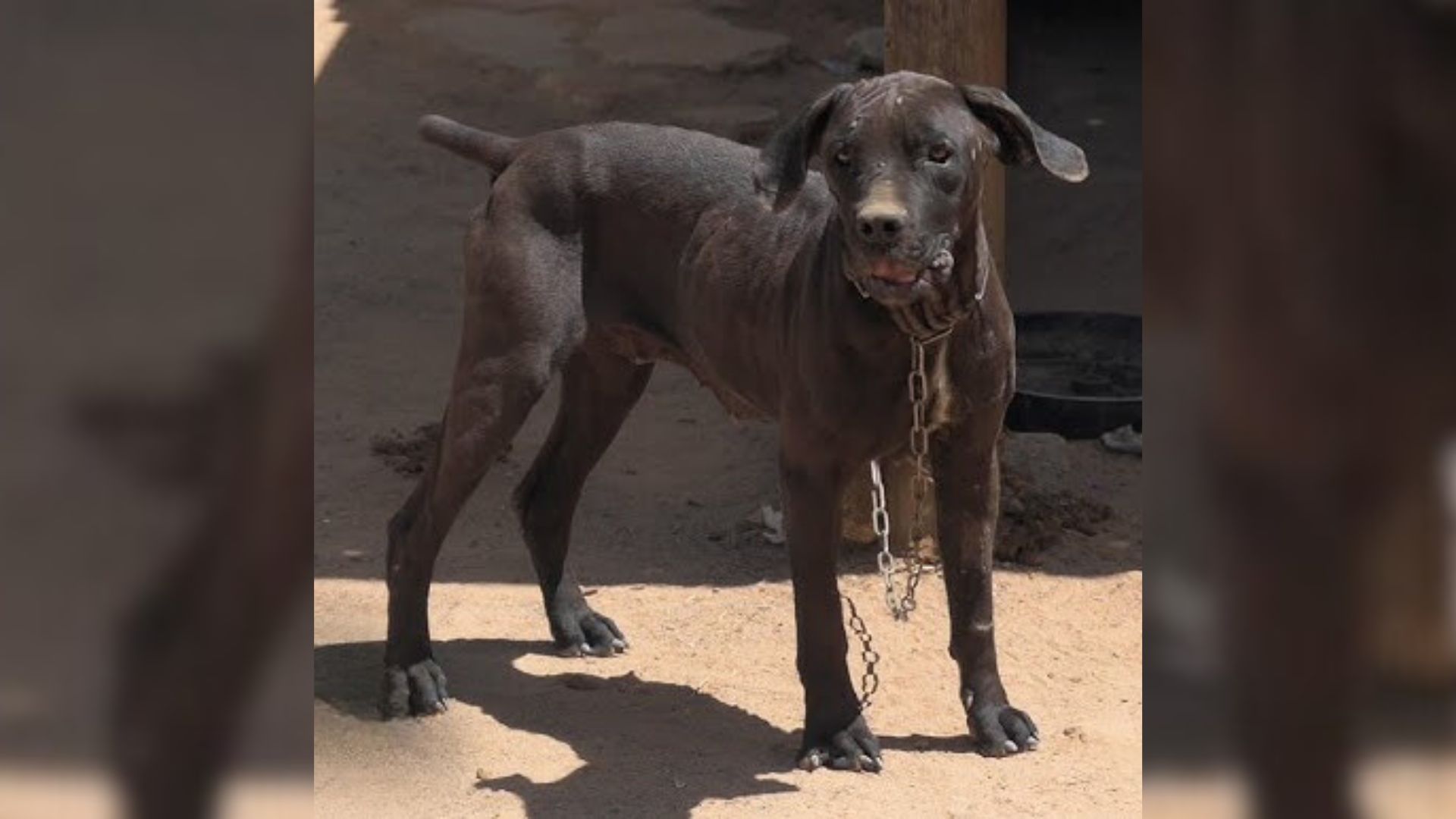
Laila’s life has been nothing but suffering. The pup spent her whole life chained in her owner’s yard because she didn’t get along with her doggy siblings.
Sadly, the canine never knew what love felt like.
Since she lived in such miserable conditions, Laila’s heart became filled with fear. Whenever people approached her, she would start barking.
Laila needed humans who would give her affection and show her that life was beautiful and worth living.
The Pup’s Owner Decides To Surrender Laila
Source: The Dodo
Laila’s owner reached out to Sidewalk Specials, a dog rescue and a mass sterilization unit, asking them to come and help him with his ‘aggressive dog’ Laila.
Rachael, the founder of the organization, along with her team, went to the family address.
When the team arrived and approached the man’s home, Laila spotted them and began barking as loudly as she could
The rescuers’ hearts broke after seeing how neglected and malnourished the doggo was.
Beneath her ‘aggressive’ behavior, they saw a desperate and frightened dog who lacked love.
Source: Sidewalks Specials
The good people sat next to her and began feeding her while speaking to her in a soothing voice. Laila stopped barking.
The good people removed the chains from her neck and Laila breathed a sigh of relief.
The pup’s owner said that he didn’t know how to appease Laila because she was fighting with his other dogs.
After the rescuers offered to take Laila with them and find her a loving home, the owner agreed. He wanted the pup to be loved.
Rachael picked Laila up, promising her that her life would change for the better.
Source: Sidewalks Specials
For the first time, the pup was leaving the yard.
Rachael caressed Laila and helped her get in the car. The pooch sensed that she could trust her heroes.
Laila Flourishes Into A Happy Canine
Source: The Dodo
The rescuer thought of a perfect family for her.
The crew drove the pup to Mary, a wonderful woman with a big heart. They knew that she would love Laila just like she deserved.
Mary sat next to Laila and talked to her, showing her that she wasn’t afraid of her.
Laila wasn’t used to kindness. She kept looking at her new mom and trying to process what was going on.
Since everyone around her was so loving, Laila was calm. The doggo could feel that she was in a safe environment.
Source: Sidewalks Specials
Mary’s kids were delighted with the pup. Their mom taught them that they need to be extremely gentle to Laila.
The children began cuddling the canine and she closed her eyes, taking in the affection she needed so badly.
Source: The Dodo
Mary and her family were grateful to Sidewalk Specials for trusting them with Laila. Their home was humble but it was abundant with love.
After a short time, Rachael and her team visited the dog. They were dazzled with Laila’s transformation. She flourished into a beautiful and healthy pup.
She adored her family and followed her mom everywhere. They became best friends.
Source: Sidewalks Specials
While looking at how happy and affectionate Laila was around her mom, Rachael realized that they were a perfect match.
“It’s that power of belonging, I think. It’s like Laila belongs to Mary. It’s like there’s an invisible forcefield between the two of them. Like, it really is proof that it is the love. And I just feel like I’m almost like a matchmaker,” Rachael told The Dodo.
Thanks to her family’s immense love and care, Laila realized that life was beautiful. She had a blissful smile on her face because she knew that her family would cherish her forever.
Be the first to comment on this article!