
Adopting a senior dog can be a rewarding experience, but it comes with its own unique challenges. Learn what to expect, including health care, emotional needs, and tips for a successful transition.
What to Expect When Adopting a Senior Dog
Adopting a senior dog is an incredibly rewarding experience, but it can also present unique challenges that potential dog parents may not anticipate. Understanding what to expect when adopting a senior dog helps ensure that you’re fully prepared for the adjustments required to make the transition smooth and successful. Whether you’re a first-time dog owner or adding a senior dog to your family, this guide will provide the essential insights you need.
In this article, we will explore everything you should know, from the initial decision-making process to the practical and emotional aspects of adopting an older dog. By the end, you’ll have a clear idea of how to make your home a loving, comfortable place for your new senior companion.
Table of Contents
- Why Adopt a Senior Dog?
- What to Expect When Adopting a Senior Dog: Initial Considerations
- Health Considerations for Senior Dogs
- Behavioral Changes in Senior Dogs
- How to Prepare Your Home for a Senior Dog
- Providing the Best Care for a Senior Dog
- Senior Dog Nutrition and Diet Tips
- How to Establish a Routine with a Senior Dog
- Training and Socialization Tips for Senior Dogs
- Common Myths About Adopting Senior Dogs
- Emotional Needs of Senior Dogs
- Final Thoughts on Adopting a Senior Dog
Why Adopt a Senior Dog?
Adopting a senior dog is one of the most selfless acts of love you can offer an animal in need. Many people gravitate toward puppies when adopting a new pet, but senior dogs offer some unique benefits. Adopting a senior dog is a perfect choice for those who want a calmer, more predictable companion.
Benefits of Adopting a Senior Dog
- Less Training Required: Senior dogs usually have established behaviors, meaning less time spent on housebreaking or basic obedience training.
- Calmer Temperament: Older dogs are generally less hyperactive, making them ideal companions for families, singles, or seniors.
- Gratitude and Bonding: Senior dogs often form deep, lasting bonds with their new families, appreciating the love and care they receive.
What to Expect When Adopting a Senior Dog: Initial Considerations
Before deciding to adopt a senior dog, there are a few important factors to consider. First, it’s important to evaluate whether you’re ready for the responsibilities of caring for a senior pet, which may have special needs. Keep in mind that some senior dogs have health concerns, including arthritis, hearing loss, and vision impairments.
Health Considerations for Senior Dogs
One of the biggest factors to consider when adopting a senior dog is their health. As dogs age, they often face health challenges that require extra care. Regular visits to the vet become even more critical.
Common Health Issues in Senior Dogs
- Arthritis: Many senior dogs experience joint pain and stiffness, which may limit mobility.
- Dental Disease: Dental issues are common in older dogs and may require professional cleaning or extraction.
- Vision and Hearing Loss: These changes are often gradual and may require some modifications to how you communicate with your pet.
- Kidney Disease and Cancer: Senior dogs are more susceptible to certain diseases, which is why regular checkups are so important.
Behavioral Changes in Senior Dogs
Senior dogs may also experience changes in behavior, and it’s essential to understand what to expect. As they age, dogs might become more independent, less active, or even more affectionate as they seek comfort and reassurance.
What Behavioral Changes Can You Expect?
- Increased Resting: As dogs get older, they tend to sleep more, and their energy levels can decrease.
- Slower Movement: Joint stiffness may cause your dog to move slower or hesitate when jumping or climbing stairs.
- Possible Cognitive Decline: Just like humans, dogs can suffer from canine cognitive dysfunction (CCD), leading to confusion or disorientation.
How to Prepare Your Home for a Senior Dog
When preparing your home for a senior dog, it’s important to make adjustments to ensure that your living environment is safe and accessible for your new companion. Consider making changes to their routine and surroundings to accommodate any physical limitations.
Key Adjustments to Make Your Home Senior-Dog-Friendly
- Ramp or Steps: If your dog struggles to jump onto furniture or into the car, consider investing in a ramp or pet steps.
- Non-slip Rugs: To prevent slipping on hard floors, use rugs or mats to create a safer walking surface.
- Comfortable Bed: Ensure that your dog has a soft, supportive bed that accommodates any joint pain they may experience.
Providing the Best Care for a Senior Dog
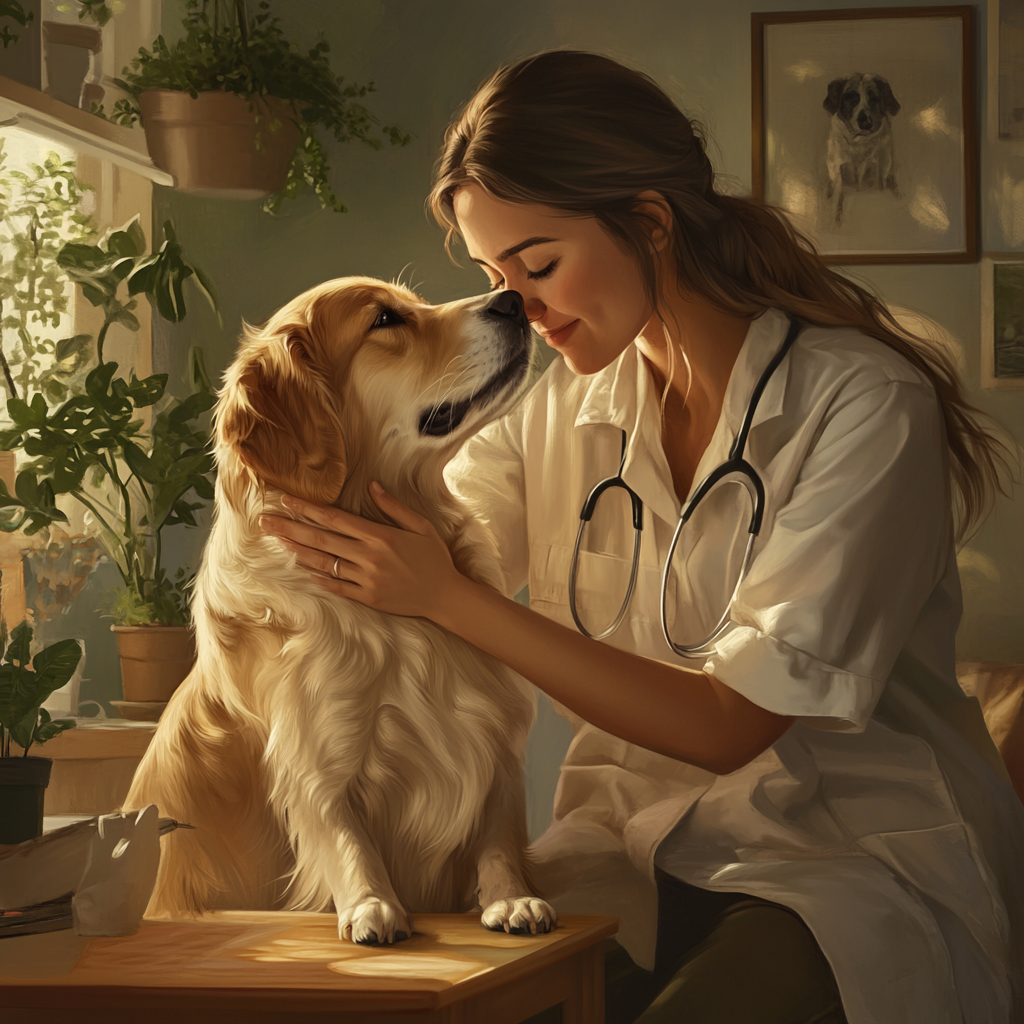
Providing exceptional care for your senior dog involves both emotional and physical well-being. Senior dogs need extra love, attention, and specialized care to thrive in their golden years.
Physical Care Tips for Senior Dogs
- Exercise Regularly: While senior dogs may not be as energetic as they once were, it’s still important to provide regular, gentle exercise.
- Monitor Weight: Weight management is crucial, as excess weight can exacerbate health problems like arthritis.
- Manage Pain: Talk to your vet about medications or supplements that can help with pain management.
Senior Dog Nutrition and Diet Tips
A senior dog’s nutritional needs differ from those of a younger dog. Specialized senior dog food can help address issues like joint health, weight management, and digestive health.
Important Dietary Considerations
- Joint Support: Look for foods rich in omega-3 fatty acids and glucosamine to help maintain joint health.
- Weight Management: Many senior dogs are less active, so you may need to adjust their caloric intake to prevent obesity.
- Digestive Health: Choose high-fiber foods that aid in digestion, especially if your dog has a sensitive stomach.
How to Establish a Routine with a Senior Dog
Establishing a consistent routine is essential for a senior dog’s well-being. This will help them feel secure and understand what to expect each day.
Key Aspects of a Senior Dog’s Routine
- Regular Feeding Schedule: Consistency in meal times is crucial.
- Routine Walks: Even though your senior dog may not be able to walk as far, daily strolls are important for mental stimulation and light exercise.
- Dedicated Rest Time: Ensure that your senior dog has a quiet, comfortable space to rest and recover.
Training and Socialization Tips for Senior Dogs
Training and socialization are still important for senior dogs, even though they may have lived a portion of their lives with established habits.
Training Tips for Senior Dogs
- Positive Reinforcement: Use treats and praise to encourage desirable behaviors.
- Patience: Older dogs may take longer to adjust to new commands or routines, so patience is key.
- Socialization: Even though senior dogs may be more set in their ways, it’s still important to expose them to new experiences, sounds, and people.
Common Myths About Adopting Senior Dogs
There are several myths surrounding the adoption of senior dogs, and it’s important to dispel these misconceptions to make informed decisions.
Myth 1: Senior Dogs Are Too Set in Their Ways
This is a common myth. While senior dogs may have established habits, they are often adaptable and eager to bond with a new family.
Myth 2: Senior Dogs Don’t Have Much Time Left
Many senior dogs can live for several more years, especially with proper care and attention.
Emotional Needs of Senior Dogs
Senior dogs require emotional care just as much as they need physical care. As dogs age, they often seek comfort, security, and affection. Being mindful of their emotional needs will help ensure a happy and healthy life in their senior years.
How to Address Your Senior Dog’s Emotional Needs
- Offer Reassurance: Senior dogs may feel more vulnerable, so providing comfort through cuddling and attention is essential.
- Reduce Anxiety: Keep their environment stable and calm, and try to minimize stressors.
- Engage in Bonding Activities: Simple activities like petting, talking, and spending quality time together can strengthen your bond.
Final Thoughts on Adopting a Senior Dog
Adopting a senior dog can be one of the most fulfilling experiences of your life. While they may come with challenges, they also offer unmatched companionship and loyalty. By understanding what to expect when adopting a senior dog, you can make their transition into your home as smooth as possible, providing them with a loving and comfortable environment for their golden years.
4 Signs & Symptoms of Cancer in Dogs: What Every Pet Owner Should Know
Learn about 4 signs & symptoms of cancer in dogs. Early detection can make a significant difference in your pet’s health. Find out how to identify cancer in your dog and what to do next.
4 Signs & Symptoms of Cancer in Dogs: What Every Pet Owner Should Know
Table of Contents
- Introduction: Understanding Cancer in Dogs
- What is Cancer in Dogs?
- The 4 Signs & Symptoms of Cancer in Dogs
- Sign #1: Unexplained Lumps or Bumps
- Sign #2: Sudden Weight Loss
- Sign #3: Changes in Appetite or Drinking Habits
- Sign #4: Persistent Coughing or Difficulty Breathing
- How to Respond if You Spot Signs of Cancer in Your Dog
- Diagnosis and Treatment Options
- Conclusion: The Importance of Early Detection in Cancer in Dogs
- For More Pet-Related Articles and Resources
Introduction: Understanding Cancer in Dogs
Cancer in dogs is a serious concern that every pet owner should be aware of. Early detection of cancer can improve the chances of successful treatment and a better quality of life for your furry friend. Knowing the signs & symptoms of cancer in dogs is key to recognizing the disease as early as possible. This post will guide you through the most common signs and symptoms, so you can help your dog get the care they need when it matters most.
What is Cancer in Dogs?
Cancer is a general term used for diseases that involve abnormal cell growth. In dogs, these cells can form tumors or spread to other parts of the body. Just like in humans, cancer in dogs can be quite diverse. It may affect any organ or tissue, including bones, lymph nodes, and organs like the liver, lungs, and skin. Common types of cancer in dogs include lymphoma, mast cell tumors, osteosarcoma, and mammary cancer.
Recognizing the signs & symptoms of cancer in dogs early on can greatly improve the chances of survival, as early intervention may lead to more effective treatments.
The 4 Signs & Symptoms of Cancer in Dogs
Sign #1: Unexplained Lumps or Bumps
One of the most noticeable signs & symptoms of cancer in dogs is the appearance of unexplained lumps or bumps on the skin or under the fur. Tumors may feel firm or soft, and they can vary in size. Not all lumps are cancerous, but any new lump or growth that appears suddenly or changes in size should be checked by a veterinarian. Common types of lumps associated with cancer include lipomas, mast cell tumors, and sarcomas.
What to Do:
If you notice any lumps or bumps on your dog, schedule an appointment with your vet. A fine needle aspiration or biopsy may be required to determine whether the lump is benign or cancerous.
Sign #2: Sudden Weight Loss
Unexpected weight loss is another important sign & symptom of cancer in dogs. If your dog is losing weight despite having a normal appetite or even eating more than usual, it could be an indication that something is wrong. Cancerous tumors can cause a decrease in appetite or alter the dog’s metabolism, leading to weight loss. Some cancers also cause internal bleeding, which can contribute to weight loss.
What to Do:
If your dog’s weight loss is noticeable or significant, take them to the vet for a thorough examination. Blood tests, x-rays, or ultrasounds may be needed to identify any underlying conditions, including cancer.
Sign #3: Changes in Appetite or Drinking Habits
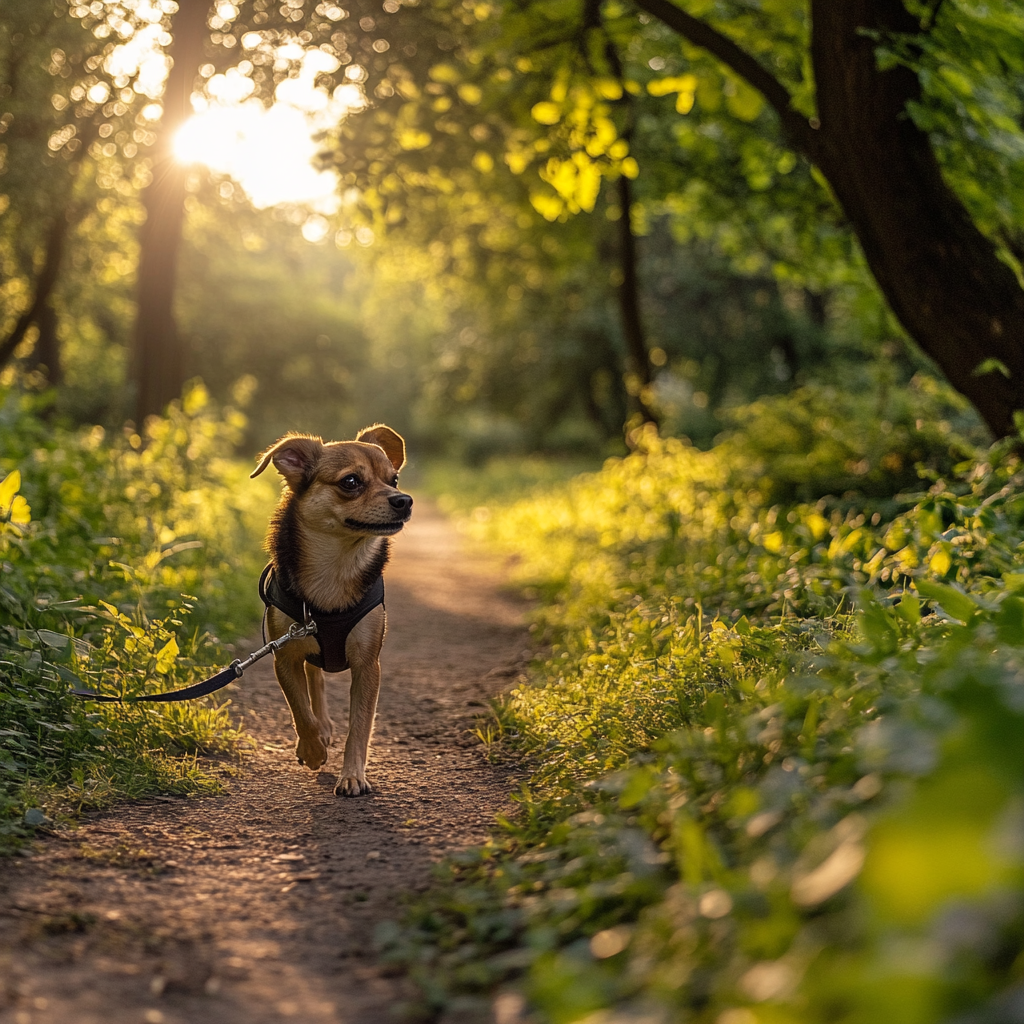
A decrease in appetite, or an increase in thirst, can be concerning signs & symptoms of cancer in dogs. Some cancers can interfere with digestion or cause nausea, leading to a loss of appetite. Similarly, certain cancers, especially those affecting the kidneys or liver, can lead to excessive thirst and urination. Both of these changes should be closely monitored.
What to Do:
Keep track of any changes in your dog’s eating and drinking habits. If the issue persists for more than a few days, consult your veterinarian. Tests may be conducted to rule out cancer or other conditions like kidney disease or diabetes.
Sign #4: Persistent Coughing or Difficulty Breathing
Persistent coughing, wheezing, or difficulty breathing can be a serious sign & symptom of cancer in dogs, especially if the dog has no history of respiratory issues. Lung cancer, or cancers that affect the chest area, can cause fluid buildup or obstructions in the airways, leading to coughing or labored breathing. Dogs with this symptom may also exhibit lethargy or weakness.
What to Do:
If your dog has a persistent cough or is struggling to breathe, it’s important to consult your vet immediately. An x-ray or CT scan may be needed to diagnose the problem and determine if cancer is the cause.
How to Respond if You Spot Signs of Cancer in Your Dog
If you notice any of the signs & symptoms of cancer in dogs, it’s essential to act quickly. Early diagnosis and treatment are crucial for improving your dog’s prognosis. The first step is to schedule an appointment with your veterinarian for a complete check-up. Your vet will perform diagnostic tests, such as blood work, imaging (x-rays, ultrasounds), or biopsy, to determine the presence of cancer.
Once cancer is diagnosed, your vet may recommend surgery, chemotherapy, radiation, or palliative care, depending on the type and stage of the cancer. Supportive care, such as pain management and dietary changes, can also improve your dog’s quality of life during treatment.
Diagnosis and Treatment Options
After detecting the signs & symptoms of cancer in dogs, the next step is diagnosis. Depending on the type of cancer suspected, diagnostic methods may vary. Your veterinarian may suggest:
- Blood tests to check for abnormal cell counts or markers.
- X-rays or ultrasounds to identify tumors or internal growths.
- CT or MRI scans for a more detailed view of internal structures.
- Biopsies to determine whether a lump or mass is malignant.
Treatment for cancer in dogs often involves a combination of surgery, chemotherapy, and/or radiation. The exact treatment plan depends on the cancer’s location, stage, and overall prognosis. In some cases, alternative therapies such as acupuncture or herbal remedies may also be used to support your dog’s health during treatment.
Conclusion: The Importance of Early Detection in Cancer in Dogs
Recognizing the signs & symptoms of cancer in dogs early on is essential for giving your pet the best possible chance at recovery. Cancer treatment has come a long way, and with timely intervention, many dogs can live comfortable, fulfilling lives even after a cancer diagnosis. Always trust your instincts as a pet owner—if you notice something unusual in your dog’s behavior, don’t hesitate to consult your vet.
Remember, early detection is key!






Be the first to comment on this article!