
Is a dog’s mouth cleaner than a human’s? Find out in this detailed guide exploring the science behind canine and human oral health. Discover surprising facts and insights on dog and human mouth hygiene.
Is A Dog’s Mouth Cleaner Than A Human’s Mouth? The Truth Revealed
Is a dog’s mouth cleaner than a human’s mouth? This question has puzzled pet owners, veterinarians, and even scientists for years. Popular myths and misconceptions often tell us that dogs have cleaner mouths than humans, but how true is that? In this article, we will explore the differences between dog and human oral hygiene, the types of bacteria present in both, and what modern science has to say about the cleanliness of each. Buckle up, because this topic might be more complex—and surprising—than you think!
Table of Contents
- What Does It Mean for a Mouth to Be “Clean”?
- Is a Dog’s Mouth Cleaner Than a Human’s? The Bacterial Comparison
- Understanding the Role of Saliva in Oral Cleanliness
- Dog Mouth Hygiene: The Facts Behind a Dog’s Mouth
- How Do Dogs Maintain Oral Hygiene Naturally?
- Are There More Dangerous Bacteria in a Dog’s Mouth?
- Human Mouth Health vs. Dog Mouth Health
- What Makes Dogs’ Mouths “Cleaner” in Popular Belief?
- The Role of Diet in Dog and Human Mouth Health
- Common Oral Diseases in Dogs and Humans
- How to Keep Your Dog’s Mouth Clean: Tips for Pet Owners
- How to Improve Human Oral Hygiene to Compete with Dogs
- Scientific Studies on Dog and Human Mouth Cleanliness
- Is It Safe to Let Your Dog Lick You?
- Conclusion: So, Is a Dog’s Mouth Cleaner Than a Human’s?
What Does It Mean for a Mouth to Be “Clean”?
When we ask if a dog’s mouth is cleaner than a human’s, we first need to understand what it means for a mouth to be “clean.” A clean mouth typically means a lack of harmful bacteria, plaque, and food particles that can lead to bad breath, gum disease, or other oral health issues. But cleanliness isn’t just about the absence of bad stuff—it’s about the presence of good bacteria that promote oral health and help maintain a healthy balance of microorganisms.
In humans, oral cleanliness is usually managed by regular brushing, flossing, and professional cleanings at the dentist. However, for dogs, their natural behaviors like chewing and the composition of their saliva play a big role in how clean their mouths stay.
Is a Dog’s Mouth Cleaner Than a Human’s? The Bacterial Comparison
When it comes to comparing a dog’s mouth to a human’s, one of the main factors we must consider is the bacteria found in each. Scientifically, the human mouth is home to a complex ecosystem of more than 700 different species of bacteria. The types of bacteria in humans vary greatly depending on diet, lifestyle, and hygiene habits.
In comparison, a dog’s mouth contains fewer types of bacteria. While both human and dog mouths have bacteria that can cause bad breath, dog mouths typically have a different variety of microorganisms. Some of the bacteria in a dog’s mouth are even beneficial for their health, aiding in digestion and overall immune function. However, certain strains of bacteria, like Capnocytophaga canimorsus, can be harmful to humans if transmitted through bites or licks.
Understanding the Role of Saliva in Oral Cleanliness
Saliva plays an important role in keeping both human and dog mouths clean. In humans, saliva helps break down food particles and neutralizes acids that could lead to tooth decay. Saliva also helps wash away harmful bacteria that can accumulate in the mouth.
Dogs’ saliva also contains enzymes and antibacterial compounds that help break down food particles, reduce bacterial growth, and keep their mouths relatively free from infection. However, unlike human saliva, which is specifically designed to assist with oral hygiene, dogs’ saliva is more focused on digestion. This difference may contribute to the misconception that dog mouths are cleaner—they are designed to aid in digestion, not necessarily hygiene.
Dog Mouth Hygiene: The Facts Behind a Dog’s Mouth
While dogs have natural mechanisms that help keep their mouths cleaner than they might appear, they are not immune to poor oral hygiene. Dogs are prone to periodontal disease, gum issues, and bad breath, especially if they are not regularly cared for. This includes the buildup of tartar, plaque, and the potential for infection.
Veterinarians recommend regular teeth brushing for dogs, just like humans, to maintain optimal oral health. Special dog toothbrushes and dog-friendly toothpaste can help remove plaque, reduce bad breath, and lower the risk of oral diseases.
How Do Dogs Maintain Oral Hygiene Naturally?
Dogs’ natural behaviors, such as chewing on bones or sticks, help remove food debris and prevent plaque buildup. Additionally, their diet plays a significant role in their oral hygiene. Many commercially available dog foods are designed to promote dental health by being crunchy, helping to scrape plaque off the teeth as the dog chews.
While these natural habits help keep a dog’s mouth cleaner than it would be otherwise, they still require human intervention to ensure their mouths remain healthy. Regular vet checkups, dental toys, and even professional cleanings are essential for maintaining a dog’s oral hygiene.
Are There More Dangerous Bacteria in a Dog’s Mouth?
While some people believe that a dog’s mouth is full of harmful bacteria, studies show that the types of bacteria in dogs’ mouths are not significantly different from those found in humans. Some bacteria found in a dog’s mouth may be harmful to humans, especially in the case of infections from dog bites, but the presence of bacteria does not necessarily mean that a dog’s mouth is “dirtier.”
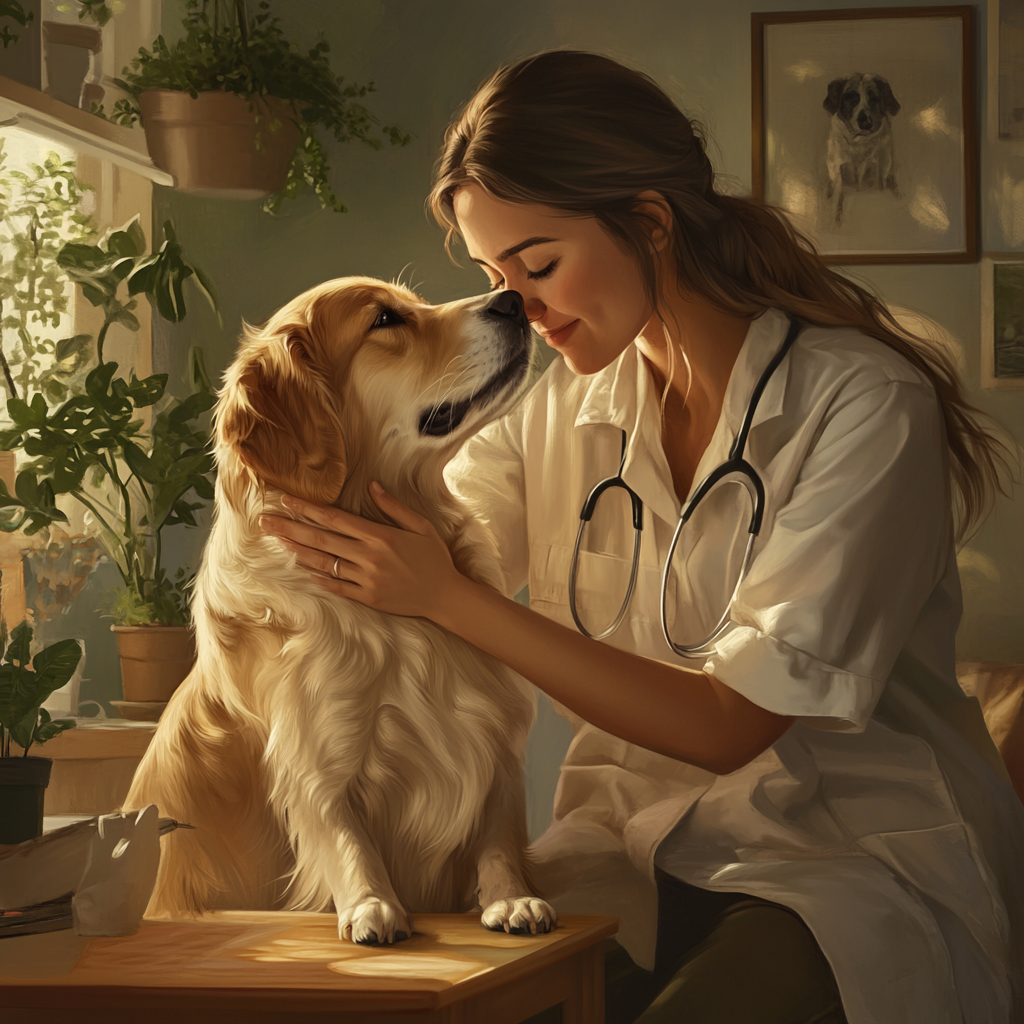
However, one particular bacteria, Capnocytophaga canimorsus, which resides in the mouths of many dogs, has been known to cause infections in humans, especially in those with weakened immune systems. While it is rare, it’s a good reminder that while dogs may not have “dirtier” mouths, caution is always necessary when interacting closely with your pet.
Human Mouth Health vs. Dog Mouth Health
When comparing human and dog mouth health, it’s important to recognize that both species experience unique oral health challenges. Humans are more prone to cavities, gum disease, and oral cancer due to our diet and lifestyle, which includes sugar, processed foods, and lack of proper oral care. In contrast, dogs are more likely to develop periodontal disease and tooth decay, particularly as they age.
Human mouths also have a more diverse range of bacteria, some of which can contribute to diseases like gingivitis, periodontitis, and tooth loss. Meanwhile, dogs, though they don’t suffer from cavities as often, are still susceptible to gum disease and tooth infections.
What Makes Dogs’ Mouths “Cleaner” in Popular Belief?
The idea that a dog’s mouth is cleaner than a human’s likely stems from the fact that dogs often lick their wounds, and some people have observed dogs licking their owners’ wounds to “clean” them. In truth, while dog saliva has antibacterial properties, it doesn’t eliminate harmful bacteria in the way people often think. A dog’s mouth is no cleaner than a human’s from a microbiological standpoint—it’s just different.
The Role of Diet in Dog and Human Mouth Health
Diet plays a key role in both human and dog mouth health. For dogs, a healthy diet rich in vitamins and minerals can help keep teeth and gums strong. Similarly, human diets high in fiber, calcium, and other nutrients can improve oral health. Unfortunately, processed foods, sugary snacks, and even certain “human” foods can increase the risk of oral problems for both dogs and humans.
When it comes to preventing tooth decay and gum disease, both species benefit from diets that promote oral health. For dogs, specialized dental food or treats designed to clean teeth can help reduce plaque buildup.
Common Oral Diseases in Dogs and Humans
Both dogs and humans are susceptible to various oral diseases. Some common oral health problems include:
- Humans: Cavities, gingivitis, periodontitis, oral cancer, and bad breath.
- Dogs: Periodontal disease, gum infections, tooth abscesses, and bad breath.
In both cases, maintaining proper oral hygiene through regular brushing and professional cleanings can significantly reduce the risk of these conditions.
How to Keep Your Dog’s Mouth Clean: Tips for Pet Owners
If you’re concerned about your dog’s oral health, there are several things you can do to help maintain a cleaner mouth:
- Brush your dog’s teeth regularly with a pet-safe toothbrush and toothpaste.
- Provide dental treats or chews to help remove plaque and tartar.
- Visit the vet regularly for professional cleanings and checkups.
- Feed your dog a balanced diet designed to promote oral health.
How to Improve Human Oral Hygiene to Compete with Dogs
If you want your mouth to be cleaner than a dog’s, adopting a more rigorous oral care routine is key:
- Brush at least twice a day with fluoride toothpaste.
- Floss daily to remove food particles and plaque from between your teeth.
- Use mouthwash to help kill harmful bacteria and freshen your breath.
- Visit your dentist regularly for professional cleanings and checkups.
Scientific Studies on Dog and Human Mouth Cleanliness
While there have been numerous studies on the bacteria found in human mouths, research on the cleanliness of dog mouths is somewhat limited. However, what we do know is that both dogs and humans harbor various bacteria, and neither species’ mouth can be considered “clean” in the strictest sense. Both need regular care to stay healthy.
Is It Safe to Let Your Dog Lick You?
The question of whether it is safe to let your dog lick you is one that many pet owners wonder about. While the majority of bacteria in a dog’s mouth are not harmful to humans, there are still risks, particularly from infections like Capnocytophaga canimorsus or Salmonella. If you have a weakened immune system, it’s best to avoid letting your dog lick your face or open wounds.
Conclusion: So, Is a Dog’s Mouth Cleaner Than a Human’s?
In conclusion, while it’s often said that a dog’s mouth is cleaner than a human’s, the truth is a bit more nuanced. Both dog and human mouths contain bacteria, but their compositions differ. Dogs have fewer bacteria species than humans, and while their saliva does contain antibacterial properties, it doesn’t mean their mouths are significantly cleaner. Just like humans, dogs need regular dental care to keep their mouths healthy.
4 Signs & Symptoms of Cancer in Dogs: What Every Pet Owner Should Know
Learn about 4 signs & symptoms of cancer in dogs. Early detection can make a significant difference in your pet’s health. Find out how to identify cancer in your dog and what to do next.
4 Signs & Symptoms of Cancer in Dogs: What Every Pet Owner Should Know
Table of Contents
- Introduction: Understanding Cancer in Dogs
- What is Cancer in Dogs?
- The 4 Signs & Symptoms of Cancer in Dogs
- Sign #1: Unexplained Lumps or Bumps
- Sign #2: Sudden Weight Loss
- Sign #3: Changes in Appetite or Drinking Habits
- Sign #4: Persistent Coughing or Difficulty Breathing
- How to Respond if You Spot Signs of Cancer in Your Dog
- Diagnosis and Treatment Options
- Conclusion: The Importance of Early Detection in Cancer in Dogs
- For More Pet-Related Articles and Resources
Introduction: Understanding Cancer in Dogs
Cancer in dogs is a serious concern that every pet owner should be aware of. Early detection of cancer can improve the chances of successful treatment and a better quality of life for your furry friend. Knowing the signs & symptoms of cancer in dogs is key to recognizing the disease as early as possible. This post will guide you through the most common signs and symptoms, so you can help your dog get the care they need when it matters most.
What is Cancer in Dogs?
Cancer is a general term used for diseases that involve abnormal cell growth. In dogs, these cells can form tumors or spread to other parts of the body. Just like in humans, cancer in dogs can be quite diverse. It may affect any organ or tissue, including bones, lymph nodes, and organs like the liver, lungs, and skin. Common types of cancer in dogs include lymphoma, mast cell tumors, osteosarcoma, and mammary cancer.
Recognizing the signs & symptoms of cancer in dogs early on can greatly improve the chances of survival, as early intervention may lead to more effective treatments.
The 4 Signs & Symptoms of Cancer in Dogs
Sign #1: Unexplained Lumps or Bumps
One of the most noticeable signs & symptoms of cancer in dogs is the appearance of unexplained lumps or bumps on the skin or under the fur. Tumors may feel firm or soft, and they can vary in size. Not all lumps are cancerous, but any new lump or growth that appears suddenly or changes in size should be checked by a veterinarian. Common types of lumps associated with cancer include lipomas, mast cell tumors, and sarcomas.
What to Do:
If you notice any lumps or bumps on your dog, schedule an appointment with your vet. A fine needle aspiration or biopsy may be required to determine whether the lump is benign or cancerous.
Sign #2: Sudden Weight Loss
Unexpected weight loss is another important sign & symptom of cancer in dogs. If your dog is losing weight despite having a normal appetite or even eating more than usual, it could be an indication that something is wrong. Cancerous tumors can cause a decrease in appetite or alter the dog’s metabolism, leading to weight loss. Some cancers also cause internal bleeding, which can contribute to weight loss.
What to Do:
If your dog’s weight loss is noticeable or significant, take them to the vet for a thorough examination. Blood tests, x-rays, or ultrasounds may be needed to identify any underlying conditions, including cancer.
Sign #3: Changes in Appetite or Drinking Habits

A decrease in appetite, or an increase in thirst, can be concerning signs & symptoms of cancer in dogs. Some cancers can interfere with digestion or cause nausea, leading to a loss of appetite. Similarly, certain cancers, especially those affecting the kidneys or liver, can lead to excessive thirst and urination. Both of these changes should be closely monitored.
What to Do:
Keep track of any changes in your dog’s eating and drinking habits. If the issue persists for more than a few days, consult your veterinarian. Tests may be conducted to rule out cancer or other conditions like kidney disease or diabetes.
Sign #4: Persistent Coughing or Difficulty Breathing
Persistent coughing, wheezing, or difficulty breathing can be a serious sign & symptom of cancer in dogs, especially if the dog has no history of respiratory issues. Lung cancer, or cancers that affect the chest area, can cause fluid buildup or obstructions in the airways, leading to coughing or labored breathing. Dogs with this symptom may also exhibit lethargy or weakness.
What to Do:
If your dog has a persistent cough or is struggling to breathe, it’s important to consult your vet immediately. An x-ray or CT scan may be needed to diagnose the problem and determine if cancer is the cause.
How to Respond if You Spot Signs of Cancer in Your Dog
If you notice any of the signs & symptoms of cancer in dogs, it’s essential to act quickly. Early diagnosis and treatment are crucial for improving your dog’s prognosis. The first step is to schedule an appointment with your veterinarian for a complete check-up. Your vet will perform diagnostic tests, such as blood work, imaging (x-rays, ultrasounds), or biopsy, to determine the presence of cancer.
Once cancer is diagnosed, your vet may recommend surgery, chemotherapy, radiation, or palliative care, depending on the type and stage of the cancer. Supportive care, such as pain management and dietary changes, can also improve your dog’s quality of life during treatment.
Diagnosis and Treatment Options
After detecting the signs & symptoms of cancer in dogs, the next step is diagnosis. Depending on the type of cancer suspected, diagnostic methods may vary. Your veterinarian may suggest:
- Blood tests to check for abnormal cell counts or markers.
- X-rays or ultrasounds to identify tumors or internal growths.
- CT or MRI scans for a more detailed view of internal structures.
- Biopsies to determine whether a lump or mass is malignant.
Treatment for cancer in dogs often involves a combination of surgery, chemotherapy, and/or radiation. The exact treatment plan depends on the cancer’s location, stage, and overall prognosis. In some cases, alternative therapies such as acupuncture or herbal remedies may also be used to support your dog’s health during treatment.
Conclusion: The Importance of Early Detection in Cancer in Dogs
Recognizing the signs & symptoms of cancer in dogs early on is essential for giving your pet the best possible chance at recovery. Cancer treatment has come a long way, and with timely intervention, many dogs can live comfortable, fulfilling lives even after a cancer diagnosis. Always trust your instincts as a pet owner—if you notice something unusual in your dog’s behavior, don’t hesitate to consult your vet.
Remember, early detection is key!





Be the first to comment on this article!