
Changing your dog’s routine can be a simple process with the right approach. Here are 5 easy tips to help you shift your dog’s schedule without stress, ensuring a happier and healthier pup.
5 Tips to Easily Change Your Dog’s Routine
Introduction
Changing your dog’s routine doesn’t have to be difficult! Whether you’re adjusting feeding times, adding new activities, or shifting daily walks, your dog can quickly adapt with some easy adjustments. In this article, we’ll explore 5 tips to easily change your dog’s routine without causing stress or confusion for your furry friend. By following these tips, you’ll be able to ensure a smoother transition while keeping your dog’s mental and physical well-being in mind. Let’s dive into how you can implement these changes in your dog’s routine with ease.
Table of Contents
- Why Change Your Dog’s Routine?
- Tip #1: Gradually Adjust Feeding Times
- Tip #2: Introduce New Activities Slowly
- Tip #3: Change Walk Times Gradually
- Tip #4: Be Consistent with New Routines
- Tip #5: Observe Your Dog’s Response
- Conclusion
- FAQs
- For More Pets Related Articles
Why Change Your Dog’s Routine?
Changing your dog’s routine can help improve their mental stimulation, physical health, and overall happiness. A dog’s routine might need to be adjusted for various reasons: a new work schedule, seasonal changes, or even just to introduce more variety into their day. Dogs thrive on structure, but they also appreciate new experiences, so it’s important to find a balance. With the right approach, you can introduce changes to your dog’s routine without making them anxious or upset.
Let’s take a closer look at 5 tips to easily change your dog’s routine to keep your dog happy and healthy!
Tip #1: Gradually Adjust Feeding Times
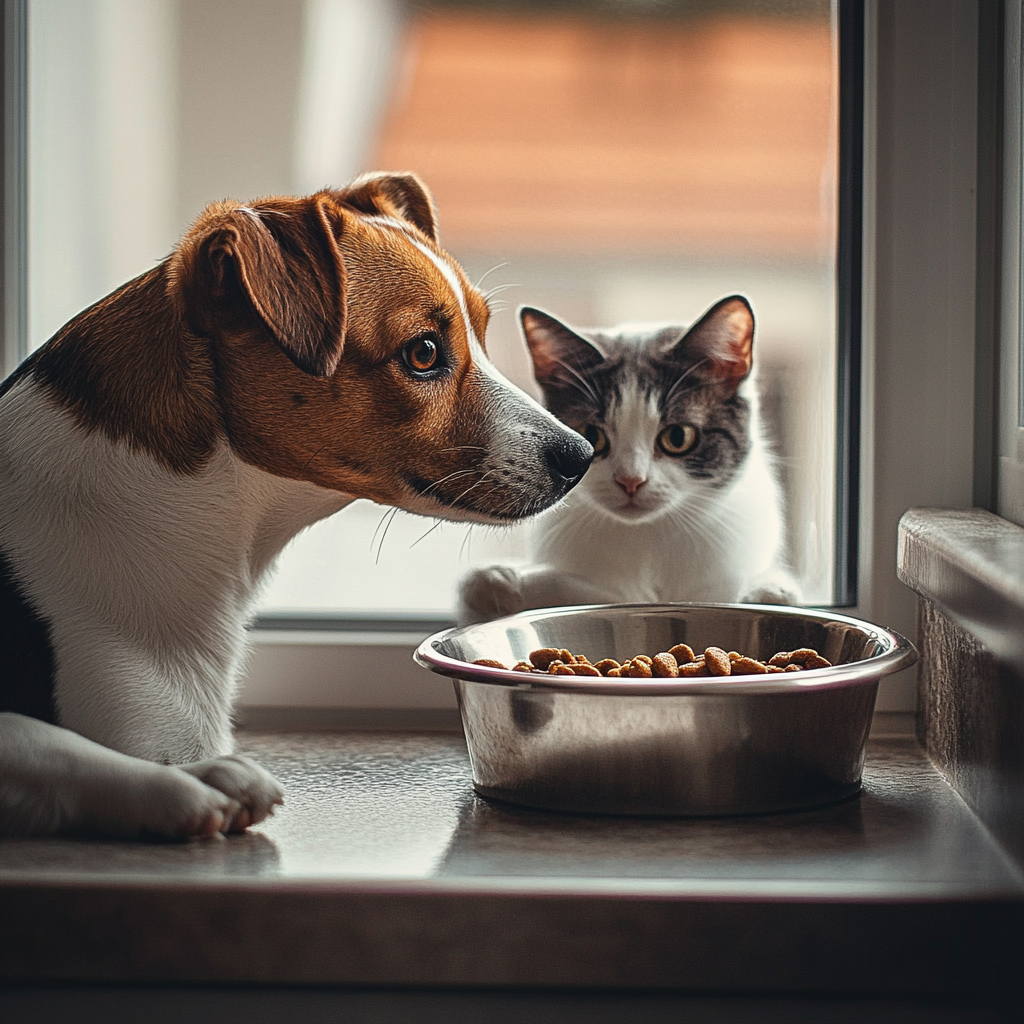
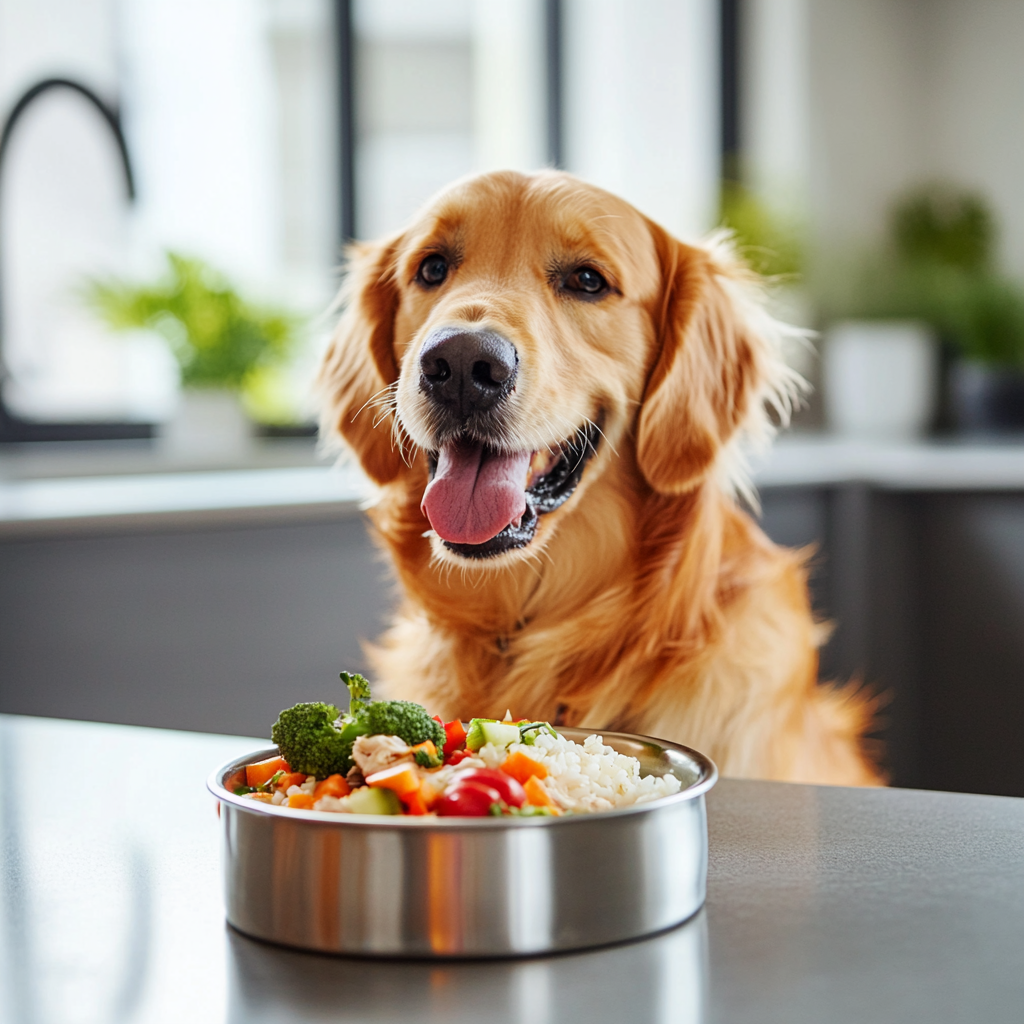
One of the simplest changes to make in your dog’s routine is altering feeding times. If you’ve been feeding your dog at the same time every day, they’ve likely become accustomed to that schedule. When adjusting feeding times, you want to take a gradual approach. Moving the time forward or backward by 15 to 30 minutes each day will give your dog time to adjust without feeling too hungry or anxious.
Why Gradual Changes Work
Dogs are creatures of habit, and drastic changes can confuse them or cause stress. By introducing small, gradual adjustments, your dog will feel more comfortable with the changes. Over a few days, your dog will adapt to the new feeding time, making the transition smooth and stress-free.
Tip #2: Introduce New Activities Slowly
If you’re adding new activities to your dog’s routine, such as training sessions, socialization with other dogs, or enrichment activities like puzzle toys, it’s essential to introduce these activities slowly. Too much change all at once can overwhelm your dog, leading to stress or disinterest.
How to Integrate New Activities
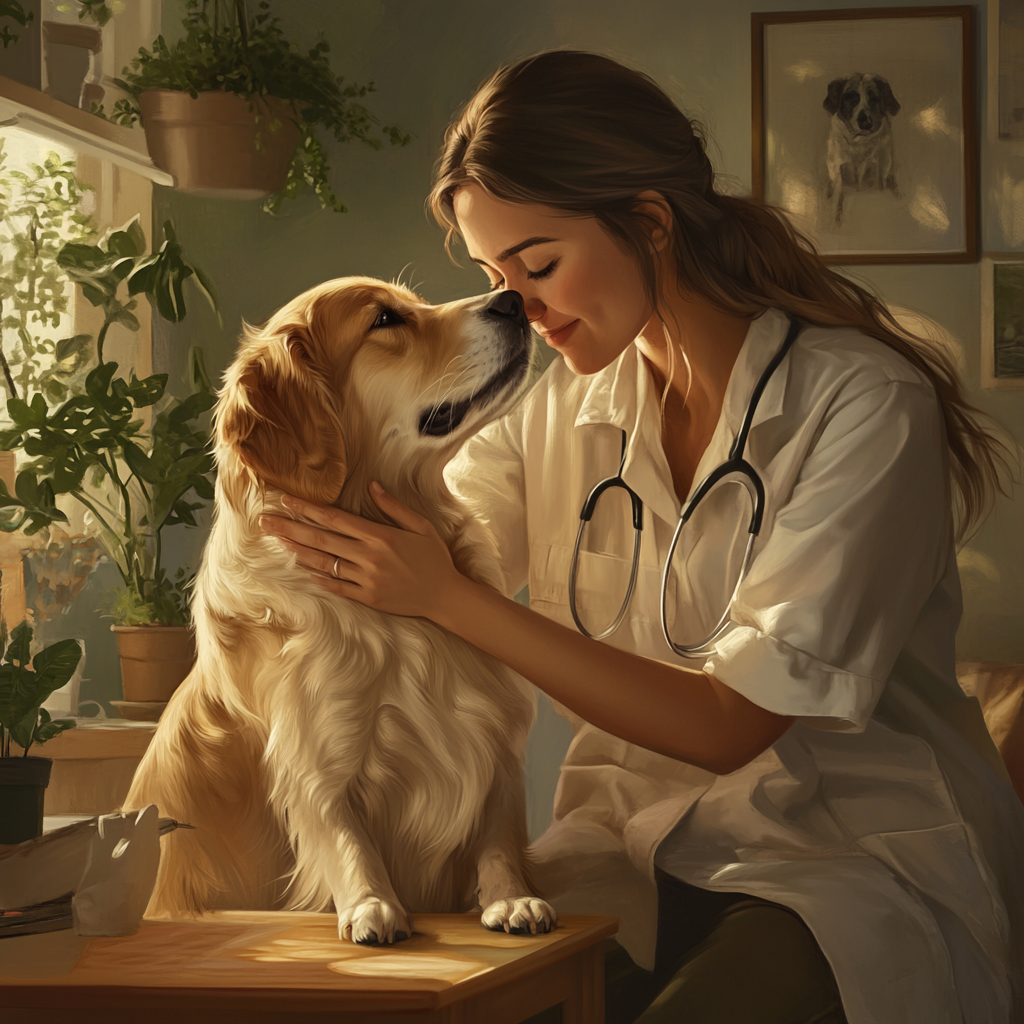
Start by introducing one new activity at a time and keep it short and enjoyable. For example, if you’re starting training, begin with just 5-10 minutes per session. Gradually increase the duration and difficulty level as your dog becomes more comfortable. Over time, your dog will adapt and look forward to these new activities.
Tip #3: Change Walk Times Gradually
If you’re changing your dog’s walk times due to a shift in your schedule or to adjust for daylight savings, make sure to do it gradually. Dogs thrive on routine, and changing their walk times abruptly can lead to confusion. A gradual shift in timing helps your dog adjust to the new routine without feeling anxious.
How to Shift Walk Times
If you want to change the timing of your dog’s walks, try doing so in small increments. Move their walk time by 15 minutes per day until you reach the desired time. This allows your dog’s internal clock to adjust without much disruption.
Tip #4: Be Consistent with New Routines
Once you’ve made adjustments to your dog’s routine, consistency is key. Dogs need stability to feel secure. While changes are necessary from time to time, being consistent with their new schedule will help them settle into the new routine.
How to Keep Consistency
Set specific times for feeding, walks, playtime, and rest. This allows your dog to know what to expect, even in the midst of changes. Dogs feel safer when they can predict what will happen next, so maintaining a routine after changes will help them adapt smoothly.
Tip #5: Observe Your Dog’s Response
It’s crucial to monitor your dog’s behavior and responses when changing their routine. Some dogs may adjust quickly, while others may need more time. Watch for signs of stress, such as excessive panting, pacing, or changes in appetite, and adjust your approach if necessary.
How to Monitor Your Dog’s Well-being
If you notice signs of distress, slow down the pace of change. On the other hand, if your dog seems to enjoy the changes, you can continue adjusting their routine accordingly. Every dog is unique, so be mindful of how your pet is reacting and adjust your strategies as needed.
Conclusion
Changing your dog’s routine doesn’t have to be complicated or stressful. By following these 5 tips to easily change your dog’s routine, you can make the transition smoother for your furry friend. Remember to make changes gradually, maintain consistency, and always observe your dog’s responses to ensure their well-being. Whether it’s feeding time, walk schedules, or new activities, small adjustments can have a big impact on your dog’s happiness and health.
4 Signs & Symptoms of Cancer in Dogs: What Every Pet Owner Should Know
Learn about 4 signs & symptoms of cancer in dogs. Early detection can make a significant difference in your pet’s health. Find out how to identify cancer in your dog and what to do next.
4 Signs & Symptoms of Cancer in Dogs: What Every Pet Owner Should Know
Table of Contents
- Introduction: Understanding Cancer in Dogs
- What is Cancer in Dogs?
- The 4 Signs & Symptoms of Cancer in Dogs
- Sign #1: Unexplained Lumps or Bumps
- Sign #2: Sudden Weight Loss
- Sign #3: Changes in Appetite or Drinking Habits
- Sign #4: Persistent Coughing or Difficulty Breathing
- How to Respond if You Spot Signs of Cancer in Your Dog
- Diagnosis and Treatment Options
- Conclusion: The Importance of Early Detection in Cancer in Dogs
- For More Pet-Related Articles and Resources
Introduction: Understanding Cancer in Dogs
Cancer in dogs is a serious concern that every pet owner should be aware of. Early detection of cancer can improve the chances of successful treatment and a better quality of life for your furry friend. Knowing the signs & symptoms of cancer in dogs is key to recognizing the disease as early as possible. This post will guide you through the most common signs and symptoms, so you can help your dog get the care they need when it matters most.
What is Cancer in Dogs?
Cancer is a general term used for diseases that involve abnormal cell growth. In dogs, these cells can form tumors or spread to other parts of the body. Just like in humans, cancer in dogs can be quite diverse. It may affect any organ or tissue, including bones, lymph nodes, and organs like the liver, lungs, and skin. Common types of cancer in dogs include lymphoma, mast cell tumors, osteosarcoma, and mammary cancer.
Recognizing the signs & symptoms of cancer in dogs early on can greatly improve the chances of survival, as early intervention may lead to more effective treatments.
The 4 Signs & Symptoms of Cancer in Dogs
Sign #1: Unexplained Lumps or Bumps
One of the most noticeable signs & symptoms of cancer in dogs is the appearance of unexplained lumps or bumps on the skin or under the fur. Tumors may feel firm or soft, and they can vary in size. Not all lumps are cancerous, but any new lump or growth that appears suddenly or changes in size should be checked by a veterinarian. Common types of lumps associated with cancer include lipomas, mast cell tumors, and sarcomas.
What to Do:
If you notice any lumps or bumps on your dog, schedule an appointment with your vet. A fine needle aspiration or biopsy may be required to determine whether the lump is benign or cancerous.
Sign #2: Sudden Weight Loss
Unexpected weight loss is another important sign & symptom of cancer in dogs. If your dog is losing weight despite having a normal appetite or even eating more than usual, it could be an indication that something is wrong. Cancerous tumors can cause a decrease in appetite or alter the dog’s metabolism, leading to weight loss. Some cancers also cause internal bleeding, which can contribute to weight loss.
What to Do:
If your dog’s weight loss is noticeable or significant, take them to the vet for a thorough examination. Blood tests, x-rays, or ultrasounds may be needed to identify any underlying conditions, including cancer.
Sign #3: Changes in Appetite or Drinking Habits
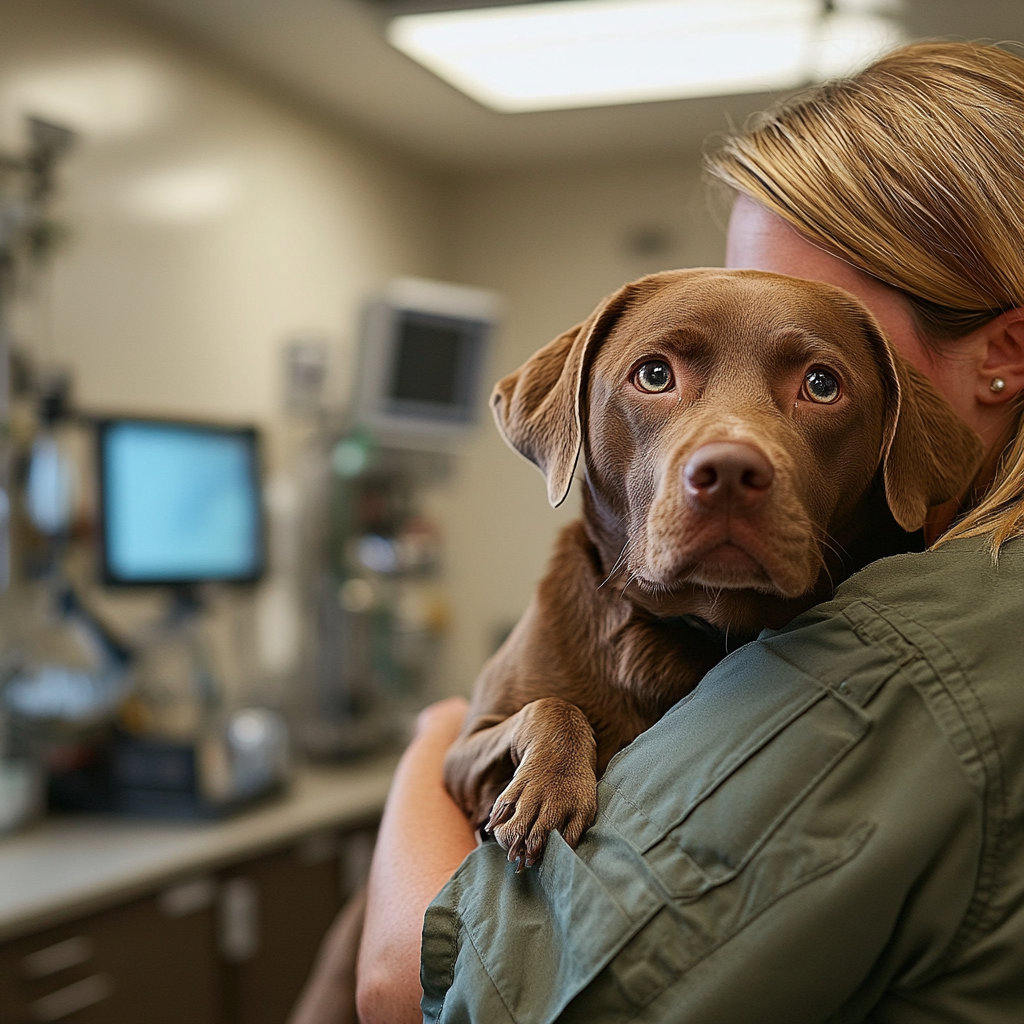
A decrease in appetite, or an increase in thirst, can be concerning signs & symptoms of cancer in dogs. Some cancers can interfere with digestion or cause nausea, leading to a loss of appetite. Similarly, certain cancers, especially those affecting the kidneys or liver, can lead to excessive thirst and urination. Both of these changes should be closely monitored.
What to Do:
Keep track of any changes in your dog’s eating and drinking habits. If the issue persists for more than a few days, consult your veterinarian. Tests may be conducted to rule out cancer or other conditions like kidney disease or diabetes.
Sign #4: Persistent Coughing or Difficulty Breathing
Persistent coughing, wheezing, or difficulty breathing can be a serious sign & symptom of cancer in dogs, especially if the dog has no history of respiratory issues. Lung cancer, or cancers that affect the chest area, can cause fluid buildup or obstructions in the airways, leading to coughing or labored breathing. Dogs with this symptom may also exhibit lethargy or weakness.
What to Do:
If your dog has a persistent cough or is struggling to breathe, it’s important to consult your vet immediately. An x-ray or CT scan may be needed to diagnose the problem and determine if cancer is the cause.
How to Respond if You Spot Signs of Cancer in Your Dog
If you notice any of the signs & symptoms of cancer in dogs, it’s essential to act quickly. Early diagnosis and treatment are crucial for improving your dog’s prognosis. The first step is to schedule an appointment with your veterinarian for a complete check-up. Your vet will perform diagnostic tests, such as blood work, imaging (x-rays, ultrasounds), or biopsy, to determine the presence of cancer.
Once cancer is diagnosed, your vet may recommend surgery, chemotherapy, radiation, or palliative care, depending on the type and stage of the cancer. Supportive care, such as pain management and dietary changes, can also improve your dog’s quality of life during treatment.
Diagnosis and Treatment Options
After detecting the signs & symptoms of cancer in dogs, the next step is diagnosis. Depending on the type of cancer suspected, diagnostic methods may vary. Your veterinarian may suggest:
- Blood tests to check for abnormal cell counts or markers.
- X-rays or ultrasounds to identify tumors or internal growths.
- CT or MRI scans for a more detailed view of internal structures.
- Biopsies to determine whether a lump or mass is malignant.
Treatment for cancer in dogs often involves a combination of surgery, chemotherapy, and/or radiation. The exact treatment plan depends on the cancer’s location, stage, and overall prognosis. In some cases, alternative therapies such as acupuncture or herbal remedies may also be used to support your dog’s health during treatment.
Conclusion: The Importance of Early Detection in Cancer in Dogs
Recognizing the signs & symptoms of cancer in dogs early on is essential for giving your pet the best possible chance at recovery. Cancer treatment has come a long way, and with timely intervention, many dogs can live comfortable, fulfilling lives even after a cancer diagnosis. Always trust your instincts as a pet owner—if you notice something unusual in your dog’s behavior, don’t hesitate to consult your vet.
Remember, early detection is key!

Be the first to comment on this article!