
Wondering if your dog can catch a cold from you? Find out in this detailed guide about pet health, viruses, and how to protect your furry friend from illnesses.
Table of Contents
- Can My Dog Catch a Cold from Me?
- How Colds Spread in Humans vs. Dogs
- Common Symptoms of Cold in Dogs
- Can Dogs Get Human Viruses?
- How to Protect Your Dog From Getting Sick
- Can I Get Sick From My Dog?
- When to Visit the Vet for Your Sick Dog
- How to Care for a Sick Dog
- Conclusion
- For More Pets-Related Articles
Can My Dog Catch a Cold from Me?
If you’ve ever wondered, Can my dog catch a cold from me? you’re not alone. Many pet owners fear that their furry friends might be at risk of catching viruses or illnesses from humans, especially when they’re feeling under the weather themselves. In this guide, we’ll explore whether your dog can catch a cold from you, what types of illnesses are contagious, and how to keep your pet safe.
While the common cold in humans is caused by a variety of viruses, it’s important to note that dogs cannot catch a cold from humans in the same way we catch it from each other. However, there are some other illnesses and viruses that can affect both humans and dogs, so it’s essential to understand the differences.
Let’s dive deeper into the question: Can my dog catch a cold from me?
How Colds Spread in Humans vs. Dogs
Human Colds vs. Dog Colds
Human colds are typically caused by viral infections like rhinoviruses, which are very different from those that affect dogs. Dogs, for example, can catch kennel cough (canine infectious tracheobronchitis), a condition that causes symptoms similar to the human cold. However, these conditions are not interchangeable. Human colds do not spread to dogs, and similarly, canine cold viruses don’t spread to humans.
Do Dogs Get the Same Symptoms as Humans?
When a dog is sick, you may notice symptoms that mimic human cold symptoms, such as coughing, sneezing, or nasal discharge. These can indicate a different illness, such as kennel cough or a canine respiratory infection. While it’s important to pay attention to these symptoms, it’s crucial to understand that the underlying causes are different for dogs and humans.
Common Symptoms of Cold in Dogs
Although dogs can’t catch a human cold, they can still experience respiratory symptoms that might seem similar. Some common symptoms of cold-like illnesses in dogs include:
- Sneezing
- Coughing
- Runny Nose or Nasal Discharge
- Fatigue
- Loss of Appetite
If your dog is displaying any of these signs, it may be a good idea to consult a vet, especially if the symptoms persist for more than a few days.
Can Dogs Get Human Viruses?
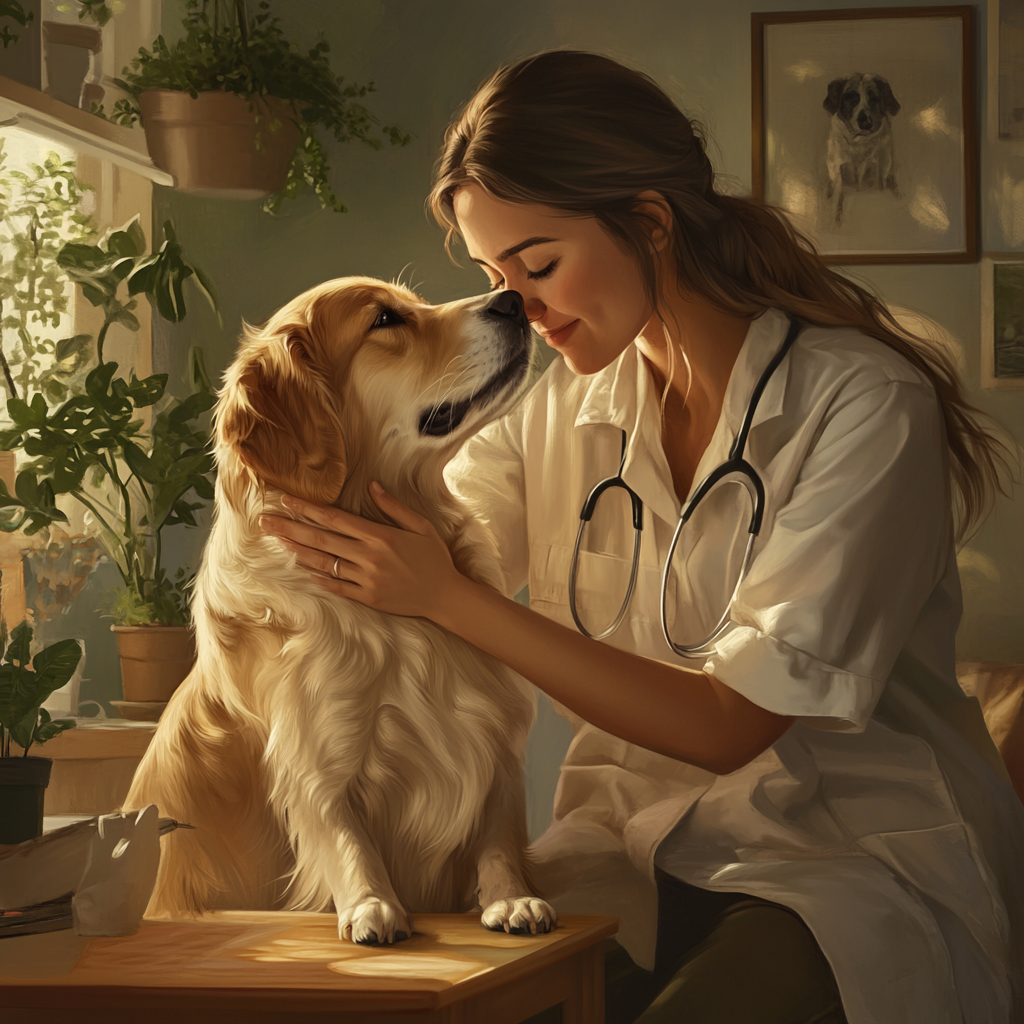
As mentioned earlier, dogs cannot catch a cold from humans. However, this doesn’t mean that dogs can’t catch viruses from people altogether. Some viruses, such as the canine influenza virus, are contagious among dogs, but they are not the same as the common cold virus that affects humans. So, while you can’t directly transmit a human cold to your dog, it’s still important to keep an eye on your pet’s health and seek veterinary care if needed.
Can Humans Catch Dog Viruses?
Although it’s not common, humans can sometimes contract diseases from animals. These types of diseases are known as zoonotic diseases. Some examples include rabies or ringworm, but these are not related to the cold viruses we encounter. For the most part, the risk of catching a virus from your dog is very low, especially when it comes to respiratory infections.
How to Protect Your Dog From Getting Sick
Even though your dog can’t catch a cold from you, there are still some ways to protect them from illnesses in general:
- Keep Your Dog Away from Sick Animals: If your dog is exposed to other sick animals, there is a higher chance they could catch a virus like kennel cough.
- Maintain a Clean Environment: Regularly clean your dog’s living area, bedding, and toys to reduce the risk of bacteria or viral transmission.
- Regular Vet Check-Ups: Ensuring your dog is up-to-date on vaccinations and has regular vet visits will help protect them from a range of illnesses.
Can I Get Sick From My Dog?
While you may be concerned about your dog catching your cold, it’s natural to wonder if the reverse is true: Can I get sick from my dog? The short answer is: it’s highly unlikely. Although there are certain diseases that can be transmitted between humans and animals (zoonotic diseases), the viruses that cause common colds are not one of them. The typical viruses responsible for colds, like rhinoviruses, are human-specific.
When to Visit the Vet for Your Sick Dog
If your dog starts showing symptoms of illness, it’s always best to err on the side of caution. Here are a few signs that it might be time to schedule a vet visit:
- If your dog’s symptoms persist for more than 3 days
- If there’s difficulty breathing, excessive coughing, or wheezing
- If your dog is lethargic and refuses to eat or drink
- If there is a change in your dog’s behavior or overall health
Always trust your instincts as a pet owner and seek professional help when needed.
How to Care for a Sick Dog
Caring for a sick dog involves providing comfort, monitoring symptoms, and ensuring they stay hydrated. Here’s what you can do:
- Limit Activity: Allow your dog to rest and recover, but don’t overexert them.
- Provide Warmth and Comfort: Keep your dog in a cozy environment, away from drafts.
- Offer Easy-to-Digest Food: If your dog is not eating, offer bland foods like boiled chicken and rice to encourage them to eat.
- Monitor Symptoms: Keep an eye on the severity of the symptoms, and take note of any changes.
Conclusion
So, can your dog catch a cold from you? The answer is no—dogs cannot catch human colds. However, both humans and dogs can suffer from respiratory illnesses that share some similar symptoms. By taking precautions and maintaining a clean environment, you can ensure that your dog stays healthy and protected.
4 Signs & Symptoms of Cancer in Dogs: What Every Pet Owner Should Know
Learn about 4 signs & symptoms of cancer in dogs. Early detection can make a significant difference in your pet’s health. Find out how to identify cancer in your dog and what to do next.
4 Signs & Symptoms of Cancer in Dogs: What Every Pet Owner Should Know
Table of Contents
- Introduction: Understanding Cancer in Dogs
- What is Cancer in Dogs?
- The 4 Signs & Symptoms of Cancer in Dogs
- Sign #1: Unexplained Lumps or Bumps
- Sign #2: Sudden Weight Loss
- Sign #3: Changes in Appetite or Drinking Habits
- Sign #4: Persistent Coughing or Difficulty Breathing
- How to Respond if You Spot Signs of Cancer in Your Dog
- Diagnosis and Treatment Options
- Conclusion: The Importance of Early Detection in Cancer in Dogs
- For More Pet-Related Articles and Resources
Introduction: Understanding Cancer in Dogs
Cancer in dogs is a serious concern that every pet owner should be aware of. Early detection of cancer can improve the chances of successful treatment and a better quality of life for your furry friend. Knowing the signs & symptoms of cancer in dogs is key to recognizing the disease as early as possible. This post will guide you through the most common signs and symptoms, so you can help your dog get the care they need when it matters most.
What is Cancer in Dogs?
Cancer is a general term used for diseases that involve abnormal cell growth. In dogs, these cells can form tumors or spread to other parts of the body. Just like in humans, cancer in dogs can be quite diverse. It may affect any organ or tissue, including bones, lymph nodes, and organs like the liver, lungs, and skin. Common types of cancer in dogs include lymphoma, mast cell tumors, osteosarcoma, and mammary cancer.
Recognizing the signs & symptoms of cancer in dogs early on can greatly improve the chances of survival, as early intervention may lead to more effective treatments.
The 4 Signs & Symptoms of Cancer in Dogs
Sign #1: Unexplained Lumps or Bumps
One of the most noticeable signs & symptoms of cancer in dogs is the appearance of unexplained lumps or bumps on the skin or under the fur. Tumors may feel firm or soft, and they can vary in size. Not all lumps are cancerous, but any new lump or growth that appears suddenly or changes in size should be checked by a veterinarian. Common types of lumps associated with cancer include lipomas, mast cell tumors, and sarcomas.
What to Do:
If you notice any lumps or bumps on your dog, schedule an appointment with your vet. A fine needle aspiration or biopsy may be required to determine whether the lump is benign or cancerous.
Sign #2: Sudden Weight Loss
Unexpected weight loss is another important sign & symptom of cancer in dogs. If your dog is losing weight despite having a normal appetite or even eating more than usual, it could be an indication that something is wrong. Cancerous tumors can cause a decrease in appetite or alter the dog’s metabolism, leading to weight loss. Some cancers also cause internal bleeding, which can contribute to weight loss.
What to Do:
If your dog’s weight loss is noticeable or significant, take them to the vet for a thorough examination. Blood tests, x-rays, or ultrasounds may be needed to identify any underlying conditions, including cancer.
Sign #3: Changes in Appetite or Drinking Habits

A decrease in appetite, or an increase in thirst, can be concerning signs & symptoms of cancer in dogs. Some cancers can interfere with digestion or cause nausea, leading to a loss of appetite. Similarly, certain cancers, especially those affecting the kidneys or liver, can lead to excessive thirst and urination. Both of these changes should be closely monitored.
What to Do:
Keep track of any changes in your dog’s eating and drinking habits. If the issue persists for more than a few days, consult your veterinarian. Tests may be conducted to rule out cancer or other conditions like kidney disease or diabetes.
Sign #4: Persistent Coughing or Difficulty Breathing
Persistent coughing, wheezing, or difficulty breathing can be a serious sign & symptom of cancer in dogs, especially if the dog has no history of respiratory issues. Lung cancer, or cancers that affect the chest area, can cause fluid buildup or obstructions in the airways, leading to coughing or labored breathing. Dogs with this symptom may also exhibit lethargy or weakness.
What to Do:
If your dog has a persistent cough or is struggling to breathe, it’s important to consult your vet immediately. An x-ray or CT scan may be needed to diagnose the problem and determine if cancer is the cause.
How to Respond if You Spot Signs of Cancer in Your Dog
If you notice any of the signs & symptoms of cancer in dogs, it’s essential to act quickly. Early diagnosis and treatment are crucial for improving your dog’s prognosis. The first step is to schedule an appointment with your veterinarian for a complete check-up. Your vet will perform diagnostic tests, such as blood work, imaging (x-rays, ultrasounds), or biopsy, to determine the presence of cancer.
Once cancer is diagnosed, your vet may recommend surgery, chemotherapy, radiation, or palliative care, depending on the type and stage of the cancer. Supportive care, such as pain management and dietary changes, can also improve your dog’s quality of life during treatment.
Diagnosis and Treatment Options
After detecting the signs & symptoms of cancer in dogs, the next step is diagnosis. Depending on the type of cancer suspected, diagnostic methods may vary. Your veterinarian may suggest:
- Blood tests to check for abnormal cell counts or markers.
- X-rays or ultrasounds to identify tumors or internal growths.
- CT or MRI scans for a more detailed view of internal structures.
- Biopsies to determine whether a lump or mass is malignant.
Treatment for cancer in dogs often involves a combination of surgery, chemotherapy, and/or radiation. The exact treatment plan depends on the cancer’s location, stage, and overall prognosis. In some cases, alternative therapies such as acupuncture or herbal remedies may also be used to support your dog’s health during treatment.
Conclusion: The Importance of Early Detection in Cancer in Dogs
Recognizing the signs & symptoms of cancer in dogs early on is essential for giving your pet the best possible chance at recovery. Cancer treatment has come a long way, and with timely intervention, many dogs can live comfortable, fulfilling lives even after a cancer diagnosis. Always trust your instincts as a pet owner—if you notice something unusual in your dog’s behavior, don’t hesitate to consult your vet.
Remember, early detection is key!






Be the first to comment on this article!